In Greece, the problem of hard water is particularly severe in many regions, from Attica and the Peloponnese to the Cyclades islands. As heating technicians, we face clogged boiler coils, damaged washing machine elements, and reduced efficiency in heating networks every day—all caused by limescale. Water softening is not a luxury, but an investment in the longevity of your installations.
What is water hardness and how does it affect the home?
Water hardness refers to the concentration of dissolved minerals, primarily calcium and magnesium. In technical terms, we measure hardness in French degrees (°fH) or German degrees (°dH). In Greece, water above 15-20°fH is considered hard, while in many areas it exceeds 30-40°fH.
When hard water is heated, these minerals solidify and form deposits (scale). This leads to:
- Reduced energy efficiency: Just 1 millimeter of limescale on a water heater element can increase electricity consumption by 10-15%.
- Appliance damage: Washing machines, coffee makers, and gas boilers wear out prematurely.
- Pipe problems: Reduction in the cross-section of pipes and a drop in pressure.
- Aesthetic issues: White spots on faucets, tiles, and glasses.
When do you really need a softener?
Before proceeding with a purchase, the first step is measurement. You can obtain a simple chemical analysis kit (drops) or request a water analysis from your local water utility. If the hardness exceeds 20°fH, installing a central softener is deemed necessary.
Signs you shouldn't ignore:
- You need large amounts of detergent to create lather.
- Clothes come out feeling stiff from the washing machine.
- Faucets and showerheads clog frequently.
- The boiler makes noise (as if "boiling" rocks) during operation.
Types of softeners: How to choose
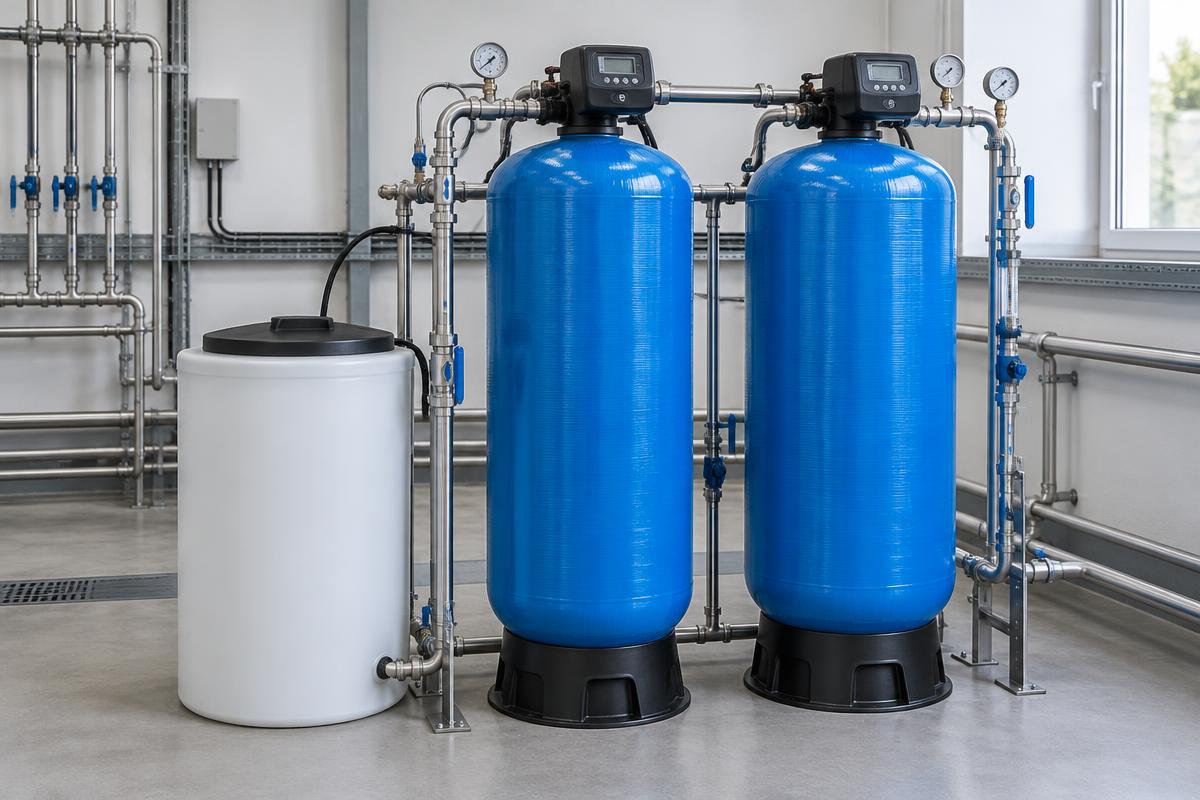
The most common and reliable method for home use is the ion-exchange resin softener. This device replaces calcium and magnesium ions with sodium (salt) ions.
1. Timed vs. Metered Softeners
Timed softeners perform resin regeneration on predetermined days. Metered softeners, which are our recommendation, measure water consumption and regenerate only when the resin is saturated. They are more economical in terms of water and salt consumption.
2. Size and Flow Rate
The choice depends on the number of residents and the input hardness. For a family of 4 with average hardness, a softener with 15 to 25 liters of resin is usually sufficient. An incorrect choice (too small) will lead to frequent regenerations, while one that is too large may cause stagnant water and bacterial growth.
Technical Installation and Maintenance
The installation must be performed by a licensed plumber on the main water supply of the house, after the meter and before any branching toward the boiler or water heater.
Essential installation components:
- Sediment filter: A particulate filter (e.g., 25 micron) must always be placed before the softener to protect the head from sand and debris.
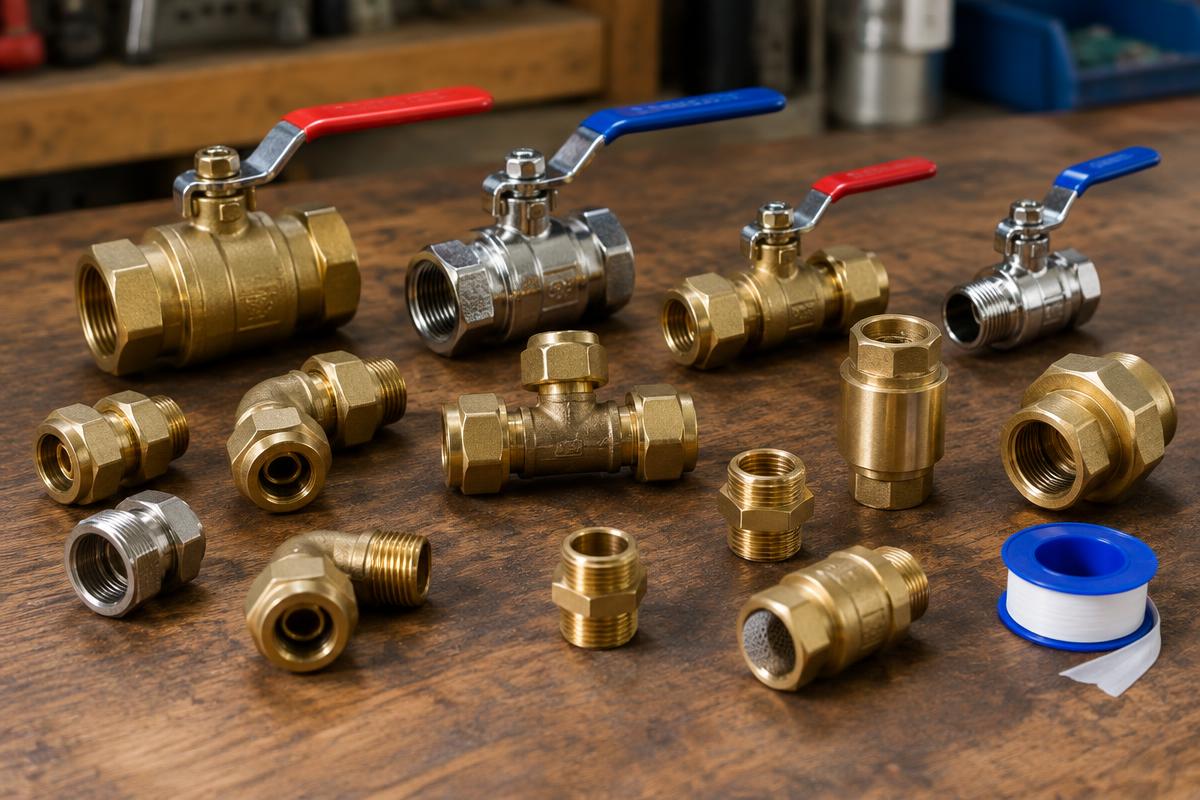
- By-pass: A valve arrangement that allows the device to be isolated for maintenance without interrupting the home's water supply.
- Drainage: A nearby drainage connection is required to discharge the minerals during regeneration.
Maintenance includes regular checks of the special salt level (in tablets) in the brine tank and annual cleaning of the resin with specialized cleaners to prevent iron deposits.
Frequently Asked Questions (FAQ)
Is softened water drinkable?
The water remains drinkable, but it contains slightly increased sodium. Individuals with hypertension or on low-sodium diets should consult a doctor or use a reverse osmosis system for kitchen water.
How much does it cost to operate?
The cost mainly concerns salt (about 10-15€ per 25kg bag) and the water consumption during regeneration. For an average family, the cost is approximately 5-10€ per month.
Will the softener damage my pipes?
No, if adjusted correctly. You should not zero out the hardness (0°fH), as very "soft" water can become corrosive. The ideal setting for household networks is between 7°fH and 12°fH.
Conclusion
Water softening is the premier protection solution for the modern home, especially if you have invested in expensive heating equipment (heat pumps, condensing boilers). Choosing the right metered device and professional installation ensures that you will recoup the purchase cost in less than 3 years, simply from energy and detergent savings.