How a water softener works and what it actually removes
White spots on the tap, crust in the kettle, and deposits on heating elements are primarily linked to water hardness: its calcium and magnesium content. An ion-exchange water softener reduces these elements to limit scale formation in plumbing and household equipment.
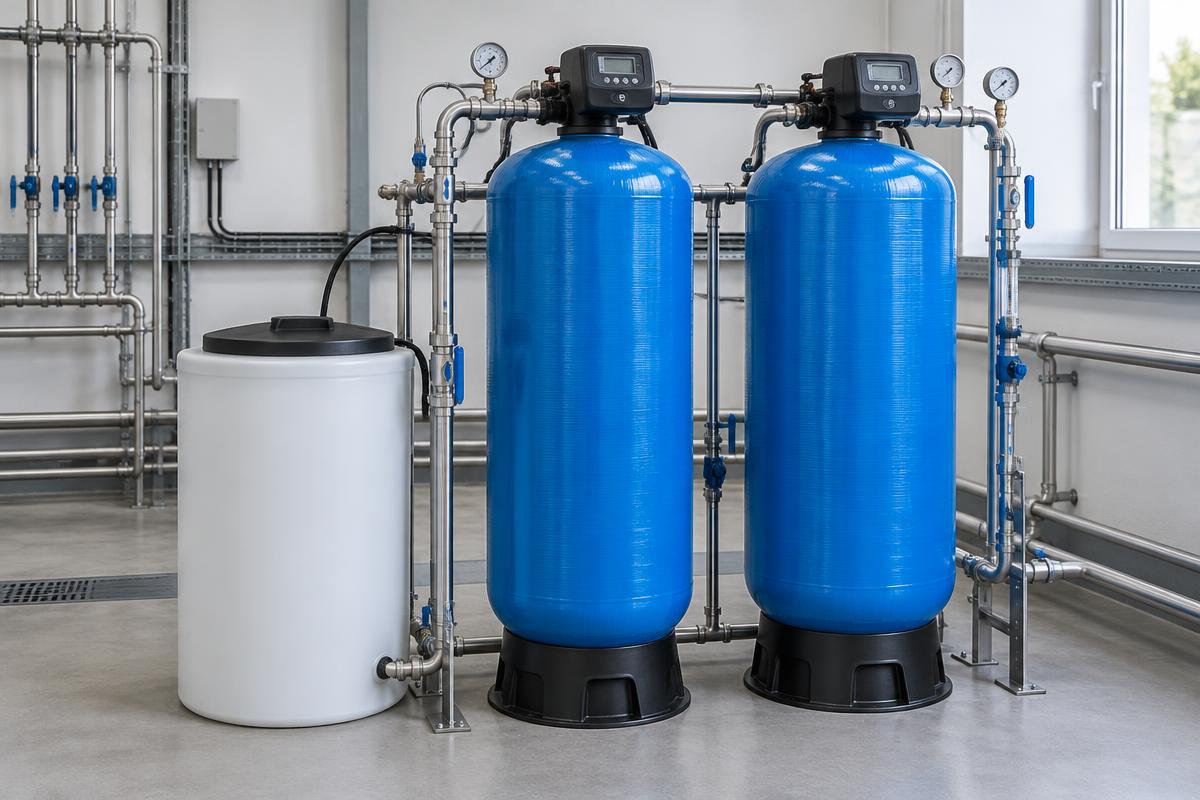
In standard residential softeners, water passes through a special resin. The resin traps calcium and magnesium ions and releases sodium ions in their place. When its available capacity is depleted, it is regenerated with brine from the salt tank. This is followed by a rinse, and the regeneration water is sent to the drain.
Softening is not disinfection or complete purification. A typical softener is not designed to remove bacteria, nitrates, chlorine, or every undesirable substance. It also does not produce deionized water; it mainly changes the type of dissolved ions. Therefore, a simple conductivity or TDS reading does not prove it is working correctly; a hardness measurement before and after treatment is necessary.
What changes in taste and the water we drink
The taste can change, but not necessarily for better or worse. Some perceive softened water as milder or less "metallic," while others prefer the taste of the original water. The impression depends on the initial hardness, total composition, chlorine, and personal habits.
Regeneration salt should not pass as brine into the supply water when the device is operating and rinsing correctly. However, ion exchange increases sodium. As an indication, for every 1 mg/L of hardness as calcium carbonate removed, approximately 0.46 mg/L of sodium is added. If 20 French degrees of hardness are removed, i.e., 200 mg/L as CaCO3, the increase is approximately 92 mg/L of sodium, in addition to what was already present.
This is why suitability for drinking is not judged by taste alone. Data on the source water and the device settings are required. Those on a sodium-restricted diet should discuss this choice with their doctor. Softened water is not automatically considered suitable for preparing infant formula; follow the instructions of your pediatrician and the product manufacturer.
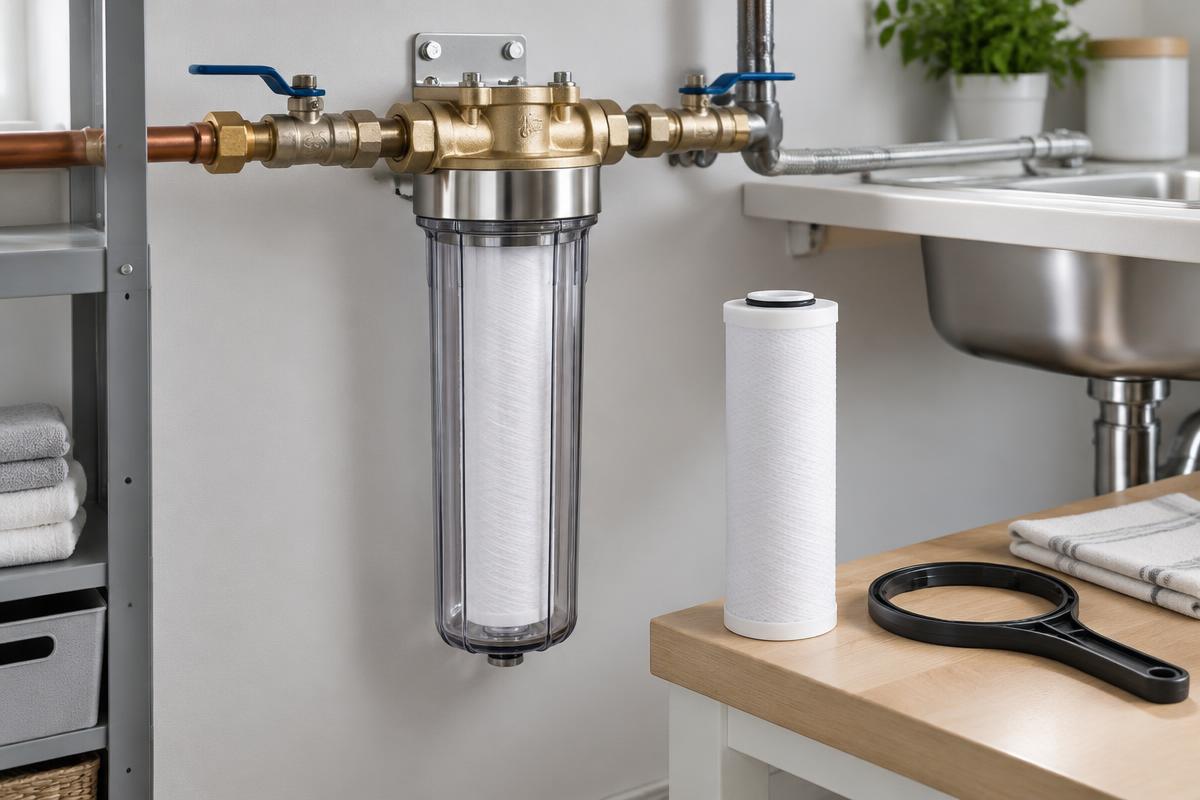
A practical solution is a separate supply of unsoftened drinking water in the kitchen, provided the source water is suitable. An activated carbon filter can improve taste and odor from chlorine but does not essentially remove sodium. If a reduction is required, consider a suitable reverse osmosis system with proper maintenance. A strongly salty taste, especially after regeneration, requires technical inspection and is not considered normal.
How water heaters, washing machines, and small appliances are affected
The most significant benefit usually appears where water is heated. Deposits can create an insulating layer on heat transfer surfaces, restrict flow, and increase cleaning needs. Proper softening reduces the formation of new scale, without this guaranteeing a specific percentage of savings or replacing maintenance.
- Water heater and hot water production: new deposits on heating elements and heat exchangers are limited. Checking the anode, where present, and performing work specified by the manufacturer remain necessary.
- Washing machine: the detergent dose should be adjusted to the lower hardness. Excessive amounts can cause more foam and make rinsing more difficult.
- Dishwasher: the built-in softener is adjusted according to the hardness of the water now reaching the appliance. The use of salt and related settings should follow the manual.
- Kettle and coffee maker: usually show fewer deposits, but the taste of the beverage may change. Coffee makers need water within the manufacturer's hardness and alkalinity specifications.
- Faucets and showerheads: they are cleaned more easily of carbonate scale. However, marks from other dissolved components or soap residue may remain.
The softener does not directly remove old scale from installations and appliances. If serious scaling already exists, evaluation and potentially appropriate cleaning are required. Furthermore, the needs of a closed heating circuit are different: filling it must follow equipment specifications and is not automatically covered by residential softening.
What we notice in the bathroom, laundry, and cleaning
With softer water, fewer insoluble residues form from the reaction of soap with calcium and magnesium. This can reduce cloudiness on shower cabins and sinks and make cleaning easier. However, it does not mean that cleaning agents are eliminated or that every stain is due to hardness.
In the bathroom, many describe a more "slippery" feeling on the skin. This in itself does not prove that soap has been left behind. Start with a smaller amount of soap or shampoo and adjust gradually. Softening is not a cure for skin conditions and should not be presented as such.
For laundry and dishes, the practical change is mainly the correct dosage. Follow the detergent's instructions for soft water and monitor the result. More product does not mean better cleaning, while overdosing increases costs and residue.
Correct selection, installation, and maintenance
Selection starts with measuring hardness and recording consumption, not just by the number of occupants. Simultaneous flow, pressure loss, and resin capacity between regenerations need to be calculated. For a borehole or water of unknown quality, an appropriate analysis is a prerequisite, as iron, manganese, and other factors may require separate treatment.
The goal is not necessarily zero hardness throughout the house. The final setting, with blending where applicable, is determined based on water composition, installation materials, and device requirements. Corrosion depends on more factors than hardness, such as pH and alkalinity.
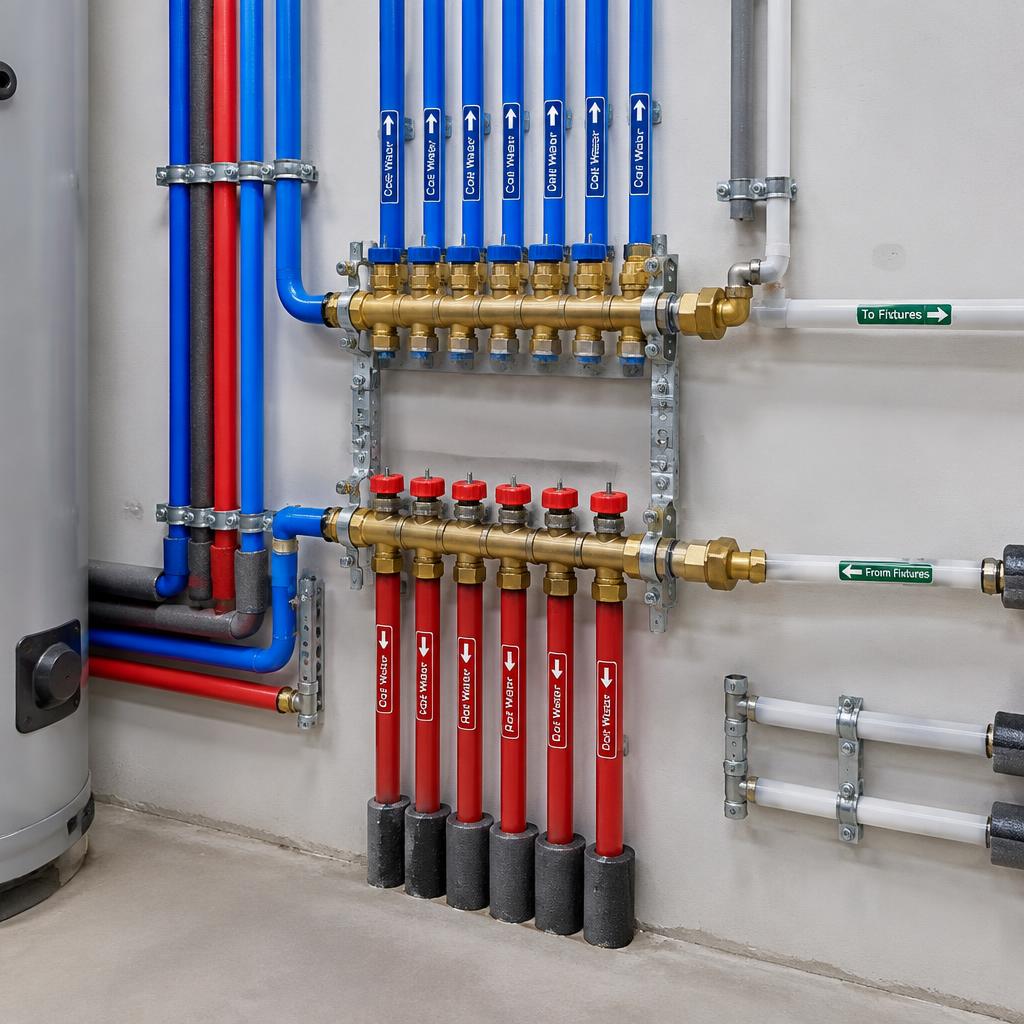
- Provide a bypass for isolation and maintenance without a complete water supply interruption.
- Ensure proper regeneration drainage, backflow prevention, and safe overflow.
- Use salt suitable for softeners and check for clumping in the tank.
- Periodically measure output hardness and adhere to the cleaning and sanitary maintenance schedule.
Operating costs include salt, regeneration water, and maintenance. Regeneration based on actual consumption can reduce unnecessary cycles, provided the equipment has been sized and adjusted correctly.
Frequently asked questions
Is softened water always drinkable?
Not automatically. Softening does not make unsuitable water safe. Proper source water, correct maintenance, and an evaluation of the final composition, especially sodium, are required.
Will I stop descaling completely?
Usually, the need is reduced, but it is not necessarily eliminated. Residual hardness, usage, and appliance instructions play a role. Old deposits may require separate cleaning.
Is softened water needed in the garden?
Usually, a separate supply without softening is preferred for watering. The added sodium can burden plants and soil, while increasing the consumption of regeneration salt unnecessarily.
How do I check if the softener is working correctly?
Using a hardness test kit at the inlet and outlet, according to the target setting. Taste, foam, and TDS readings are not sufficient as a reliable check for softening.