Introduction to Water Valve Technology
In any plumbing system, whether it is an old detached house or a modern apartment, valves and fittings act as the "guardians" of the network. Choosing them correctly ensures not only seamless water flow but also protects the building from leaks, water hammer, and costly damage. As technicians, we often see failures caused by poor material quality or the wrong choice of valve type for a specific application.
In the guide that follows, we will analyze the main types of valves, construction materials, and the critical points that every homeowner and professional should pay attention to for a safe and functional water supply network.
Types of Valves and Their Use in the Network
Ball Valves
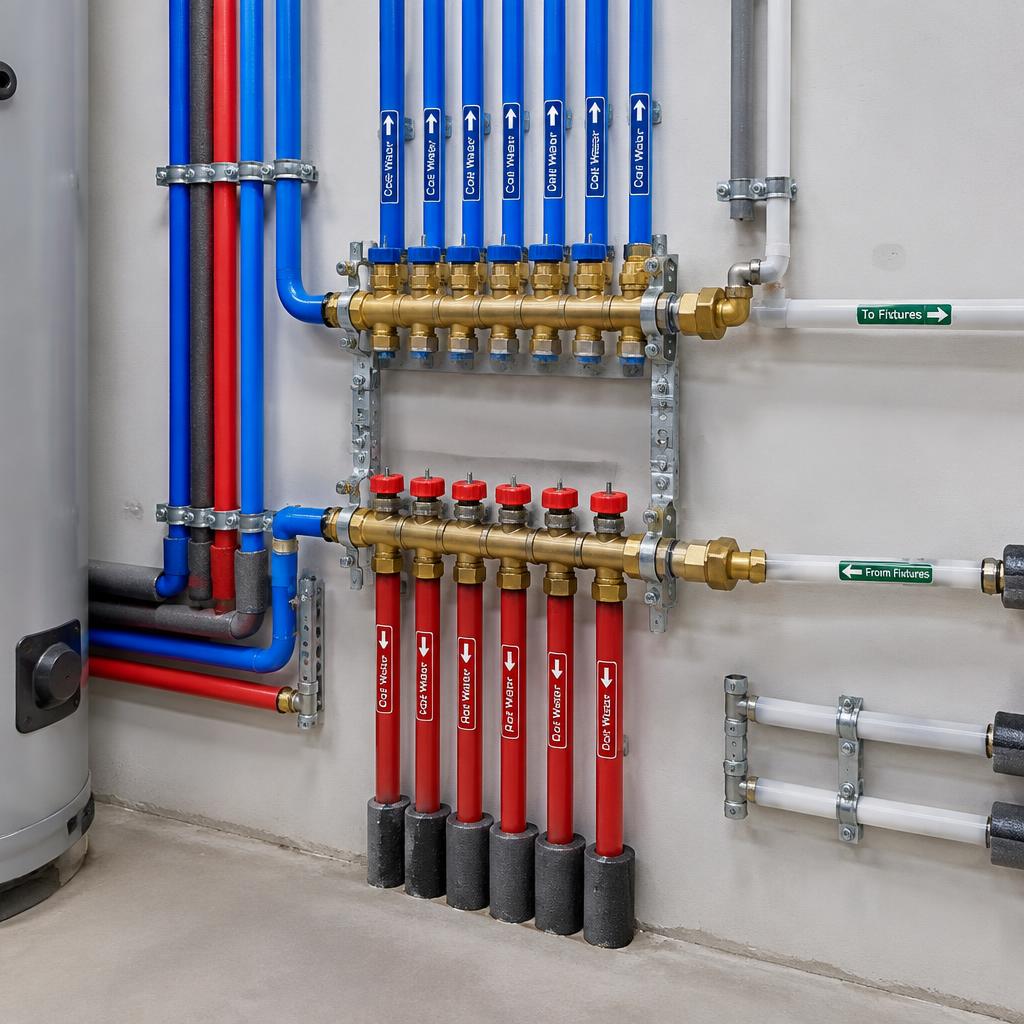
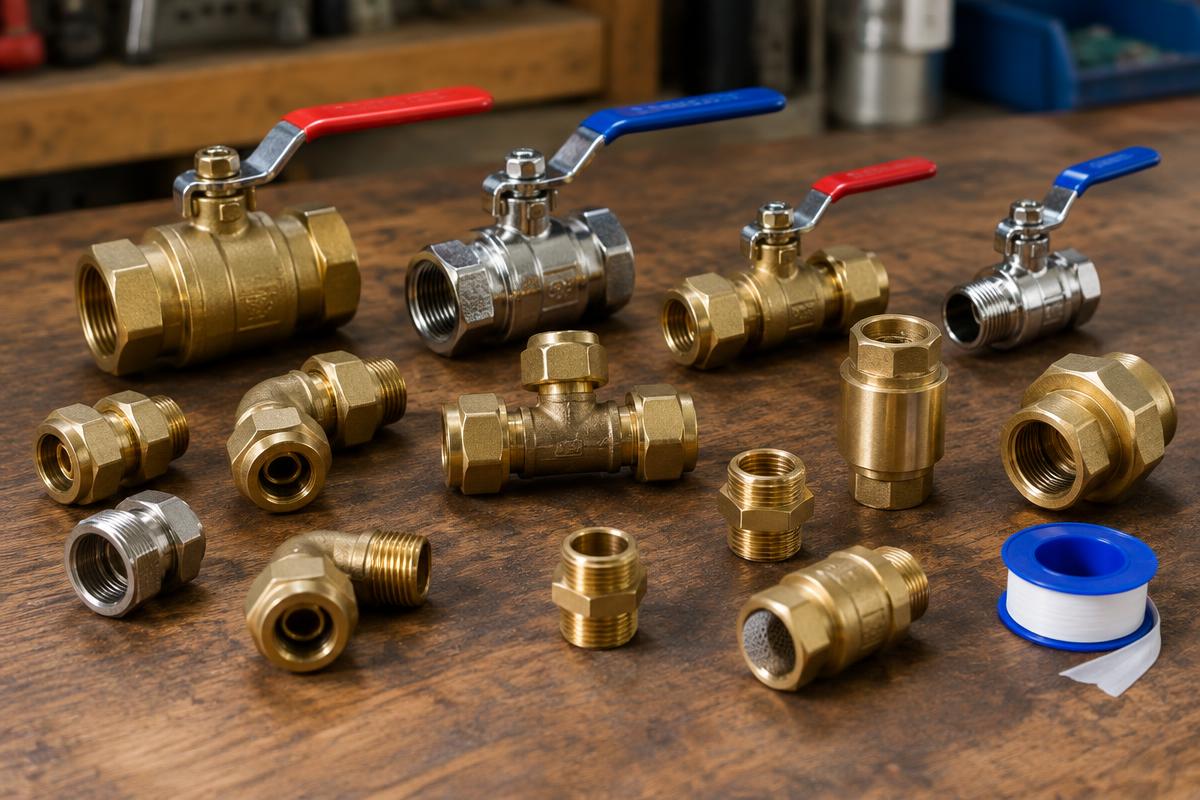
These are the most common type of valve in modern installations. They operate with a rotating ball with a hole in the center. They are ideal for complete isolation of network segments (on/off) but not for flow regulation.
- Advantages: Quick shut-off (1/4 turn), minimal pressure drop, high long-term durability.
- Where they are used: At the main supply, before manifolds, and on autonomy branches.
Gate Valves
These are mainly found in older networks or in central columns of apartment buildings. Sealing is achieved with a metal "gate" that moves up and down. Although reliable, they require many turns to close and are prone to limescale build-up if left static for years.
Angle Valves
These are the small valves located under the washbasin, sink, or next to the toilet flush tank. Their quality is critical, as these are the points we open and close most frequently in the event of a faucet failure.
Construction Materials: What to Choose
The quality of the metal determines the service life of the component. The following dominate the market:
- Brass: The standard material. Look for certified brass (e.g., CW617N) that is resistant to dezincification.
- Chrome-plated Brass: Used mainly in visible areas for aesthetic reasons and protection against oxidation.
- Stainless Steel: The premium choice for networks with high water acidity or coastal areas, though with a significantly higher cost.
Technical Tip: Avoid at all costs components made of unknown alloys (zamak), which "corrode" quickly and break under the slightest pressure during tightening.
Critical Components for Network Protection
Pressure Reducers
In many areas, the municipal network pressure exceeds 6-8 bar, especially at night. This strains pipes and appliances. A pressure reducer set at 3.5 - 4 bar is essential after the water meter.
Check Valves
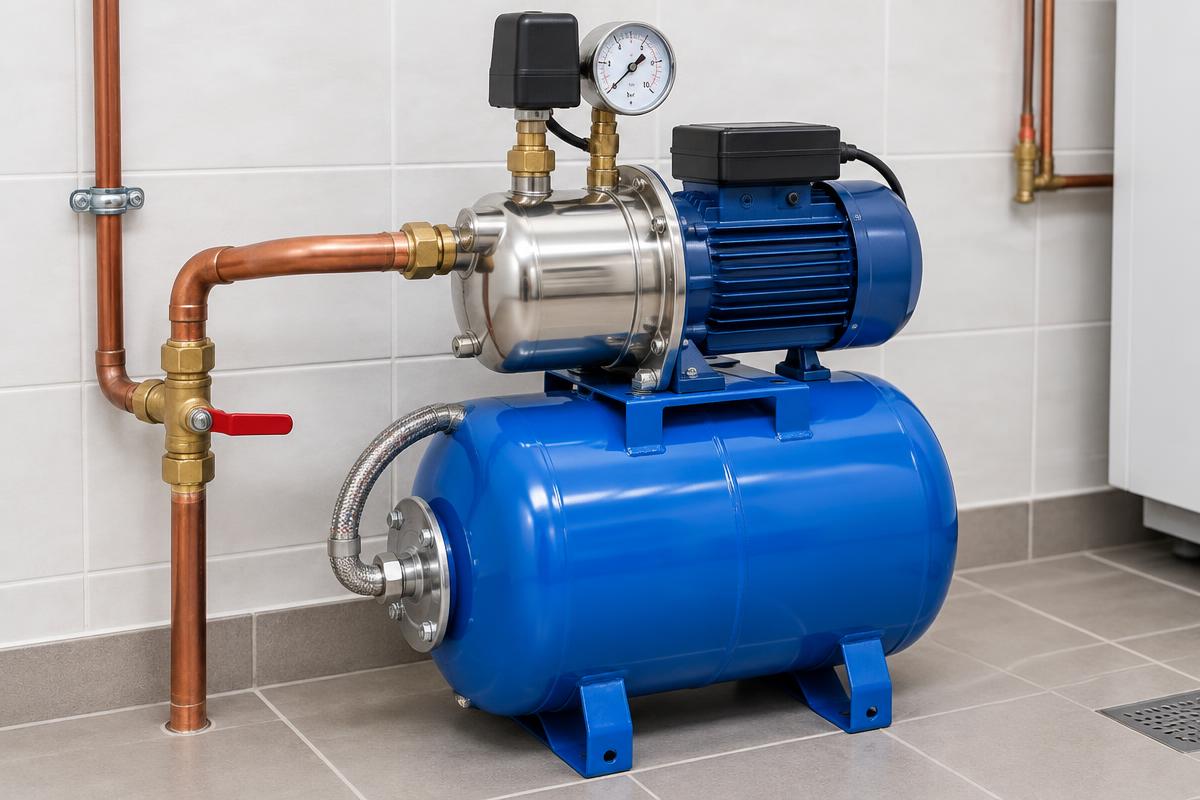
They allow water flow in one direction only. They are mandatory after the meter to prevent water from returning from the internal installation to the public network, and are necessary in systems with booster sets or solar water heaters.
Main Supply Filters
Before any valve, a particle filter (Y-type or washable) protects the valve seats from sand and small stones carried by the network, extending the life of the entire installation.
Installation and Maintenance Instructions
Installing a valve requires not just force, but technique. Follow these steps:
- Flow Direction: Many valves (especially check valves and reducers) have an arrow indicating the correct direction of water.
- Sealing: Use hemp with special paste or high-density Teflon (PTFE) tape. Do not over-apply, as it may crack the female thread.
- Accessibility: Never "bury" valves behind tiles or drywall without an access panel.
- Periodic Operation: The biggest problem with valves is limescale. Once every six months, open and close all the valves in the house so they do not get "stuck" from build-up.
Frequently Asked Questions (FAQ)
1. Why is my valve leaking from the stem (the handle)?
It is usually due to wear of the packing seal (gland). In many quality valves, there is a nut under the handle that you can tighten slightly to stop the leak.
2. What is the difference between full and reduced bore?
In full bore valves, the ball opening is the same as the pipe diameter, so there is no pressure drop. We always prefer them for water supply.
3. How often should I change the angle valves under the sink?
If they are good quality, they last 10-15 years. However, if you notice rust or if they do not close completely, they should be replaced immediately to avoid surprises in the event of a leak.
4. Is a pressure gauge necessary on the pressure reducer?
Yes, it is the only way to know if the reducer is working correctly or if its diaphragm has ruptured and needs replacement.
Conclusion
The choice of water valves and fittings is not the place to economize. The cost difference between an unbranded component and a branded, certified product is small, but the difference in safety is huge. Invest in heavy-duty brass components and do not neglect their maintenance, so you can have peace of mind for decades.