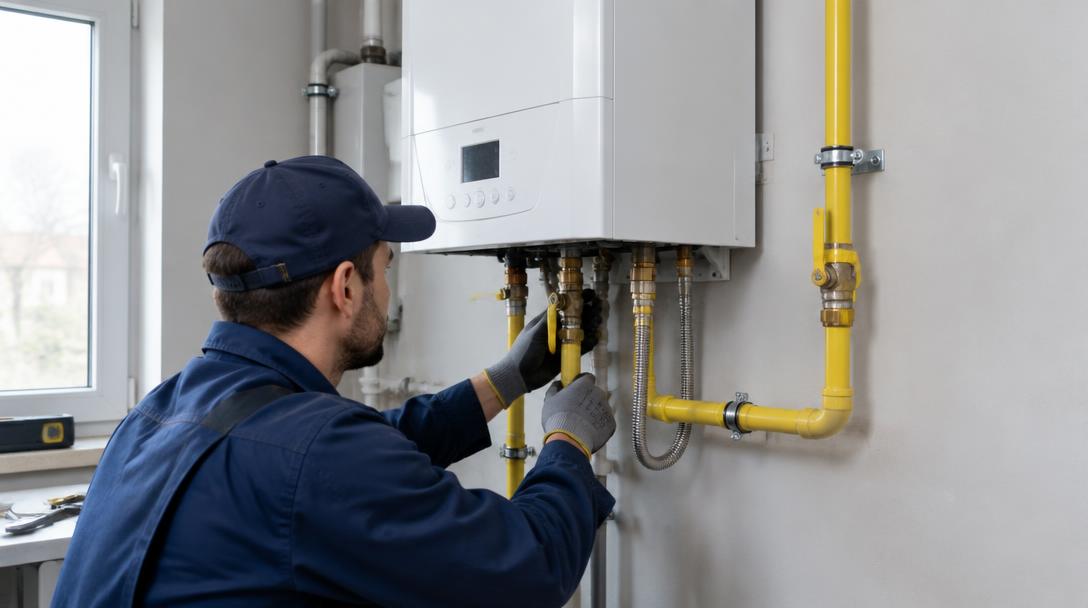
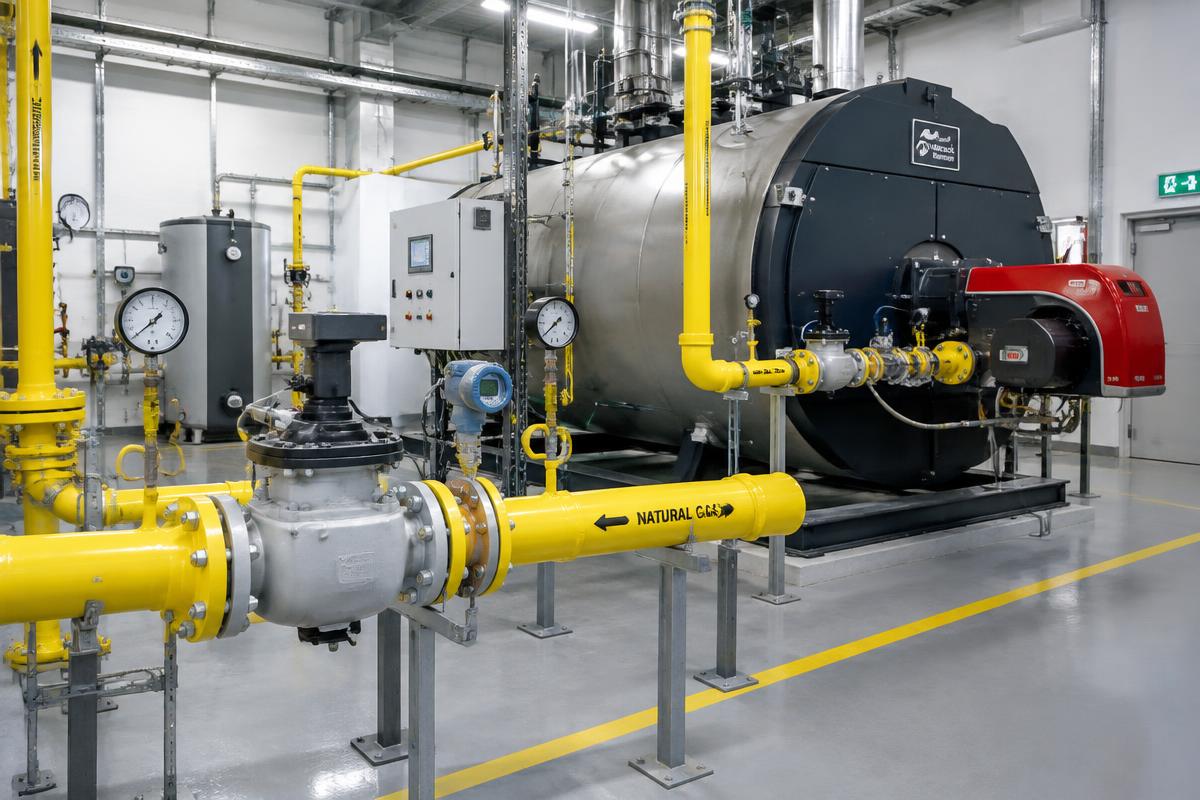
Preventive maintenance reduces the likelihood of unplanned downtime and helps identify wear and tear before it evolves into a serious problem. In a natural gas installation, maintenance must include both the mechanical network and the instruments and safety systems.
Visual inspection of piping
Corrosion, impacts, damaged paint, loose supports, abnormal vibrations, and generally any deviation from the installation's original state are checked.
Valves and isolation points
Valves must be accessible, identifiable, and in good mechanical condition. The functionality of critical valves is confirmed in accordance with the maintenance schedule and the manufacturer's instructions.
Filters and regulators
An increase in differential pressure across a filter or the instability of a regulator can cause supply problems. Their performance is monitored, and maintenance work is carried out according to established procedures.
Pressure gauges and transmitters
Manometers, pressure transmitters, and other instruments must provide reliable readings. A faulty instrument can lead to a misdiagnosis even if the network itself is operating correctly.
Safety systems
ESD, gas detectors, pressure switches, solenoid valves, and interlocks require periodic functional testing. The test must confirm not only the signal but also the final action, such as the proper shutdown of the supply.
Trend analysis
Comparing pressures, consumption levels, and alarms with historical values can reveal gradual degradation. The trend of a parameter is often more useful than a single measurement.
Fault history
Logging recurring trips helps identify patterns, such as problems during peak demand hours or after specific equipment starts.
Conclusion
Preventive maintenance is not just cleaning and replacing parts. It is an organized inspection of mechanical condition, instruments, safety systems, and operational data. Natural gas work is performed by competent personnel using established isolation and safety procedures.