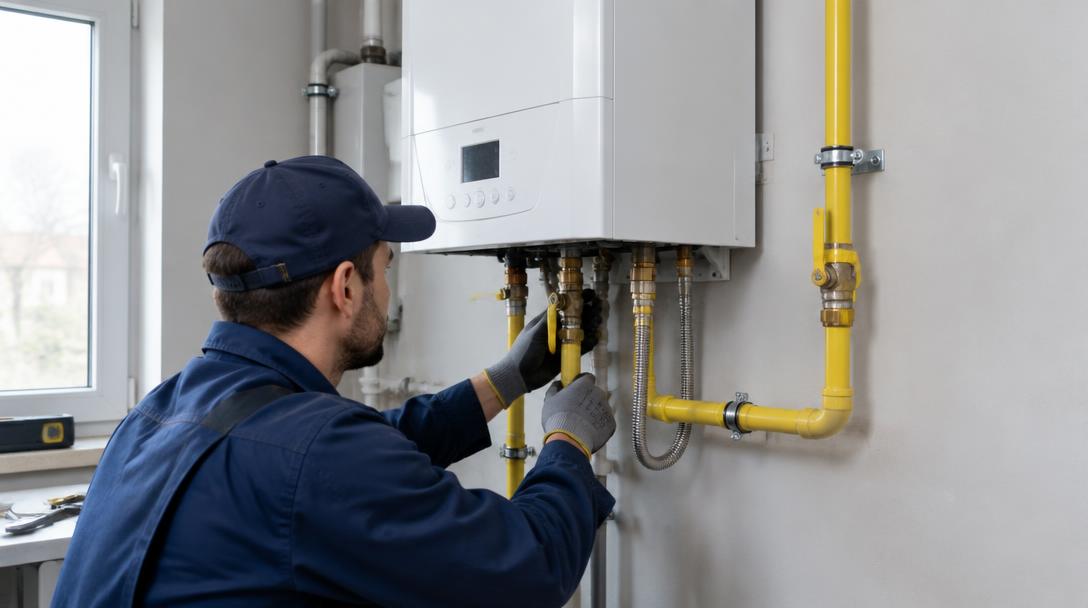
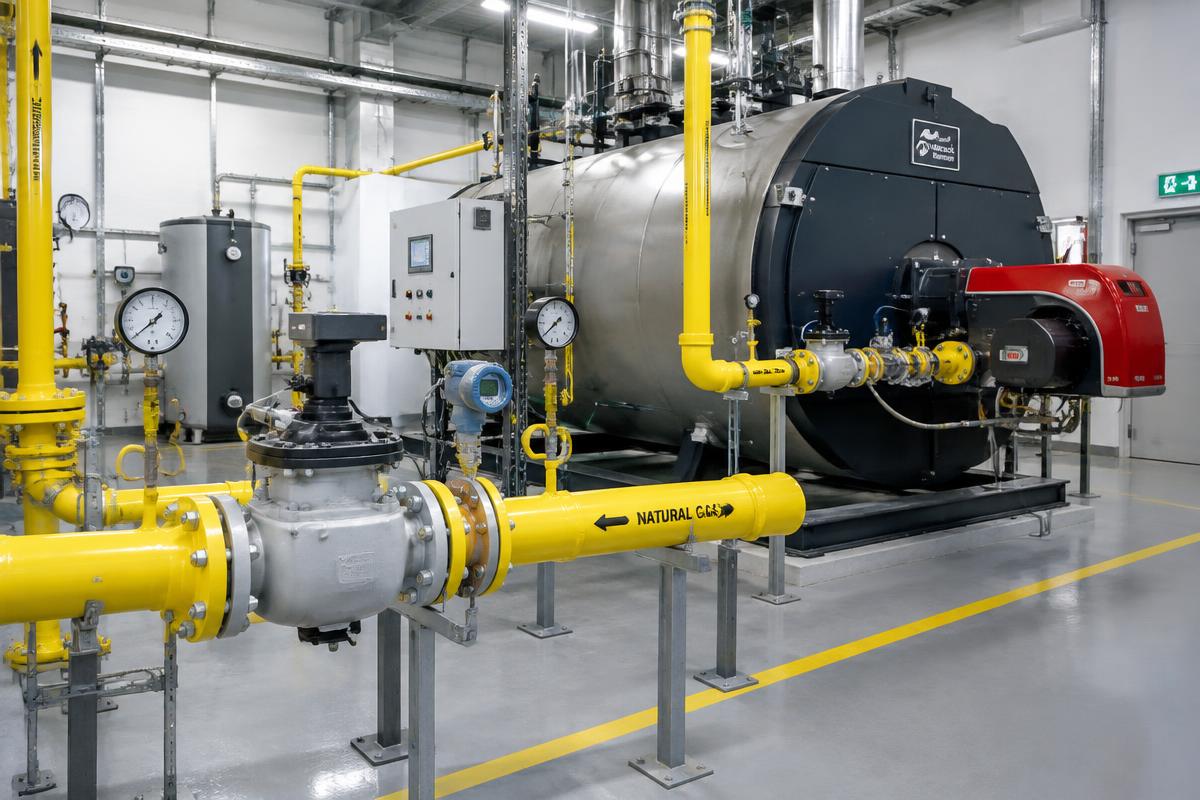
In areas where an explosive atmosphere may occur, electrical and mechanical equipment must be selected based on risk assessment. The ATEX concept does not just refer to an 'explosion-proof motor', but to the entire logic of equipment classification and selection.
What is a hazardous zone
Zone classification is based on how often and for how long a flammable mixture of gas and air may be present. The zone is not determined empirically by the maintenance technician but by a hazard analysis.
Potential leak sources
Flanges, regulators, valves, vent points, meters, and connections can be points considered during classification. The existence or absence of a hazardous zone depends on many parameters, including ventilation.
Equipment of the appropriate category
The electrical device installed in a classified area must be suitable for the specific use and bear the required markings. It is not enough for it to simply be sealed or of industrial type.
Wiring and interventions
Inappropriate cable glands, unauthorized changes to boxes, and makeshift repairs can invalidate the equipment's protection. Every task must follow the facility's requirements and the manufacturer's instructions.
Maintenance
Inspection includes the condition of enclosures, cables, grounds, cable glands, screws, and markings. Equipment with wear or unauthorized tampering should not automatically be considered suitable for continued operation.
Fundamental principle
ATEX safety is based on documented classification and correct equipment selection. Diagnosis or changing a zone category cannot be done solely by visual assessment.