A natural gas meter records the volume of gas passing through to your installation. Reading it correctly helps you control your bills, monitor heating and hot water usage, and identify discrepancies that need investigation. To draw reliable conclusions, you must distinguish between the meter's total reading and periodic consumption, as well as between cubic meters and the energy billed.
1. What the natural gas meter shows
For standard residential meters, the primary reading is the total volume of natural gas recorded, usually in cubic meters, m³. This is a cumulative reading: it does not reset every month or upon the issuance of a bill. To determine consumption over a specific period, you must subtract two consecutive readings.
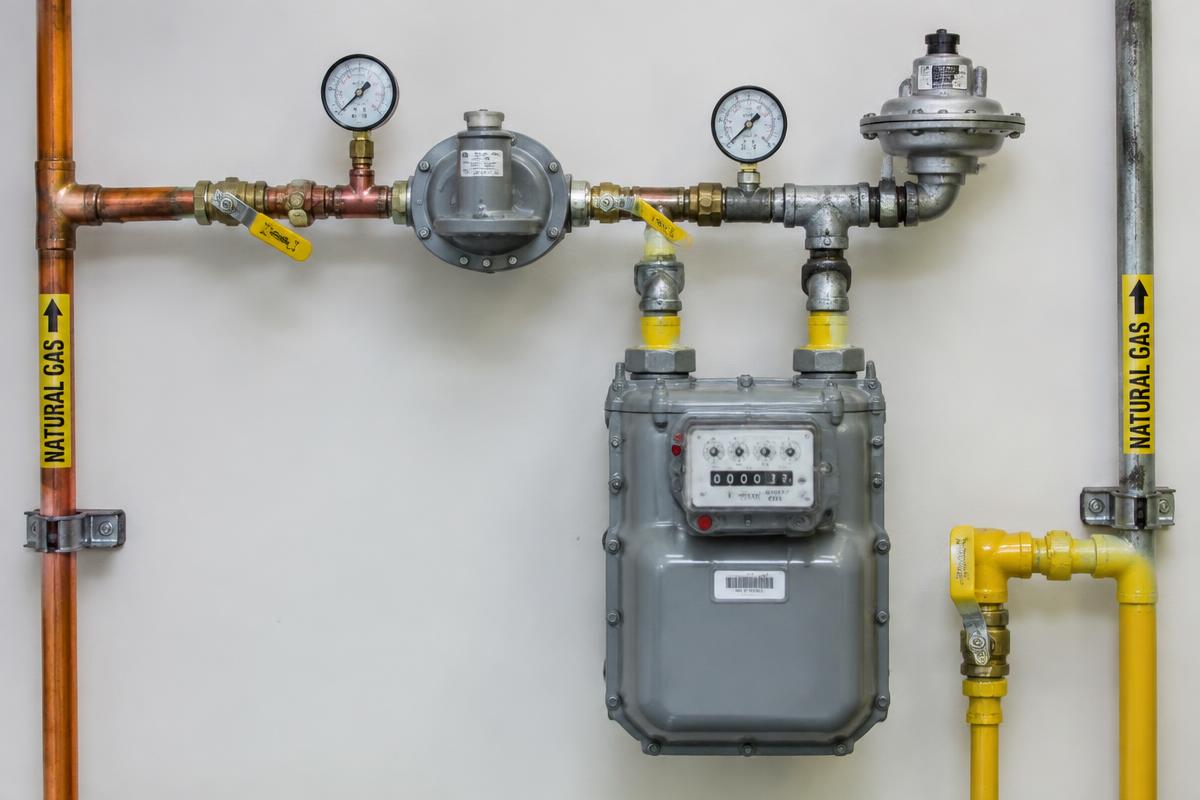
On a mechanical meter, you will usually see numbered wheels. The digits before the decimal separator correspond to whole cubic meters. Decimal digits are often colored red or located in a separate box. The layout varies by model, so do not rely solely on color: look for the decimal separator and the unit of measurement.
On an electronic or smart meter, the screen may cycle through different information. Use the total volume reading with the unit requested by your network operator. Do not assume that every number displayed is a reading to be submitted.
- Volume reading: the cumulative quantity of gas in m³.
- Serial number: identifies the specific meter.
- Technical markings: describe operating characteristics and limits, not your consumption.
2. How to read and record the reading correctly
First, ensure you are reading the correct meter, especially in apartment buildings with a shared meter room. Cross-reference the serial number with your supply details, where it is listed. A handwritten apartment label is useful but not sufficient as a sole confirmation.
Suppose the reading is 01234,567 m³. The total recorded volume is 1,234 cubic meters and 567 thousandths of a cubic meter. If the reporting application asks only for whole cubic meters, you enter 1234, without the decimals and without rounding up. Always follow the instructions provided by your specific reporting channel.
- Note the date and, for systematic tracking, the time of the reading.
- Take a clear photograph of the reading and the serial number.
- Check that you have not reversed any digits during entry.
- Keep a record of your readings and submission confirmations.
For personal tracking, you may keep the decimals if they are clearly readable. If the screen is off, follow only the provided activation instructions. Do not open covers or sealed sections and do not attempt to repair the mechanism.
3. Calculating consumption in m³ and converting to kWh
The basic calculation is simple: consumption in m³ = current reading − previous reading. If the previous record was 1,234 m³ and the next is 1,310 m³, the consumption for the period is 76 m³. The two values must refer to the same meter and the same base of measurement.
The natural gas bill, however, usually calculates energy in kilowatt-hours, kWh. Cubic meters represent volume, while kilowatt-hours represent energy. The conversion depends on the calorific value of the gas and, where required, on the correction of the measured volume to the reference conditions of the billing.
Schematically, when the factors are shown separately: energy = measured volume × volume correction factor × calorific value. If a single conversion factor in kWh/m³ is provided on the bill, use that without applying a correction that is already included.
For example, with a purely indicative total factor of 11 kWh/m³, 76 m³ corresponds to 836 kWh. This number is not a fixed rule for every supply or period. For precise verification, use the data from your corresponding bill.
Gas kWh are not necessarily equal to the useful heat reaching your rooms. The efficiency of the boiler and the heat losses of the installation affect the final result.
4. What the G, Qmin, Qmax, and pressure markings mean
On the meter nameplate, there are indicators of primary interest to the installer and the network operator. A marking such as G4 or G6 indicates the size category or capacity of the meter. It does not indicate how many cubic meters you have consumed or the current supply pressure.
- Qmin: the minimum flow rate of the stated measuring range.
- Qmax: the maximum flow rate of the stated range, usually in m³/h.
- Pressure marking on the plate: may refer to an operating limit and not a live measurement.
- Compliance and metrology markings: refer to the prescribed requirements for the device.
The flow rate in m³/h is volume per unit of time, while consumption in m³ is accumulated volume. Similarly, pressure in mbar or bar is a different quantity and cannot be derived from the cumulative reading.
The pressure regulator, even when located next to the meter, has a different function. Choosing capacity, checking pressure, and any intervention must not be done empirically by the user. They require the competent operator or a licensed technician, depending on the part of the installation.
5. Checking the bill and unusual consumption
First, compare the dates and readings on the bill with your own records. Check if the charge is based on an actual reading or an estimate. A settlement bill may correct previous estimates, so a difference does not necessarily mean a fault.
For useful comparisons, calculate the average daily consumption by dividing the m³ by the days in the period. Consider outdoor temperatures, heating hours, thermostat settings, and hot water usage. Two months of different duration or weather cannot be compared solely by the total cubic meters.
If the meter was replaced, you need the final reading of the old one and the initial reading of the new one. If you notice unexplained movement of the reading while you believe no appliance is running, request an inspection: there may be an automatic appliance operation, but the finding should not be ignored. Observing the meter does not replace a leak tightness test.
If you smell gas, safety comes first. Do not light a flame, do not operate electrical switches, and do not use a phone inside the suspicious area. Move away and call the official emergency line of the network operator from a safe location. Do not attempt to locate or repair a leak yourself.
Frequently Asked Questions
Do I enter the red digits of the meter?
Usually, self-reading services request only the whole cubic meters. The red digits are often decimals, but check the separator and the specific submission instructions.
How many kWh is one cubic meter of natural gas?
There is no single fixed value for all cases. Use the conversion factor or the detailed calorific value and correction data printed on your bill.
Why does today's reading differ from the one on the bill?
The reading on the bill refers to a specific date, usually prior to its issuance, or it may be an estimate. Check the date, type of reading, and serial number before reporting a possible error.
Can I check the pressure from the consumption digits?
No. The digits record gas volume, not pressure. Pressure measurement requires an appropriate instrument, a designated test point, and a qualified technician, without unauthorized interference with the meter or the regulator.