The Importance of Control Instruments in Natural Gas Installations
The use of natural gas in Greece, for both domestic heating and professional use, is governed by strict safety regulations. The heart of a safe installation is not just the boiler, but the system of instruments that control the flow and pressure of the fuel. In this article, we will analyze the role played by manual valves, electromagnetic valves (solenoid valves), and pressure switches.
As technicians, we know that safety does not allow for half-measures. Every component installed on a gas line must be CE certified and suitable for the network's operating pressure (usually 20mbar for household appliances or 500mbar for internal medium-pressure networks).
Manual Shut-off Valves: The First Line of Defense
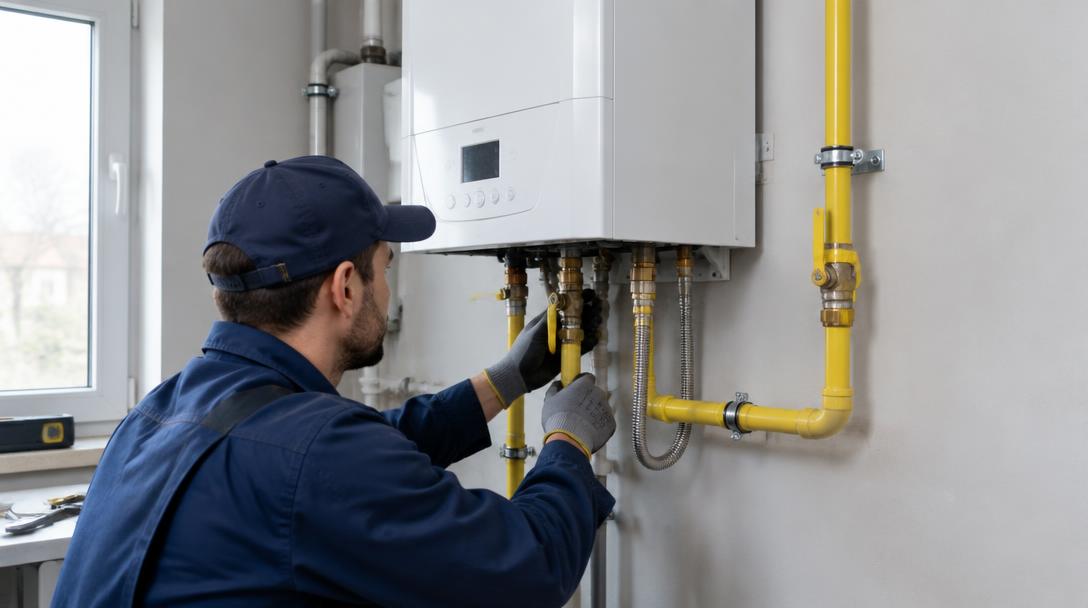
Manual valves (ball valves) are the simplest but most critical component. They allow for the isolation of parts of the installation for maintenance or in case of an emergency.
Types and Specifications
- Yellow Handle: According to the color code, gas valves must have a yellow handle to be immediately distinguished from water valves.
- Full Bore Type: Full-flow valves are preferred so as not to cause a pressure drop in the circuit.
- Installation Position: A valve must always be located before the meter, one at the building entrance, and one immediately before each appliance (boiler, kitchen).
Gas Solenoid Valves: Automation and Protection
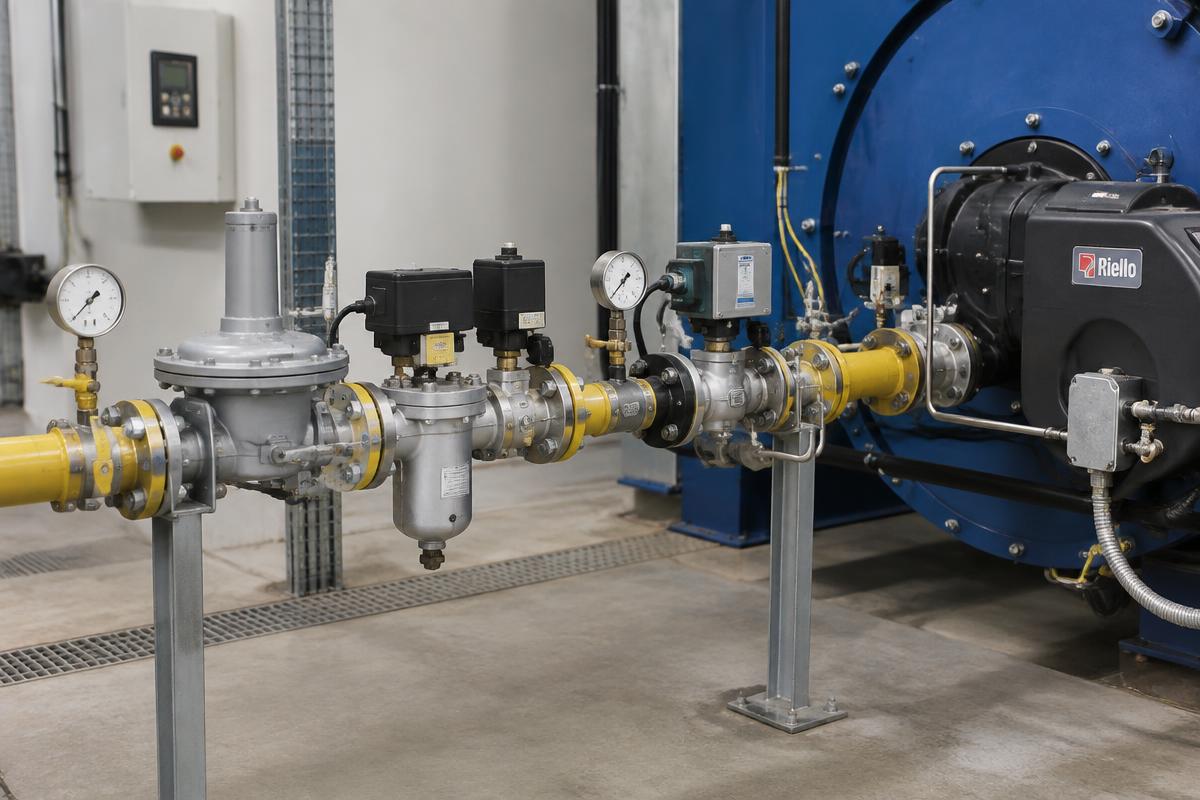
The solenoid valve is an electromagnetic valve that automatically shuts off the gas supply when it receives a signal from a detector or the fire safety system. In Greece, their installation is mandatory in boiler rooms and commercial kitchens.
Automatic or Manual Reset Solenoid Valves?
In gas installations, we use almost exclusively manual reset solenoid valves. This means that if the valve closes due to leak detection, it will not open by itself when the signal stops. A technician or the owner must check the area and manually pull the piston to restore flow, ensuring the problem has been resolved.
- Normally Open (N.O.): They close only when they receive power. These are the most common in domestic installations as they do not consume energy during operation.
- Normally Closed (N.C.): They require continuous power to remain open. Used in special industrial applications.
Gas Pressure Switches: The Guardian of Pressure
The pressure switch is a switch activated by gas pressure. Its main function is to protect the burner and the installation from extreme pressure values.
Minimum Gas Pressure Switch
This is the most common type. If the network pressure drops below a limit (e.g., due to a fault in the distribution company's regulator), the pressure switch interrupts the operation of the burner. This prevents incomplete combustion and the production of carbon monoxide.
Maximum Gas Pressure Switch
Usually installed in larger facilities. If the pressure regulator fails and the pressure rises dangerously, the pressure switch "locks" the system to prevent damage to the burner valves or a leak.
Maintenance and Functionality Check
A safety system is useless if it does not work when needed. Annual maintenance should include:
- Detector test: Use of a special test spray to ensure the solenoid valve closes instantly.
- Leak check: Use of foam or a digital detector at valve connections.
- Pressure switch adjustment: Confirmation that the cut-off point is correctly set based on the burner manufacturer's specifications.
- Lubrication: For old brass valves (if any still exist), although modern ball valves do not require lubrication, they must be opened and closed to prevent them from "sticking" due to deposits.
Frequently Asked Questions (FAQ)
1. Why does my solenoid valve close without the smell of gas?
Often, gas detectors are affected by strong odors of cleaning products (bleach, alcohol) or steam from cooking. If the solenoid valve closes, ventilate the area and check for an actual leak before resetting it.
2. Can I install a solenoid valve myself?
No. Any intervention in the gas network must be performed by a licensed gas fuel technician. After installation, a leak test with an appropriate instrument (manometer) is required.
3. How often should I change the detector and the solenoid valve?
Gas detectors have an expiration date (usually 5-7 years) as their sensing element degrades. The solenoid valve, if maintained properly, can last much longer, but should be checked annually.
4. What does it mean when the pressure switch "blocks" the burner?
It means that the gas pressure is not within the operating limits. This may be due to a clogged gas filter or a problem with the EDA's central regulator.
Conclusion
Valves, solenoid valves, and pressure switches are the "silent guardians" of your installation. Proper selection of certified materials and regular maintenance by specialized technicians ensure that natural gas will remain a safe and efficient energy source for your home or business. Never neglect checking your safety systems; prevention is always better than restoration.