Why Does Boiler Pressure Keep Dropping?
Repeated pressure loss is one of the most common problems encountered in sealed central heating systems.
Small pressure variations between cold and hot operating conditions are normal. However, if your boiler repeatedly loses pressure and requires frequent topping up, there may be an underlying issue that needs investigation.
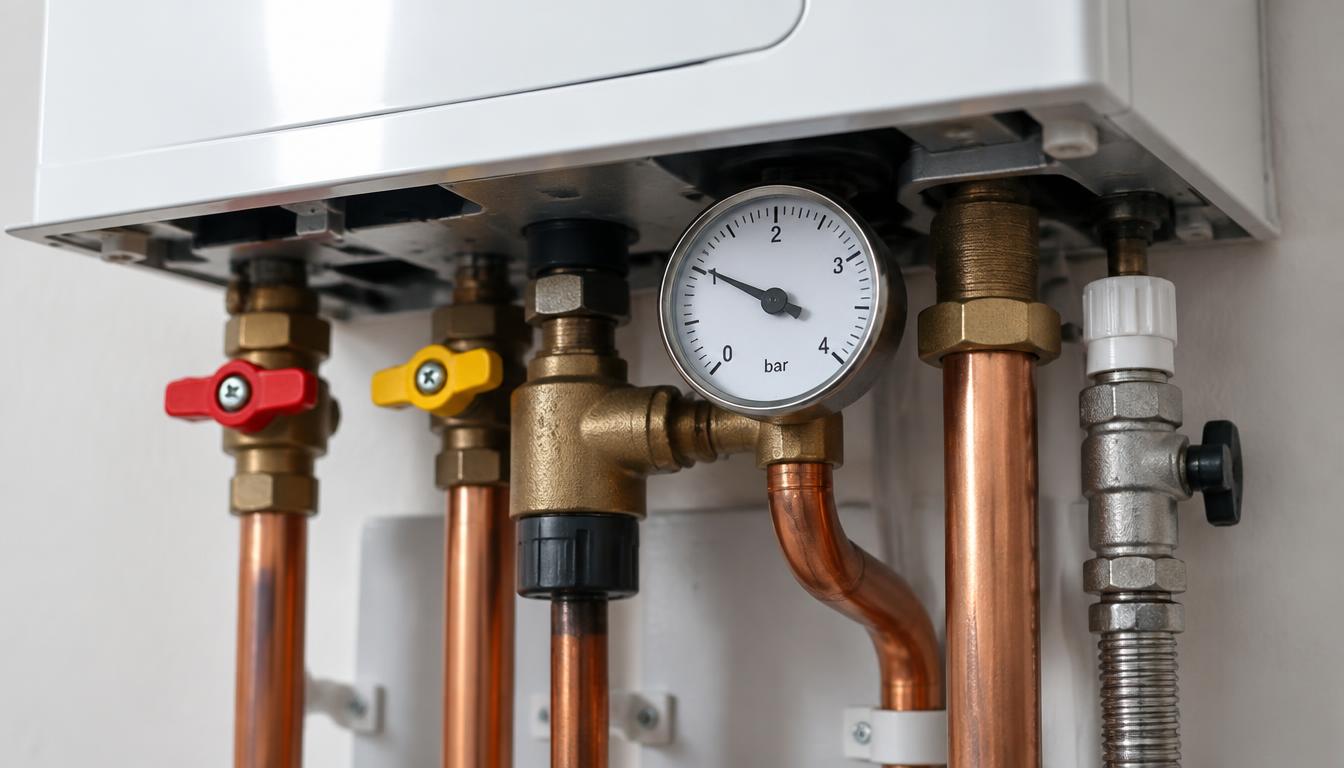
In many domestic heating systems, the recommended cold pressure is approximately 1–1.5 bar. However, the correct operating pressure depends on the manufacturer’s specifications, the building height and the heating system design.
Here are five possible causes of recurring boiler pressure loss.
1. Water Leaks in the Heating System
Even small water leaks can gradually reduce the pressure inside a sealed heating circuit.
Leaks may occur at:
- Radiator valves and connections.
- Pipe fittings and joints.
- Heating system components.
- Concealed pipework.
Common warning signs:
- Damp patches around pipes or radiators.
- Water droplets beneath radiator connections.
- Gradual pressure loss even when the heating system is switched off and cold.
Recommended action:
Visually inspect accessible components for signs of leakage. If a leak is suspected, contact a qualified heating technician to locate and repair it.
2. Expansion Vessel Problems
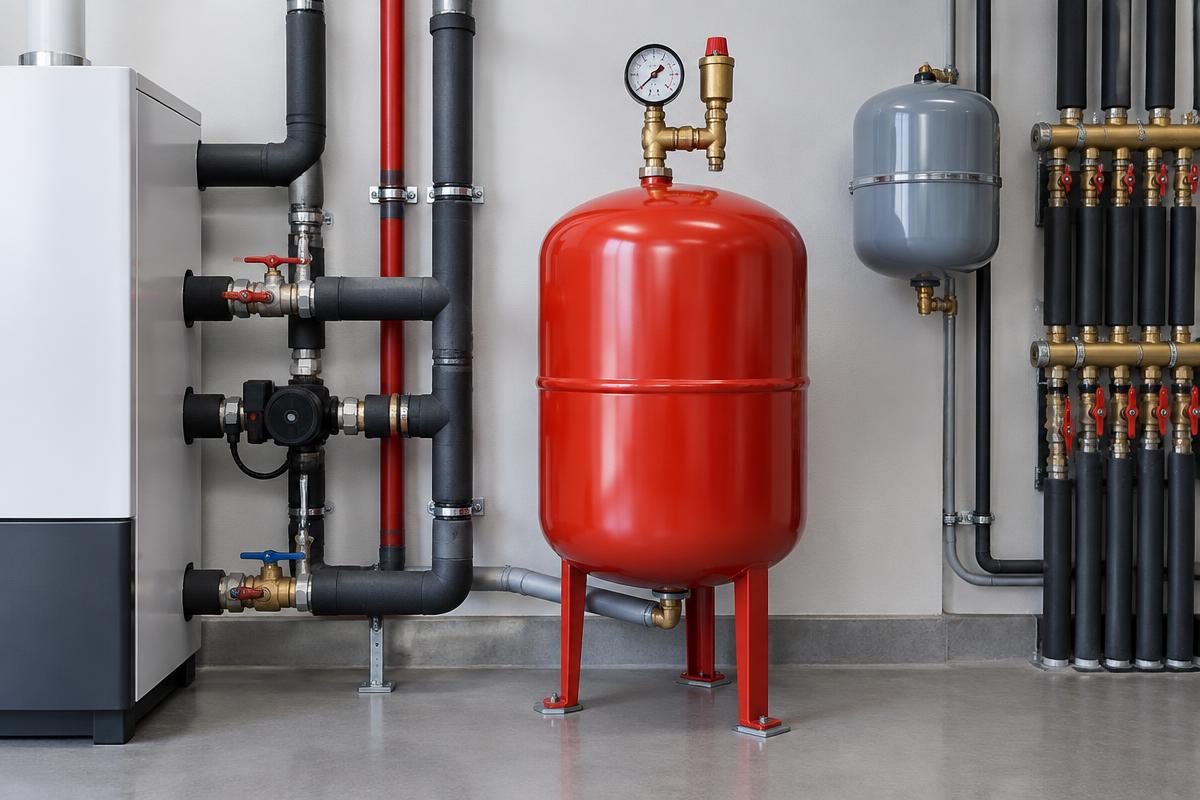
The expansion vessel is an essential component of a sealed heating system.
Its purpose is to accommodate the expansion of water as its temperature increases.
If the expansion vessel loses its correct gas pre-charge, develops a damaged diaphragm or is incorrectly sized, the system pressure may rise excessively during heating.
This can cause the pressure relief valve to open and discharge water.
When the system cools down, the pressure may fall significantly because water has been lost.
Possible symptoms:
- Large pressure fluctuations between cold and hot operation.
- Excessive pressure increases during heating.
- Water discharge from the safety valve.
- Low pressure after the system cools.
Recommended action:
A qualified technician should inspect the expansion vessel, check its pre-charge and assess its condition and sizing.
3. Leaking Pressure Relief Valve
The pressure relief valve is designed to protect the heating system against excessive pressure.
If the valve opens repeatedly or fails to reseal correctly, water may escape from the system.
This can result in recurring pressure loss.
Possible warning signs:
- Water dripping from the pressure relief discharge pipe.
- Repeated pressure reduction after heating cycles.
- Evidence of previous safety valve discharge.
Recommended action:
Have the pressure relief valve and the underlying cause of discharge checked by a qualified technician.
Important: Never block, cap or modify a pressure relief discharge pipe.
4. Radiator Bleeding and Trapped Air
Air can accumulate inside radiators and heating pipework.
Bleeding radiators removes trapped air and may also release a small amount of water.
As a result, the pressure reading may decrease.
A pressure reduction following radiator bleeding does not automatically indicate a boiler fault.
However, if radiators repeatedly require bleeding or pressure continues to fall, further investigation is necessary.
Possible underlying issues include water leaks or other problems affecting the heating circuit.
5. Internal Boiler Leaks or Filling-System Faults
In some cases, pressure loss may be caused by an internal leak within the boiler or around components associated with the filling system.
Internal leaks may not always be visible to the homeowner.
A faulty filling valve can also cause abnormal pressure behaviour. Depending on the fault, it may allow unwanted water into the heating circuit and cause pressure to rise rather than fall.
Recommended action:
Internal boiler components and filling-system faults should be inspected by a qualified heating professional.
Homeowners should not remove the boiler casing or attempt repairs involving internal components.
What Can Homeowners Safely Check?
Before contacting a heating professional, homeowners can make a few basic observations:
- Check the pressure when the system is cold. Record the reading shown on the boiler pressure gauge.
- Observe pressure during heating. Note whether the pressure increases excessively when the system heats up.
- Look for visible water leaks. Inspect accessible radiator connections, valves and pipework without dismantling equipment.
- Consult the manufacturer’s instructions. Recommended operating pressure varies between boiler models and installations.
- Monitor recurring pressure loss. If the pressure continues to drop, arrange a professional inspection.
Repeatedly topping up the system without identifying the cause is not a permanent solution.
Frequent refilling may introduce oxygen and minerals into the heating circuit, contributing to corrosion and deposits.
When Should You Contact a Heating Technician?
Professional inspection is recommended when:
- Boiler pressure repeatedly falls below the manufacturer’s recommended range.
- The heating system requires frequent topping up.
- Visible water leaks are present.
- The pressure relief valve discharges water.
- Pressure fluctuates excessively between cold and hot operation.
- The boiler displays recurring pressure-related fault codes.
Important Safety Information
Do not remove the boiler casing, interfere with gas or electrical components, or bypass safety devices.
Any inspection or repair involving internal boiler components should be carried out by a suitably qualified professional.
If you smell gas, follow your local gas emergency procedures immediately.
Conclusion
Repeated boiler pressure loss can have several causes, including heating-system leaks, expansion vessel problems, pressure relief valve faults, radiator bleeding and internal component failures.
Understanding how pressure changes during operation can help identify possible causes, but an accurate diagnosis may require professional testing.
Identifying and correcting the underlying fault is essential for maintaining safe, reliable and efficient heating system operation.
Related articles
- Why does boiler pressure rise? The Expansion Vessel
- Expansion Vessel: How to Check Nitrogen Pressure and Why It Fills With Water
- Boiler safety valve: when it drips and when it needs replacement
- Radiator cleaning and bleeding step-by-step
THERMOSPHERE
Engineering Knowledge That Matters.
Heating • Plumbing • Electrical • HVAC