A water heater usually goes unnoticed as long as it provides enough hot water. However, when it starts leaking, slowing down, or draining quickly, the question arises: repair or replace? The right decision doesn't just depend on its age. Factors such as the condition of the tank, maintenance, water quality, and compatibility with the heating system all matter. If you are going to install a new one, capacity in liters is only one of the criteria. Below is a practical guide to avoid unnecessary expenses and incorrect choices.
1. What do we mean by "water heater" (boiler)?
In residential installations, a boiler usually refers to the hot water storage tank, i.e., the water that ends up at the taps. Depending on its design, it can be heated by a boiler, heat pump, solar collectors, or an electric heating element.
In an indirect heating boiler, the heating circuit water passes through a heat exchanger, usually a coil, without mixing with the domestic hot water. An electric water heater heats water using a heating element. These terms are often used loosely in the market, so check the technical brochure rather than choosing based solely on the commercial name.
- Dual-energy: combines two heating sources, which must be specified.
- Triple-energy: usually combines solar energy, an electric heating element, and a connection to the central heating system.
- For heat pump: requires an appropriate heat exchanger for operation at lower supply temperatures.
2. When is replacement needed and when is repair enough?
There is no specific age at which all boilers must be retired. After about 10–15 years, a stricter inspection is worth it, but a well-maintained tank can last longer, while a neglected one may fail sooner.
Signs that require immediate inspection
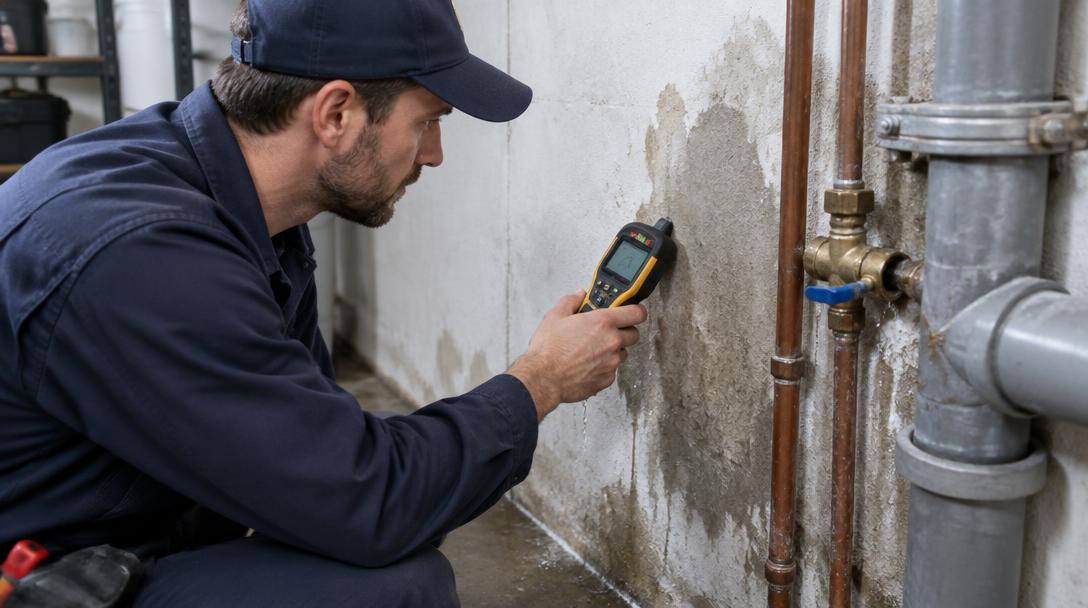
- Water leaking from the tank itself: a puncture in the shell due to corrosion usually means replacement, not a quick patch.
- Rust or moisture under the insulation: the source needs to be identified. It could be a connection issue rather than the tank itself.
- Frequent breakdowns: repeated repairs on an already burdened appliance may not be cost-effective.
- Insufficient hot water: check for limescale, thermostat issues, heating element failure, circulation in the heat exchanger, and changes in consumption first.
- Altered color or odor: requires investigation of the tank and the network, not an automatic conclusion that a replacement is required.
A worn gasket, heating element, or thermostat is often repaired economically, provided the tank is in good condition. Similarly, dripping from the safety valve may be related to thermal expansion or high pressure. Never block its outlet. Constant discharge requires a technical check.
In the event of an active leak, isolate the power supply safely and call a technician. Do not touch wet electrical parts and do not attempt to loosen components on a hot, pressurized tank.
3. How to choose capacity and type?
The choice starts with actual habits: how many people take consecutive showers, if there is a bathtub, and how quickly the water reheats. As an indication, for standard household use:
- 1–2 people: approximately 80–120 liters.
- 3–4 people: approximately 120–200 liters.
- 5–6 people: approximately 200–300 liters.
The above ranges do not replace a professional calculation. A large showerhead or the simultaneous use of two bathrooms significantly increases requirements. Conversely, fast reheating may allow for a smaller tank. Oversizing increases purchase costs and usually storage losses.
Liters are not the total available hot water
Ideally, 120 liters at 60°C, with cold water at 15°C, correspond to about 216 liters of mixed water at 40°C. In practice, the usable quantity is affected by stratification, heat losses, and the way the water is drawn. Ask for actual performance data and reheat times under your installation conditions.
Compatibility with the heat source
For a heat pump, the "with coil" label is not enough. You need sufficient heat exchanger surface area, appropriate power at the expected temperatures, and a compatible sensor position. A heat exchanger that performs well with boiler water at 80°C may perform much worse at 50–55°C.
For a solar and boiler combination, check the number and position of the heat exchangers. The electric heating element, if provided, must be approved for the specific tank and electrical installation.
4. What to check in construction and installation?
The lifespan depends as much on the material as on proper installation. An enameled tank usually features a protective anode, while a stainless steel one is not automatically immune to corrosion: water quality and manufacturer limits are what matter.
- Insulation: compare the stated standby heat losses, where provided, between similar capacities.
- Operating pressure: must be compatible with the network and safety devices.
- Maintenance access: leave room for the removal of the anode, heating element, and gasket.
- Dimensions and weight: check doors, transport paths, and floor load capacity. Just the water in a 200-liter tank weighs about 200 kg.
- Spare parts and warranty: read the maintenance and water quality requirements.
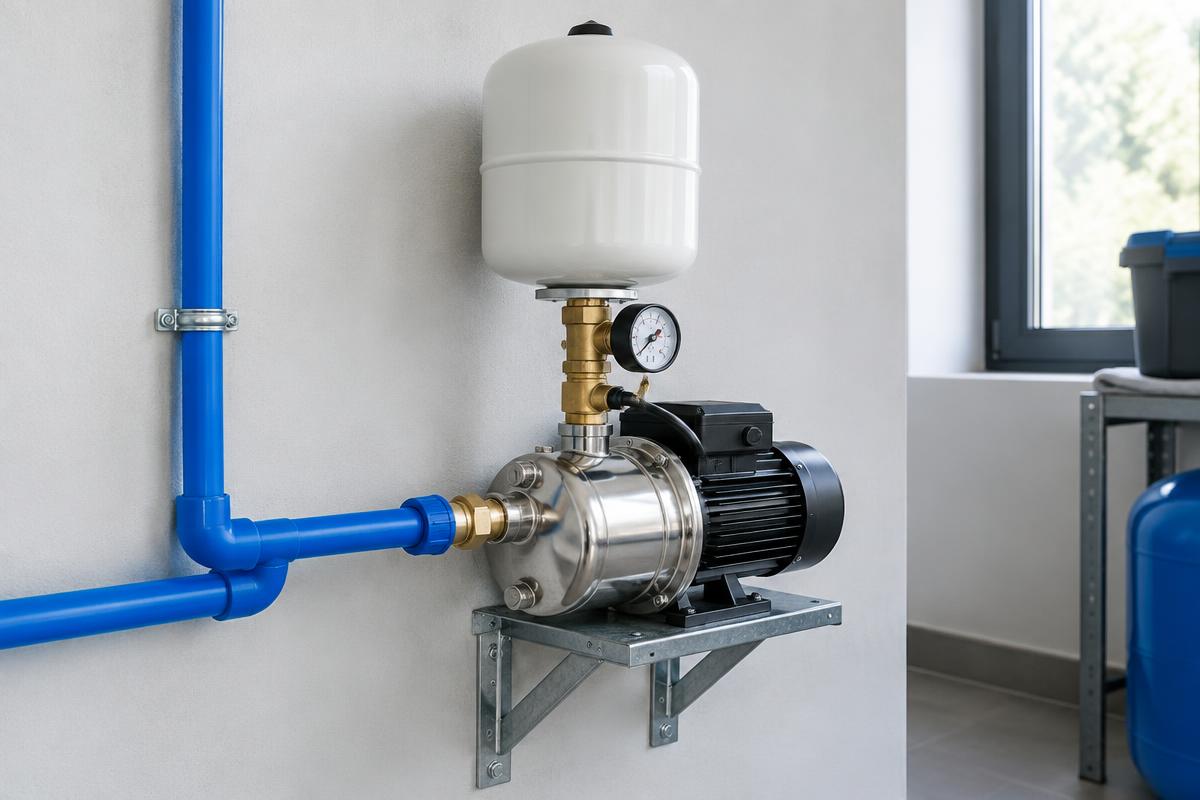
The technician must check the safety valve, check valve, the possible need for a pressure reducer, and an expansion tank suitable for potable water. The heating system's expansion tank does not cover the domestic hot water circuit. Discharge must be directed to a safe drain, according to installation instructions.
Storage around 60°C is often used to limit the risk of Legionella, with an appropriate hygiene strategy per system. Because there is a risk of scalding, thermostatic mixing is provided where needed, usually for a supply of about 45–50°C, depending on use. For heat pumps, thermal disinfection functionality is also checked.
5. Replacement costs and maintenance
As an indicative range in the Greek market, a residential indirect heating boiler of 120–200 liters can cost about 450–1,100 euros for the equipment alone. Special models for heat pumps, larger capacities, or complex designs may exceed 1,500 euros.
For simple replacement in an accessible space, labor and basic small materials may add about 150–400 euros. Pipe modifications, electrical work, transport, and additional safety devices increase the total. Request a written quote that clarifies VAT, dismantling, and removal of the old tank.
Schedule maintenance according to the manual. Anode inspection is often required every 1–2 years, but may be required sooner. In areas with hard water, particular attention to deposits is needed. Keep a maintenance record and do not wait for the first leak.
Frequently Asked Questions
Should I change my boiler because it is over ten years old?
Not necessarily. An inspection of tightness, corrosion, and maintenance history should come first. Age is an indicator for more careful evaluation, not an automatic expiration date.
Can I keep the existing one with a new heat pump?
Only if it is confirmed that the heat exchanger performs sufficiently at the new temperatures and that the tank, sensors, and control are compatible. Otherwise, you may experience slow reheating.
Does a larger boiler always consume less?
No. It provides a larger reserve but usually has more standby losses. The goal is adequacy without unnecessary storage.
Can I do the replacement myself?
It is not recommended. There are requirements for pressure, electrical safety, and proper support. Qualified professionals are needed for the respective tasks.
Conclusion: Change the water heater when the tank's condition or the cost of repeated breakdowns justifies it. Choose the new one based on consumption, heat source, and installation capabilities. Correct sizing and regular maintenance are worth more than a few extra liters.