
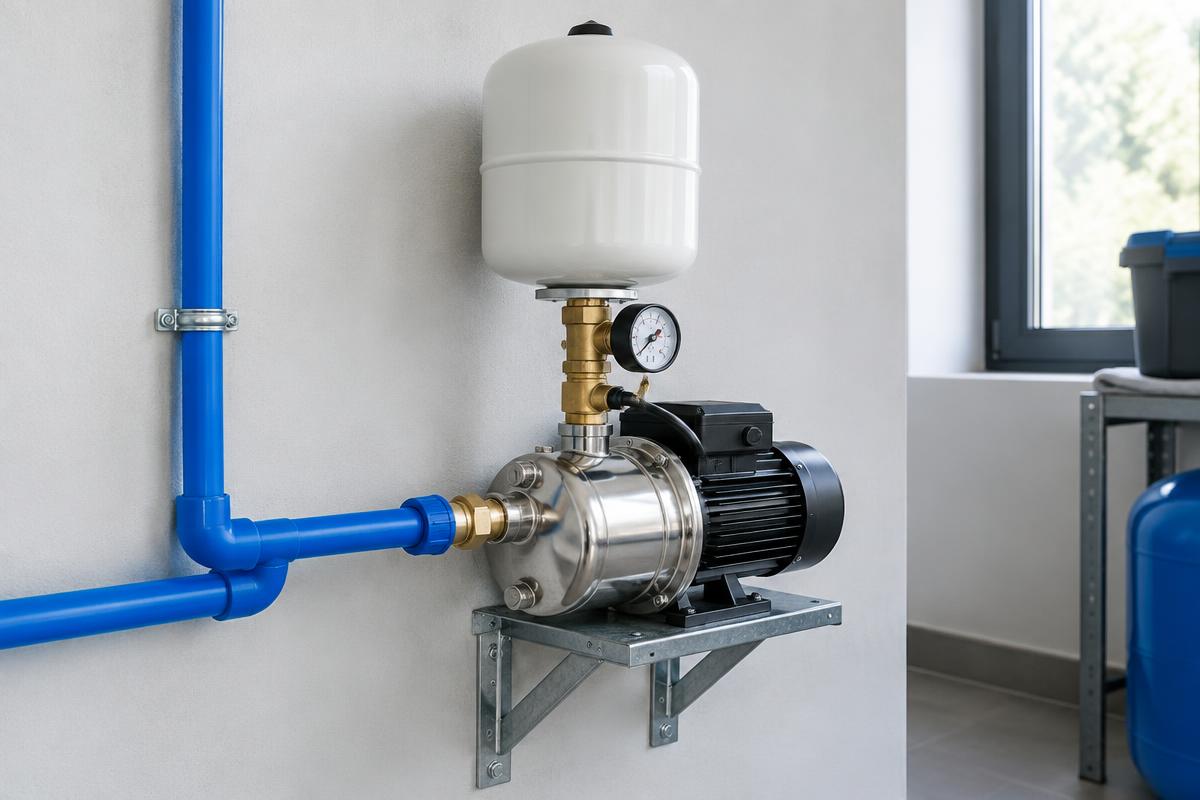
The water pump is the heart of every plumbing, irrigation, or heating system in a home. Whether it is a simple booster set or a heating circulator, the moment the pump "refuses" to start or a characteristic hum is heard without rotation, it causes immediate disruption. As technicians, we often face this phenomenon, which can be due to simple causes that can be solved in minutes, or more serious damage that requires equipment replacement.
1. The first signs and diagnosing the "hum"
When you provide power to the pump and it does not start, the first thing to pay attention to is the sound. If the pump remains completely silent, the problem is usually electrical (fuse, wiring, pressure switch). However, if you hear a low hum (the so-called "growl"), this means the current is reaching the motor windings, but the shaft is unable to rotate.
This situation is dangerous. If you leave a stuck pump powered on for a long time, the temperature in the windings will increase sharply, resulting in the burning of the copper insulation and permanent damage to the motor.
2. Common causes for pump seizure
Limescale and rust buildup
In Greece, hard water with high mineral content is the number one enemy. When the pump remains inactive for a long period (e.g., the circulator in the summer or the irrigation pump in the winter), the minerals crystallize between the impeller and the housing, "locking" the shaft.
Worn start capacitor
The single-phase pumps we use in homes need a capacitor to create the necessary starting torque. The capacitor is a consumable component with a specific lifespan (measured in microfarads - μF). If the capacitor has "dried out" or burst, the pump does not have the strength to start and simply hums.
Blocking by foreign objects
In pumps that draw water from tanks or wells, small stones, sand, or plastic debris can enter the interior and get wedged in the impeller. Even a small grain of sand can block a pump with a stainless steel impeller that has very tight tolerances.
3. Troubleshooting and repair steps
Before calling a technician, there are some checks you can safely perform if you have basic knowledge:
- Power cut: Before touching any component, turn off the breaker at the electrical panel.
- Manual rotation: Many pumps have a notch on the shaft at the rear (where the cooling fan is located). Use a screwdriver to see if the shaft rotates freely. If it is stiff, try to "unstick" it by rotating it left and right.
- Capacitor check: Open the pump's electrical box. If the capacitor looks swollen or has liquid leakage, it must be replaced with one of the exact same μF rating.
- Filter cleaning: If the pump has a built-in intake filter, ensure it is not completely clogged, preventing flow.
4. When is the pressure switch the problem?
In booster sets, the pump often does not start because the pressure switch (the component that "reads" the pressure) has stuck contacts or has accumulated limescale in the connecting tube. If the pressure switch does not sense that the pressure has dropped, it will never give the command for the pump to start. A light tap on the pressure switch housing sometimes reveals the problem, but the definitive solution is cleaning or replacing it.
5. Preventive maintenance to avoid failures
To avoid being caught by surprise, follow these tips:
- Periodic operation: Even if you don't need water, turn the pump on for 1-2 minutes every 15 days, especially during months of inactivity.
- Frost protection: In winter, water freezing inside the pump can crack the housing or destroy the impeller. Insulate the pump or drain the water if the house is seasonally occupied.
- Installation of a central supply filter: A sediment filter before the pump will protect it from sand and soil.
Frequently Asked Questions (FAQ)
Why does my pump get very hot while running?
This is usually due to increased friction (worn bearings), low voltage, or because the pump is running outside its specifications (too high pressure). Also, if the fan at the back is broken or dirty, cooling is insufficient.
Can I change the capacitor myself?
If you have basic electrical knowledge, yes. However, you must be careful, as the capacitor can hold a charge even after the power is cut. Make sure to buy a capacitor with the same capacitance (e.g., 16μF, 20μF, etc.) and operating voltage (usually 450V).
How much does it cost to repair a stuck pump?
If it is a capacitor issue, the cost of the spare part is small (5-15€). However, if the bearings are destroyed or the winding is burnt, the repair cost can approach 60-70% of the value of a new pump, often making replacement a better value.
Conclusion
A water pump that gets stuck does not necessarily mean total failure. Most of the time, the cause is hidden in disuse or a cheap electrical component. Proper sound diagnosis and regular maintenance are the keys to ensuring a trouble-free water supply in your home for many years. If, despite this, the pump continues to have problems, the advice of a specialized technician is essential to avoid further damage.