An RCD usually trips because it detects current following an unwanted path, for example through damaged insulation to a metal casing or to the ground. A device, moisture, a wiring problem, or the accumulation of small leakage currents from multiple loads may be responsible. This does not automatically mean that the RCD itself is faulty.
For the homeowner, the goal is to identify when the problem occurs and safely isolate a suspected device, not to tamper with the electrical panel. For a heating technician, checking for correlations with a heating element, circulator, or heat pump helps in the diagnosis, but the electrical inspection requires appropriate authorization and professional instruments.
1. What the RCD does and what it does not cover
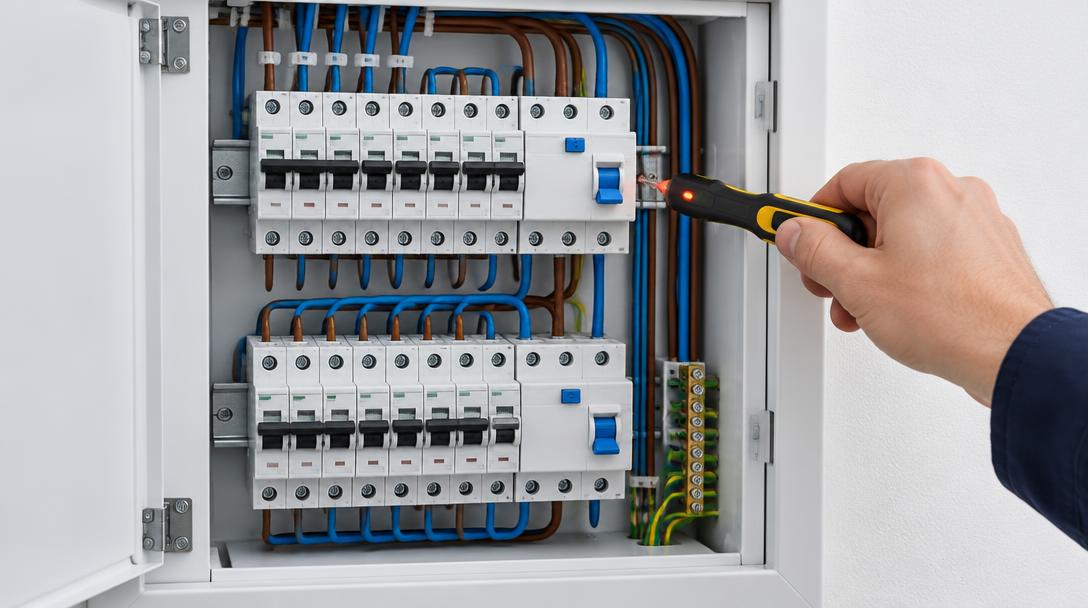
The residual current circuit breaker, known as an RCD or safety switch, compares the currents in the active conductors passing through it. In a 230 V single-phase supply, the current leaving through the phase must return through the neutral. When a sufficient difference occurs, the mechanism cuts off the power.
- 30 mA: common rated sensitivity for additional protection of people. It is not a guarantee that every electric shock will be prevented.
- 40 A or 63 A: typical rated currents that may be printed on the device. They do not represent leakage sensitivity.
- TEST or T button: checks the operation of the mechanism via an internal test circuit.
A simple RCD does not protect against overload or short circuits; these are covered by fuses or miniature circuit breakers (MCBs). There are also combined devices, residual current circuit breakers with overcurrent protection, known as RCBOs. Also, the RCD does not replace proper grounding. Before looking for a cause, verify which device has actually tripped without removing the panel cover.
2. Most common causes for tripping
Device with faulty insulation
Water heaters, electric ovens, washing machines, and heating elements can develop a leak to their metal casing. The fault sometimes manifests only when the heating element warms up or a specific operating stage begins. This is why a water heater might work for a few minutes and then trip the RCD.
Moisture and damaged wiring
External sockets, garden lights, basements, and boiler room areas are places where caution is needed. Water from leaking pipes, condensation, or rain can affect connections and equipment. Pierced cables, aged insulation, and poor workmanship are also potential causes.
Multiple small leaks or incorrect connections
Electronic devices with interference filters often exhibit small, normal leakage currents. When many loads are behind a single RCD, their sum can lead to disconnection. Contact between neutral and protective conductor after the RCD or incorrect mixing of neutrals from different circuits can also cause tripping, often when a load is active.
Finally, the suitability of the RCD type for the connected loads and potential failure of the mechanism are examined. Replacing it without prior measurements may simply leave the actual problem unsolved.
3. What you can check safely
If there is a smell of burning, smoke, sparking, water in the panel, or a sensation of electricity on a metal surface, do not attempt a reset. Keep others away and call a licensed electrician. Disconnect power only if you can operate the main switch safely, without approaching water or exposed parts. In case of fire or immediate danger, call 112.
Provided there are no such indications and the panel is dry, intact, and accessible:
- Record the time: did it trip when the washing machine started, when heating water, or after rain?
- Disconnect accessible devices: only from dry, intact sockets, with dry hands, and by pulling the plug, not the cable. Do not touch wet or damaged equipment.
- Turn off the suspected fixed device: use only its standard control switch. Do not open connection boxes or covers.
- Attempt a single reset: only if the suspected load has been removed and there are no signs of danger. If the RCD does not engage or trips again, stop.
- Keep the suspected device out of use: do not reconnect it repeatedly to confirm the fault.
Do not bypass the RCD, do not remove the ground, and do not replace it with a less sensitive one so that it "doesn't trip." Turning off an MCB does not always prove complete isolation of a circuit, because the neutral may remain connected. Diagnosing such cases belongs to the electrician.
4. What the licensed electrician checks
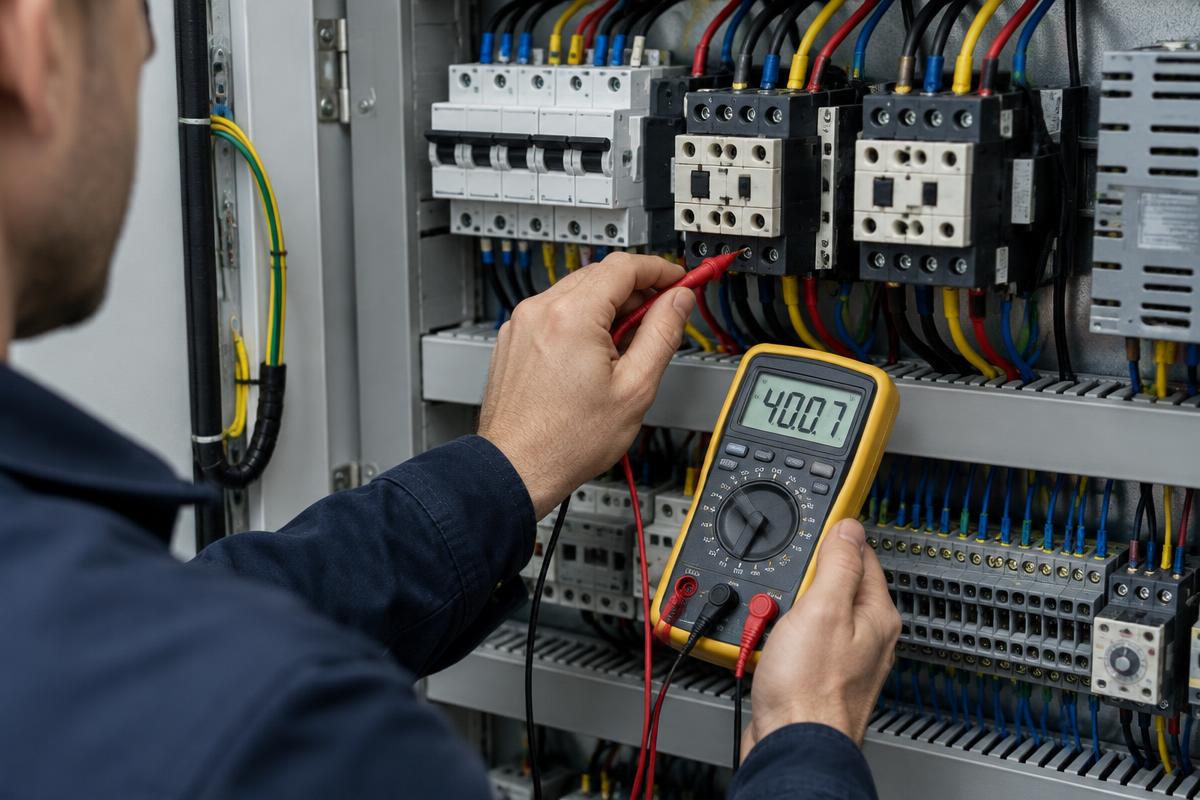
Proper testing is not limited to the TEST button. It starts with inspection and safe isolation, confirmation of the absence of voltage where required, and use of appropriate instruments. Depending on the installation, it includes:
- Insulation resistance measurement of lines and devices, with proper preparation so as not to damage electronic components.
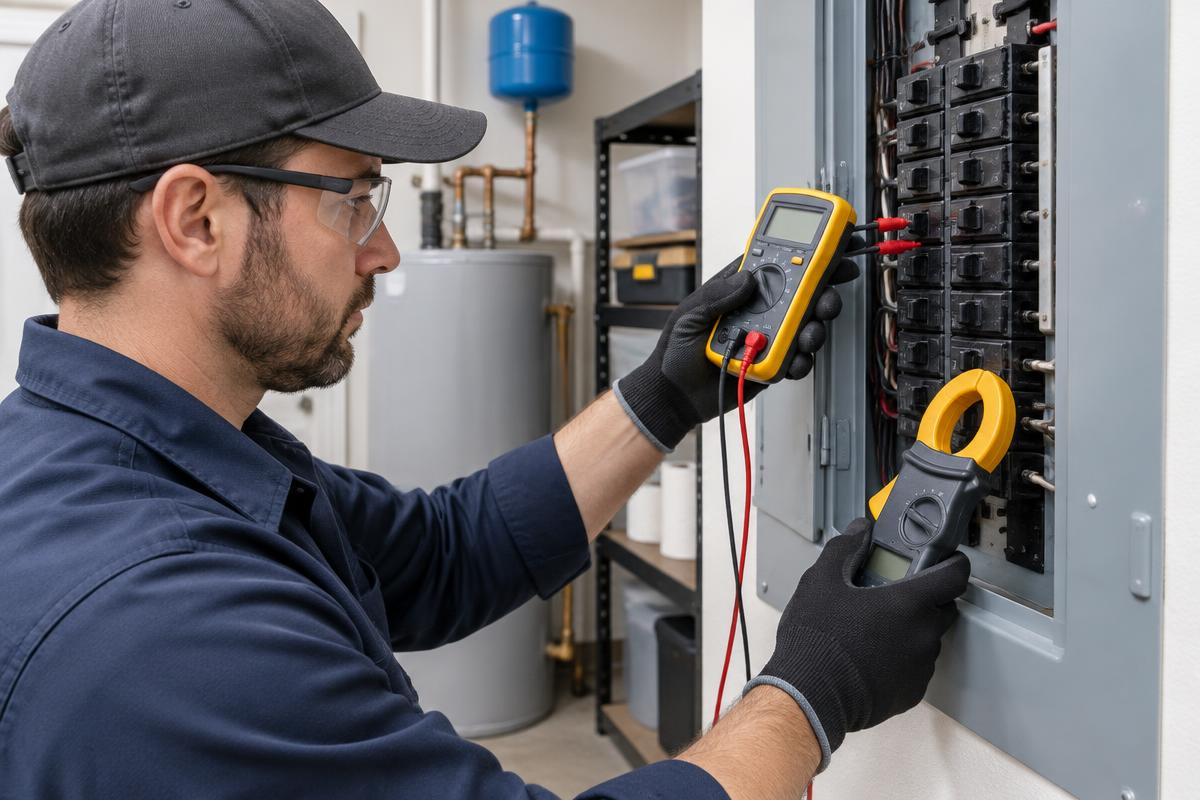
- Leakage current measurement with a special clamp meter and localization of the circuit that causes it.
- Testing the tripping time and current of the RCD with a special tester, according to the type and applicable requirements.
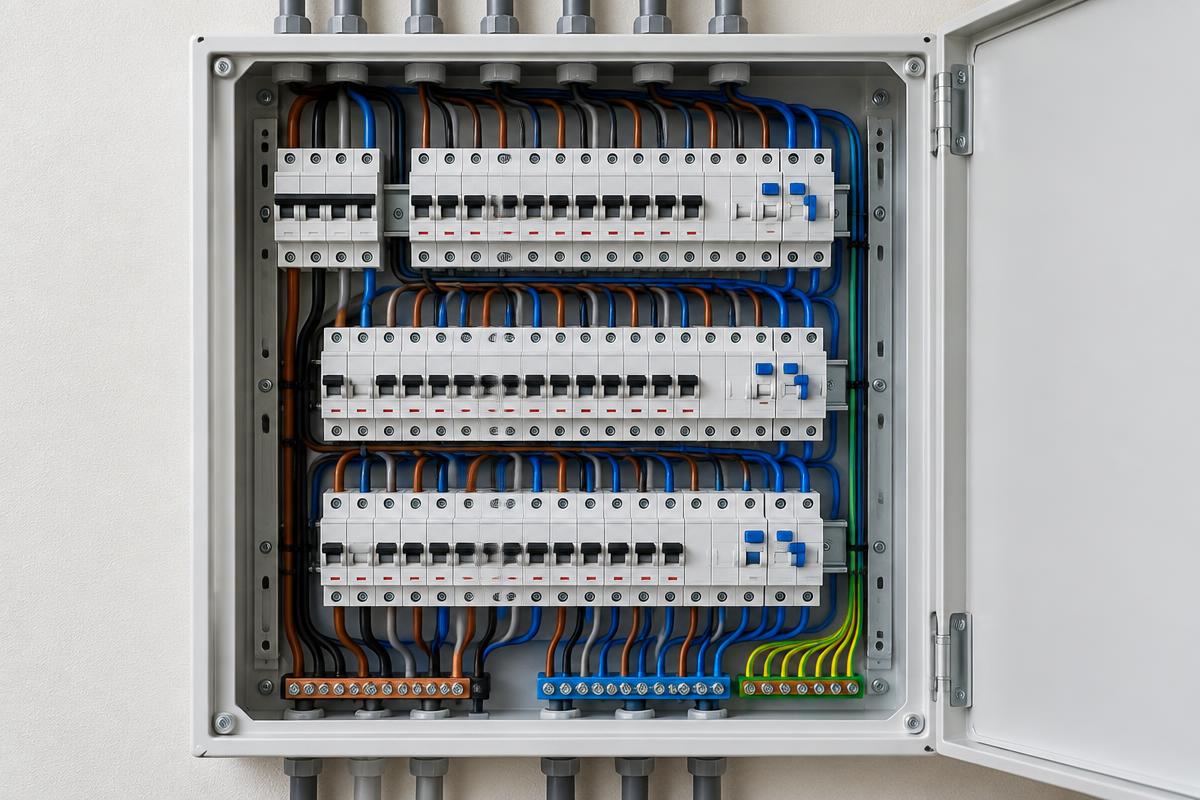
- Checking grounding, protective conductors, and neutrals, as well as the correct wiring in the panel.
- Checking type suitability: AC, A, F, or B, depending on the load and manufacturer instructions.
In heat pumps and other inverter systems, there is no single RCD type suitable for all cases. The selection follows the requirements of the specific equipment. In heating systems, heating elements, circulators, the burner, wiring, and potential water ingress are examined separately, with the cooperation of an electrician and a qualified technician.
5. Prevention and indicative cost of inspection
Press the TEST button with the frequency specified by the manufacturer. Schedule the test because power to protected circuits will be interrupted. If the RCD does not trip during the test under prescribed conditions, immediate inspection is needed. A successful TEST does not certify the grounding nor the entire installation.
- Repair water leaks near electrical equipment in a timely manner.
- Replace damaged power strips and cables, without makeshift repairs.
- Use appropriate equipment for outdoor and damp areas.
- Request a re-inspection after a flood, major renovation, or repeated tripping.
Indicatively, a scheduled visit with basic diagnostic testing can cost around €50–100. A simple replacement of a standard type A, 30 mA bipolar RCD may cost about €80–160 total, provided no other work is required. These prices do not constitute an offer: location, emergency call, measurements, and equipment affect the amount. Clarify whether materials, transportation, and VAT are included.
Frequently Asked Questions
Why does the RCD trip but not the MCB?
Because they detect different problems. A leakage of a few tens of mA can trigger the RCD without there being enough overcurrent to trip the MCB.
It trips when I turn on the water heater. Is the heating element at fault?
It is a likely cause, not a certain diagnosis. Inspections of the element, wiring, and connections are needed. Keep the water heater off until it is checked.
Why does it trip while I have unplugged all devices from the sockets?
Hardwired devices and wiring remain. There may also be moisture or a neutral problem. Disconnecting portable devices does not exclude a fault in the installation.
If I lift it and it stays up, is the problem solved?
Not necessarily. An intermittent leak can reappear with moisture or heating of the device. Record the conditions and request an inspection if it recurs.
Conclusion: The tripping of an RCD is a sign that needs investigation, not a bypass. Limit yourself to safe external operations and leave measurements and interventions to a licensed electrician.