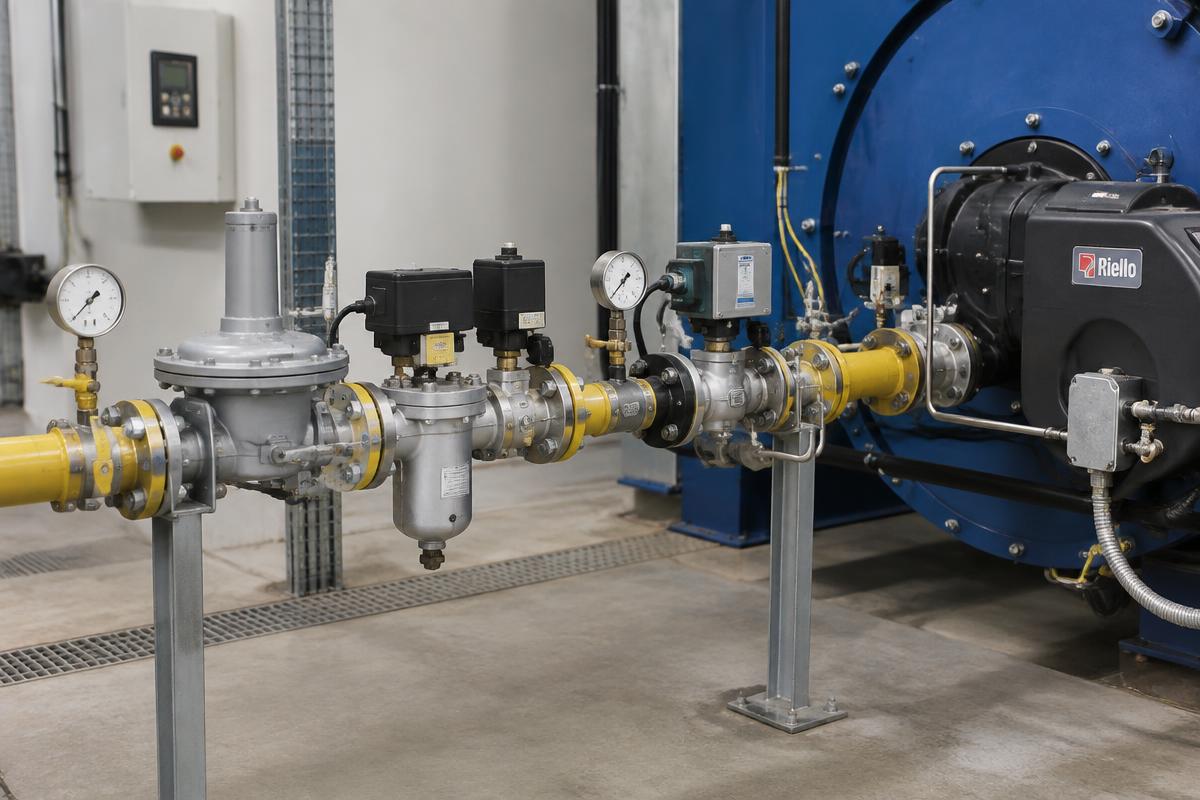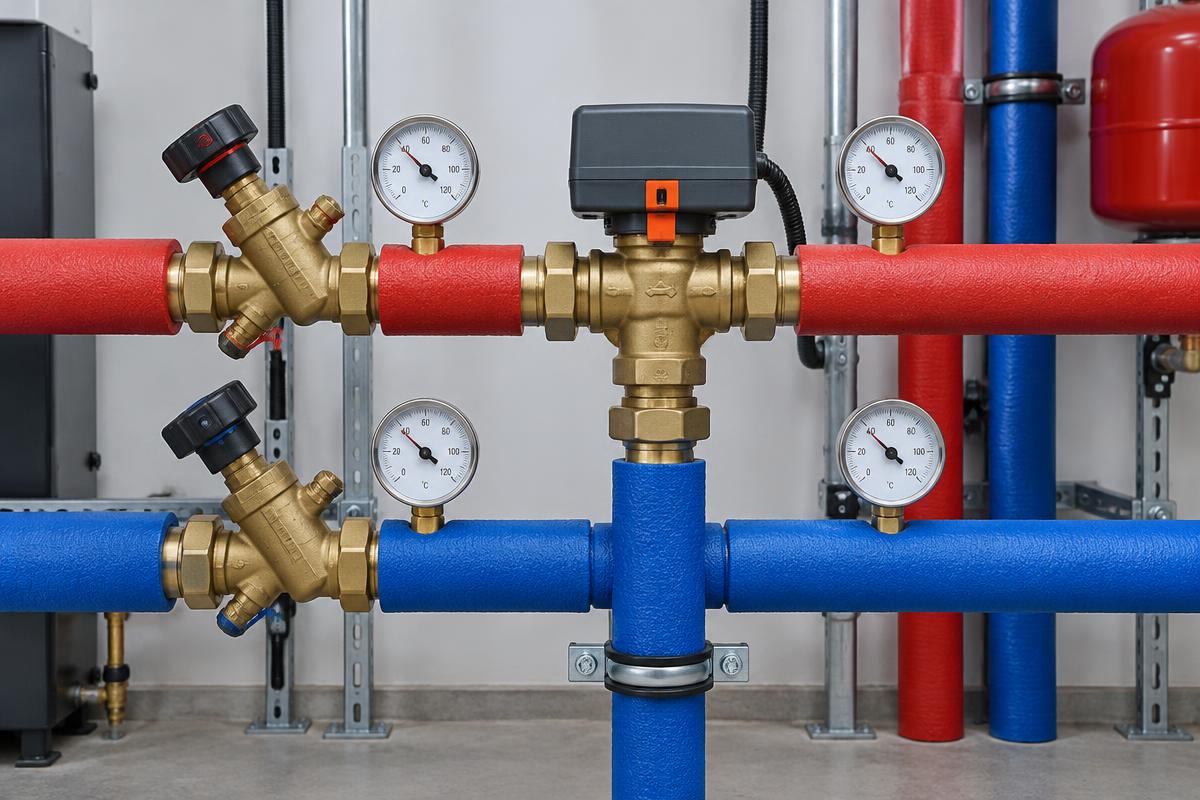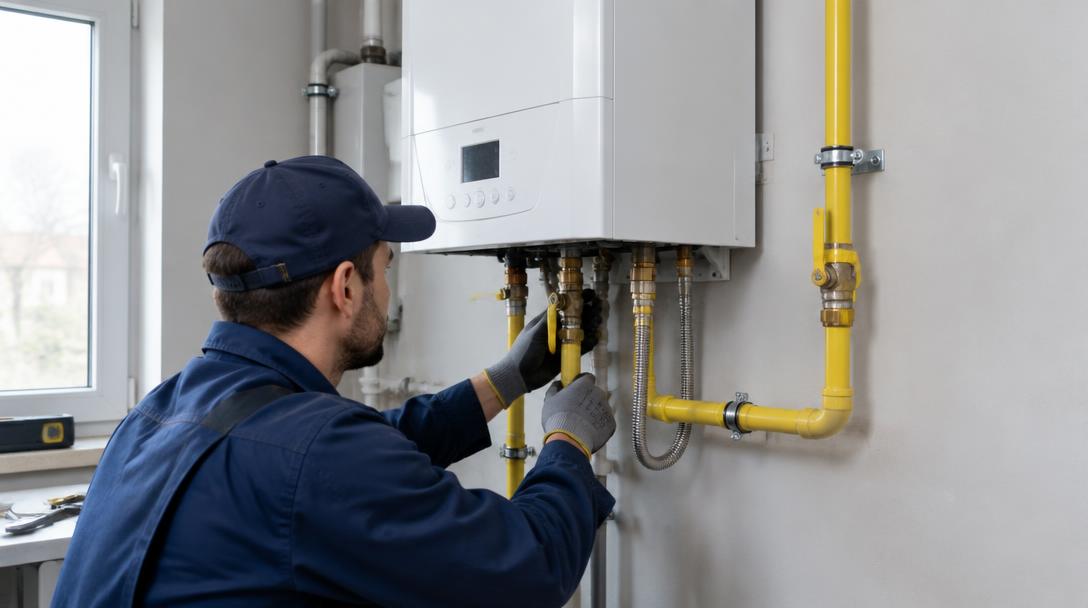
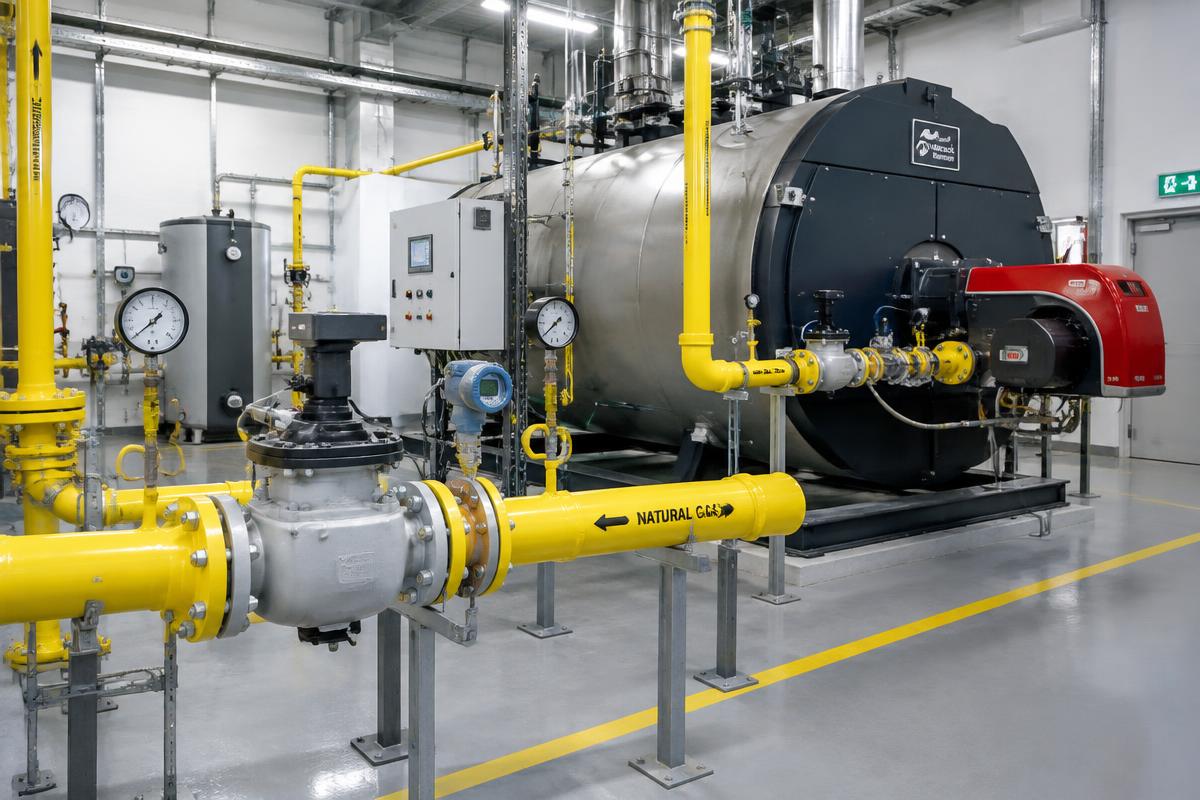
It is not enough for a safety system to be installed. It must be periodically proven that it functions correctly. Proof testing is applied to safety valves, pressure switches, interlocks, ESDs, and other critical elements.
What is a proof test?
It is a controlled test in which a condition is simulated or a function is checked to verify that the system reacts as intended.
Pressure switch example
It is verified that the contact changes state in the correct range and that the BMS or PLC recognizes the signal and initiates the intended action.
Safety valve example
It is checked that the valve closes when a trip command is given and that its actual mechanical status matches the feedback, where available.
Partial and full stroke
In some installations, different types of tests may be used. The choice depends on the design and the required safety level.
Recording results
Date, instrument, method, setpoint, actual result, and any deviations must be recorded. This allows for the identification of gradual degradation before an actual failure occurs.
After the test
All bypasses, temporary jumpers, and test modes must be removed and the system returned to its normal state. This step is critical to ensure no protection remains bypassed.