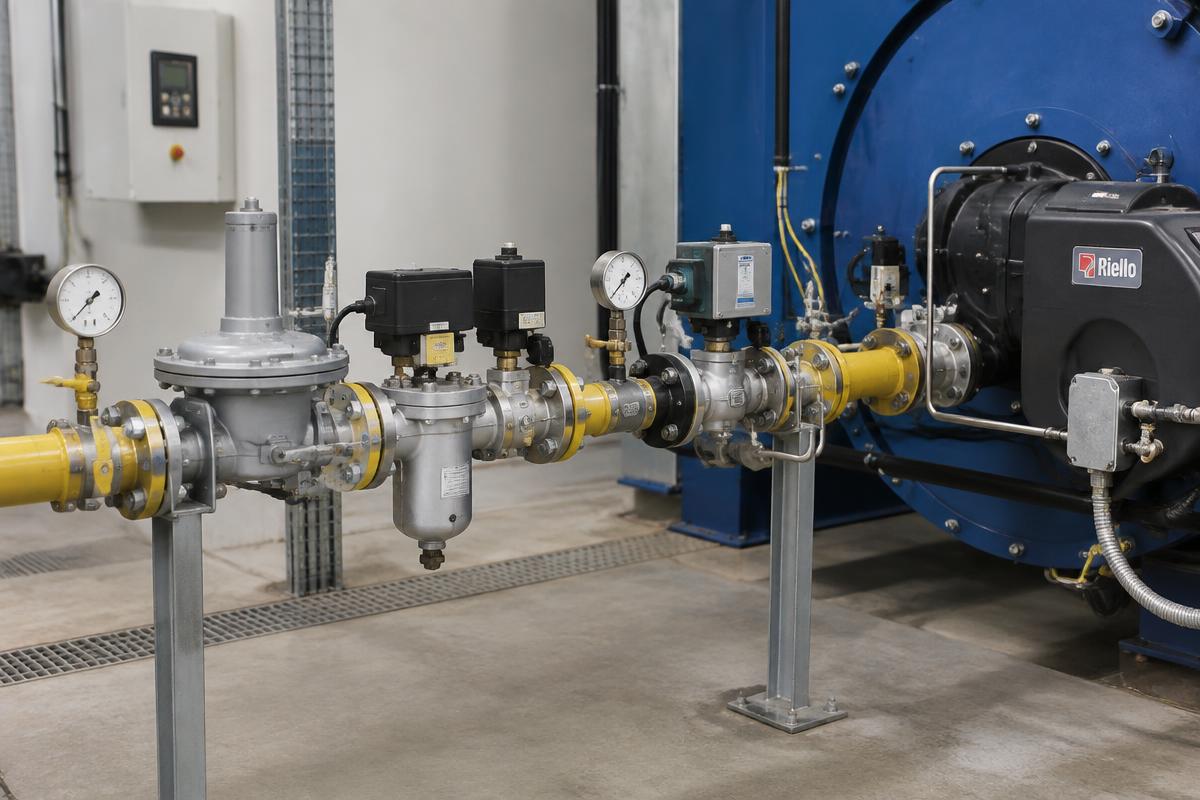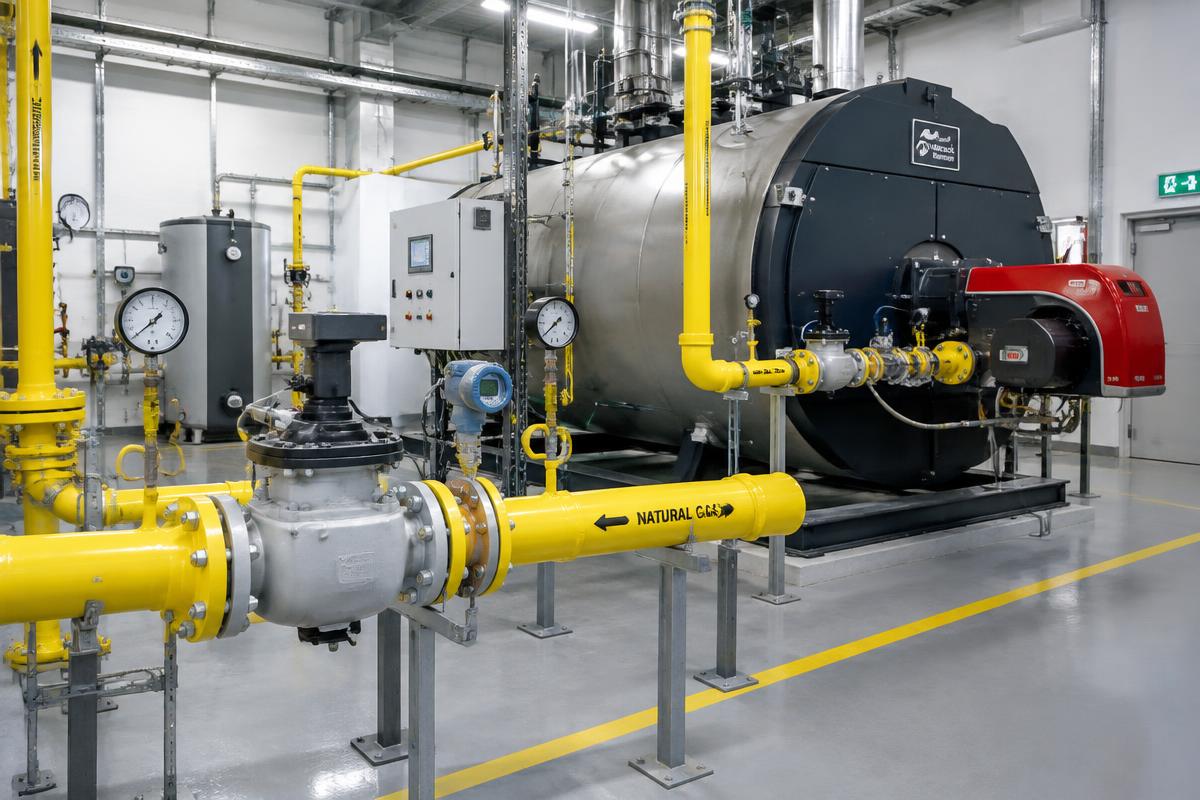
The slam-shut is an independent safety valve that mechanically cuts off the gas supply when pressure goes outside predetermined limits. It is not simply a regulator and does not replace the burner solenoid valves. It constitutes a separate layer of protection.
When it activates
Depending on the type, it can monitor overpressure, underpressure, or both conditions. When the pressure reaches the trip limit, the mechanism releases and the valve closes rapidly, isolating the downstream installation.
Why independent protection is needed
If the main regulator fails, the output pressure can rise dangerously. The slam-shut is designed to operate independently of normal regulation, limiting the possibility of unacceptable pressure being transferred to subsequent components.
Manual reset
After activation, many slam-shut valves do not reset on their own. Manual reset is required only after the cause of the trip has been identified and corrected. Resetting without diagnosis may simply cause a new trip.
Difference from a pressostat
A pressostat changes an electrical contact and the automation system decides on the shutdown. A slam-shut mechanically closes the flow. The two devices can coexist because they perform different safety functions.
Common causes of a trip
Regulator failure, sudden changes in inlet pressure, incorrect settings, pulse line issues, or network interventions can activate the valve. This is why it is important to record the actual pressure rather than assuming the valve is "stuck".
Testing and maintenance
Trip and reset tests are performed according to the manufacturer's procedures and installation requirements. The setting should not be changed arbitrarily to stop a recurring alarm.
Important: The slam-shut is a safety device. Maintenance must be performed by a qualified technician with the appropriate instruments and with a full tightness check after the work.