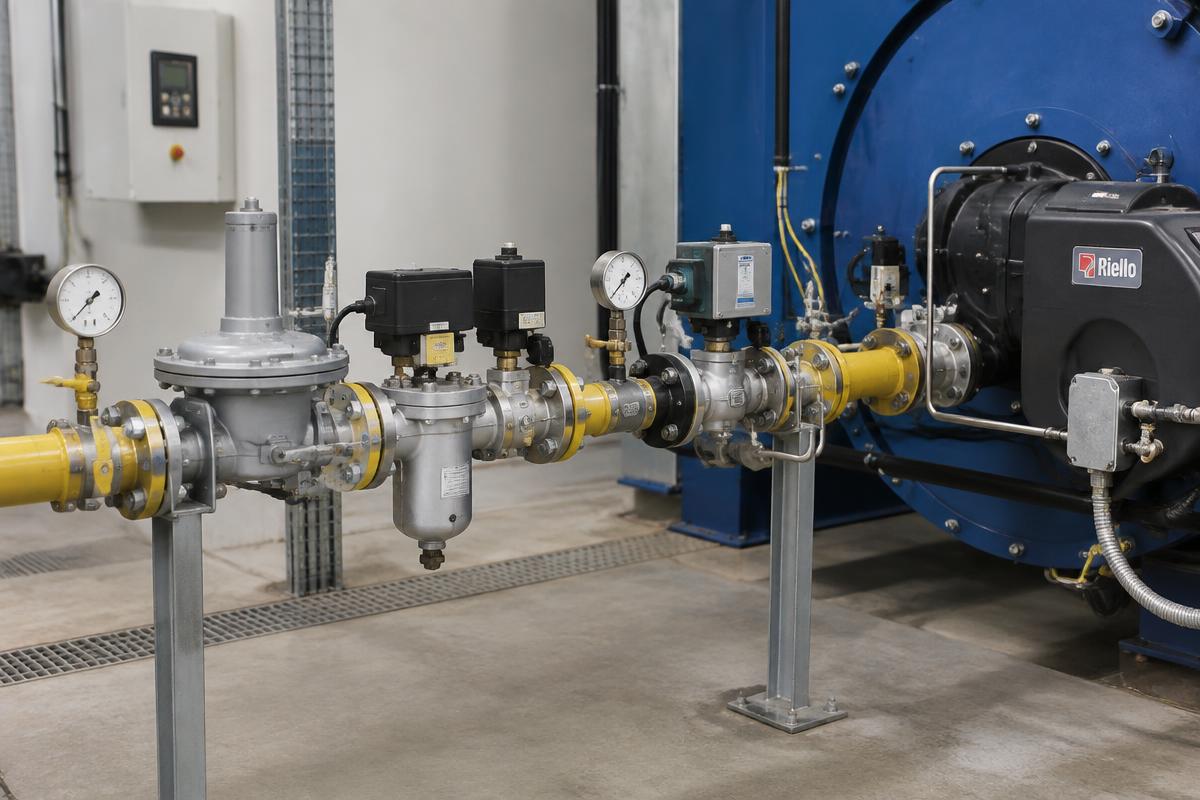
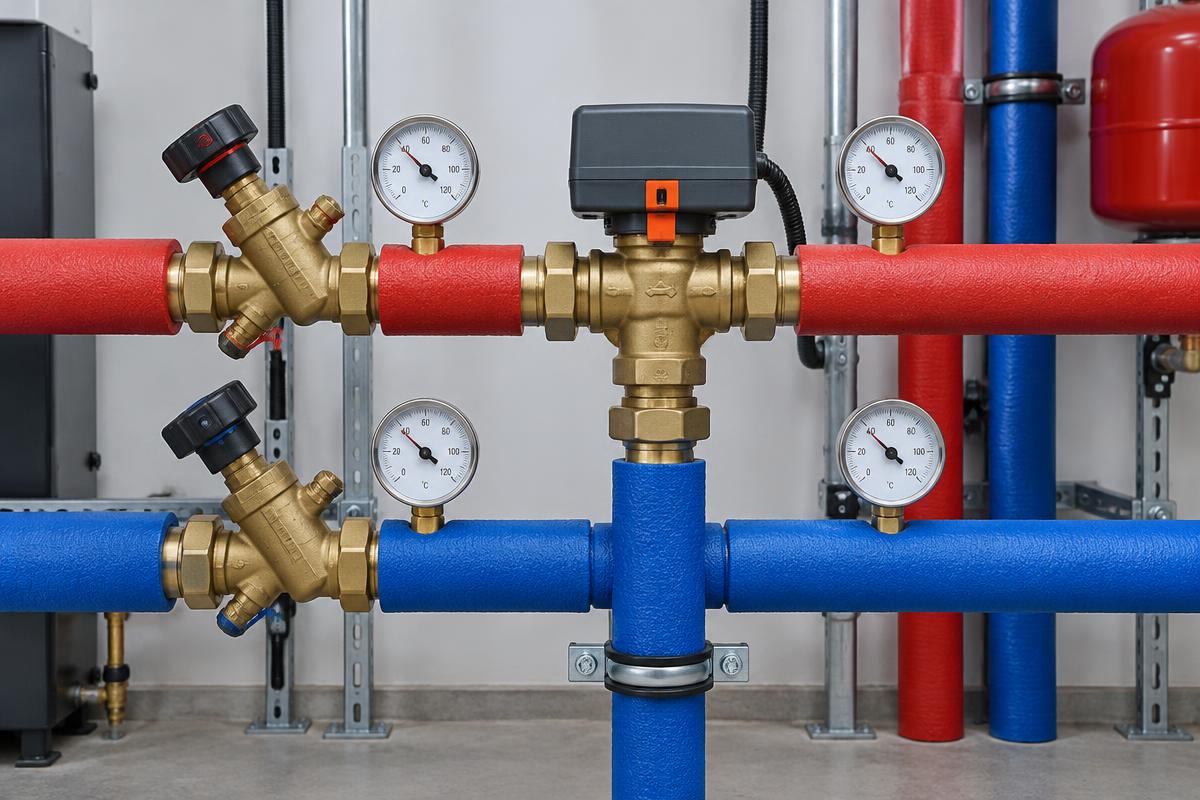
The setpoint of a pressure switch is only one part of its actual behavior. For proper diagnosis, one must also understand the reset differential, known as hysteresis. Without this knowledge, a pressure switch may be incorrectly considered 'unstable' or 'faulty'.
What is a setpoint
The setpoint is the pressure value around which the pressure switch changes its electrical state. In low-pressure switches, it is used to confirm a minimum acceptable level. In high-pressure switches, it is used to detect when a maximum threshold is exceeded.
What is hysteresis
A pressure switch usually does not toggle in one direction and return at the exact same pressure. The difference between the actuation point and the reset point is called hysteresis or switching differential.
Why a differential is needed
If there were no differential, small fluctuations around the setpoint could cause constant contact toggling. Hysteresis stabilizes operation and prevents rapid on/off cycling.
Operational example
A pressure switch may change state when pressure rises above a threshold and only reset when the pressure drops lower by a specific difference. Exact behavior varies by model and must be confirmed by the datasheet.
How it affects diagnosis
If a technician looks only at the dial reading and expects switching at the exact same value in both directions, they might incorrectly conclude that the pressure switch is out of calibration. Testing must record both the actuation point and the reset point.
Problems when the setpoint is too close to normal pressure
In an installation with normal small fluctuations, a setpoint placed without sufficient margin can cause unwanted trips. The solution is not arbitrary adjustment, but checking the burner requirements, actual dynamic pressure, and manufacturer instructions.
When to suspect a pressure switch problem
Suspicion arises when the switching point deviates significantly from the specified value, when the contact fails to reset, when it shows interruptions, or when the result is not consistently repeatable in successive tests.
Correct technical approach
We use a reliable manometer/pressure instrument, change the pressure in a controlled manner, and simultaneously monitor the electrical contact. The values are compared with the manufacturer's data. The setpoint should not be changed to 'hide' a supply or regulator problem.
Understanding hysteresis is particularly important in industrial burners where even brief fluctuations can affect the startup sequence.