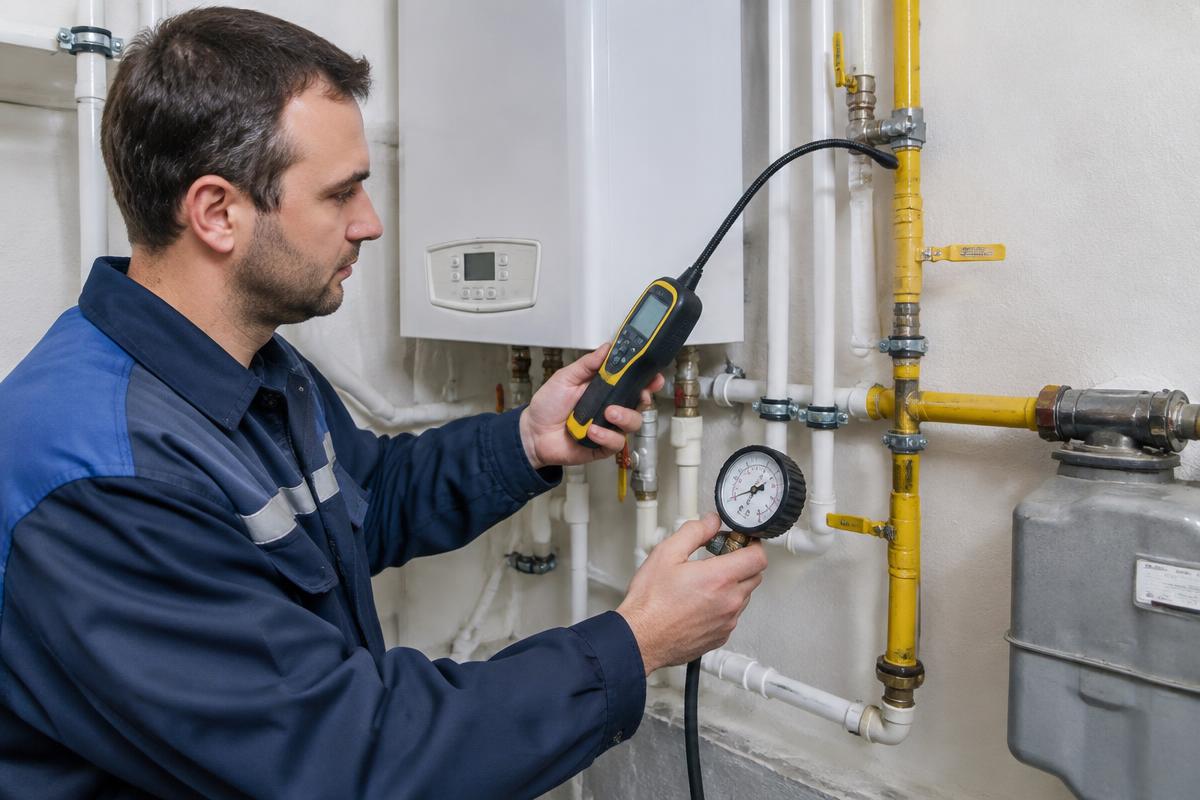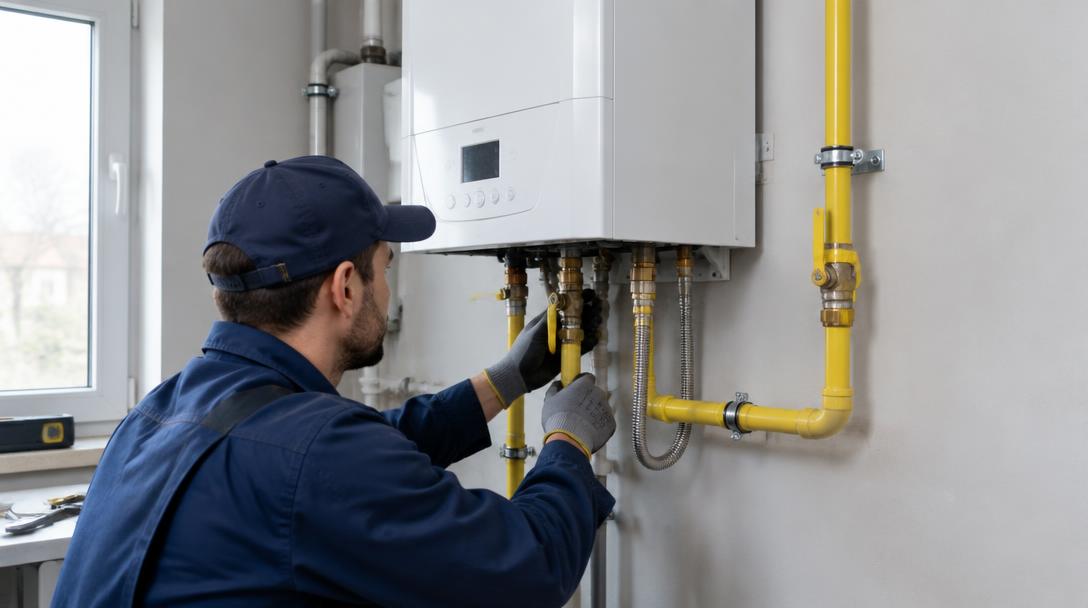
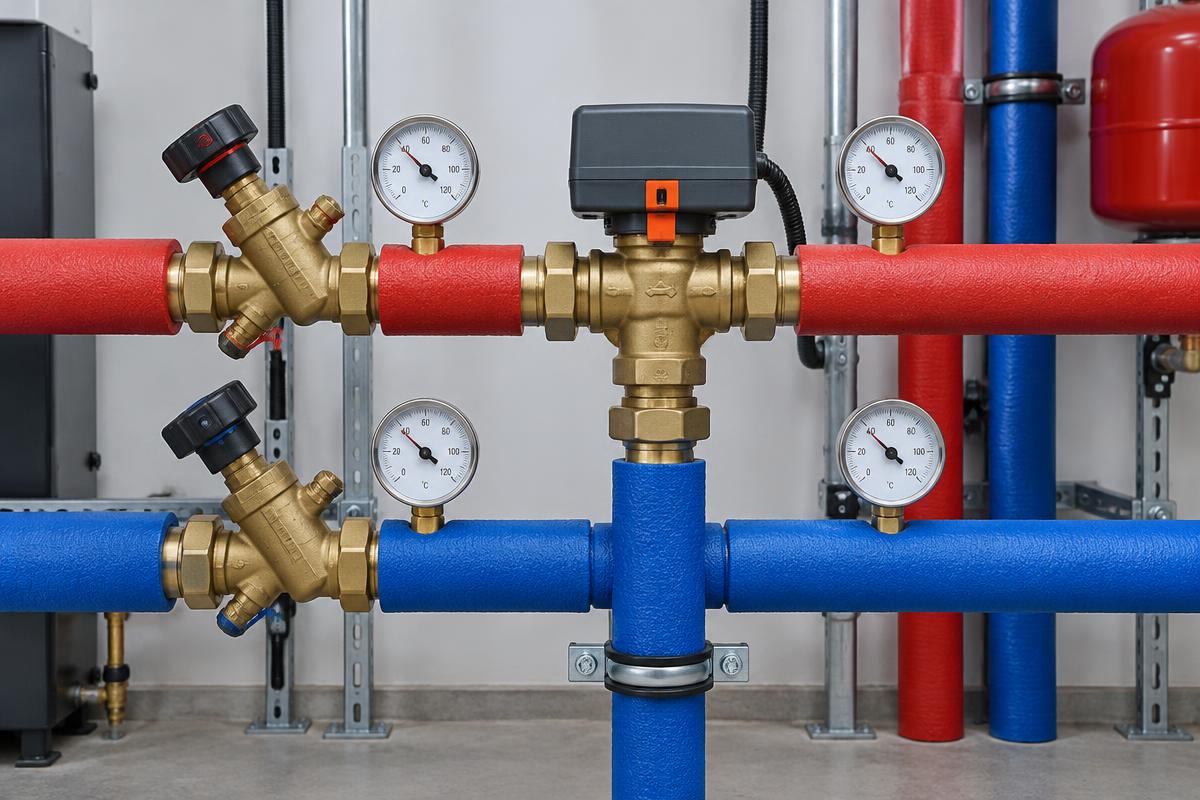
Three alarms may occur in quick succession but have entirely different causes: low gas pressure, valve proving system failure, and flame failure. Proper diagnosis begins with the stage of the sequence at which the burner stops.
Low Gas Pressure
This means that the automation system is not receiving the required signal from the low-pressure switch or loses it during operation. Factors to examine include actual pressure, dynamic drop, filter, regulator, impulse line, setpoint, and electrical contact.
Valve Proving / Tightness Control
This alarm appears during the tightness control phase. The system evaluates whether the valves correctly isolate the controlled volume. Possible causes include valve seat leakage, pressure sensor issues, incorrect timing, or improper pressure change during the test.
Flame Failure
In this case, the sequence has proceeded to the ignition attempt or normal operation, but the system does not confirm a stable flame. The cause may be related to gas supply, ignition, combustion air, ionization electrode, or another flame detection system.
Timing is Key
If the burner stops before the command is given to the main valves, we focus on permissives. If it stops during valve proving, we focus on the tightness system. If the valves open and there is an attempt at ignition, we examine the flame creation and detection chain.
Why one alarm can be a consequence of another problem
Low dynamic pressure may ultimately appear as a flame failure if the pressure drops after the valves open. That is why the alarm title alone is not enough; the sequence and actual measurements must be examined.
Practical Method
We record: the last successful step, the next step that did not complete, the pressure at that moment, the status of the valves, and the flame signal. This quickly narrows down the troubleshooting area.
Conclusion: diagnosis is based on the logic of the sequence and not on randomly replacing components.