Introduction to Electrical Faults: The Invisible Threat
The electrical installation is the nervous system of every modern home in Greece. Although we take electricity for granted, the wear and tear of time, poor workmanship, or overloading of circuits can lead to serious faults. As technicians, we often see how a small sign, if ignored, can escalate into a fire or electrocution. In this article, we will analyze how to recognize danger signs and exactly where the red line lies that an amateur should not cross.
Critical Signs of Electrical Problems
Prevention starts with observation. Most electrical faults give warning signs before the total collapse of the system.
Flickering Lights
If the lights flicker when a high-energy appliance is turned on (e.g., the washing machine or air conditioning), this usually indicates a voltage drop or loose contacts in the electrical panel. In Greece, with older networks, loose connections on the phases or neutral are the number one cause of arcing (sparking).
Smell of Burning or 'Fishy' Odor
If you smell something that resembles burning plastic near sockets or the panel, the situation is urgent. This odor comes from the overheating of cable insulation. It is often due to poor contact (a loose screw) that creates resistance and develops temperatures above 100°C.
- Blackening around sockets: A sign of internal arcing.
- 'Buzzing' or 'cracking' sounds: Often heard from switches that have worn out internally.
- Hot sockets or switches: No socket should be hot to the touch, even if it is powering an appliance.
The Role of the Residual Current Device (RCD)
The Residual Current Device (RCD) is the most important safety device. If the RCD trips frequently, do not try to 'bypass' it or tape it down. Its tripping means that there is a current leakage somewhere toward the ground or a person.
Common causes of RCD tripping in Greece include:
- Moisture in outdoor lighting or balcony sockets.
- Fault in the heating element of the water heater or electric stove.
- Worn insulation on old 'loop' type (single-core) cables inside the walls.
What You Should NOT Do Yourself
There is a misconception that 'it's just a wire, I'll connect it'. Electricity does not forgive mistakes. The following tasks require a licensed electrician exclusively:
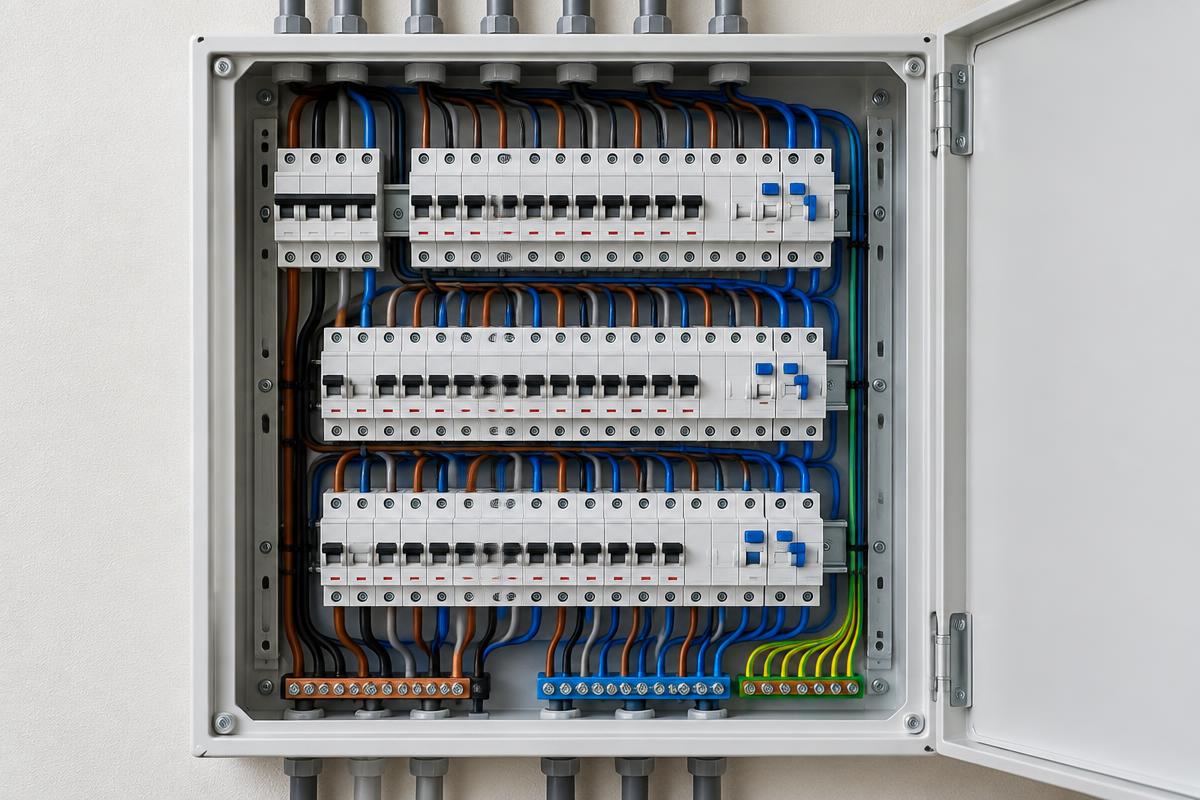
1. Interventions on the Electrical Panel
The panel is the heart of the installation. Replacing a fuse with a larger one (e.g., from 10A to 16A) without checking the cable cross-section can lead to a fire inside the wall, as the cable will overheat before the fuse trips.
2. Water Heater Repair
The combination of water and electricity is deadly. Changing a heating element or thermostat requires proper sealing and confirmation of grounding. A wrong connection can make the water in the shower conductive.
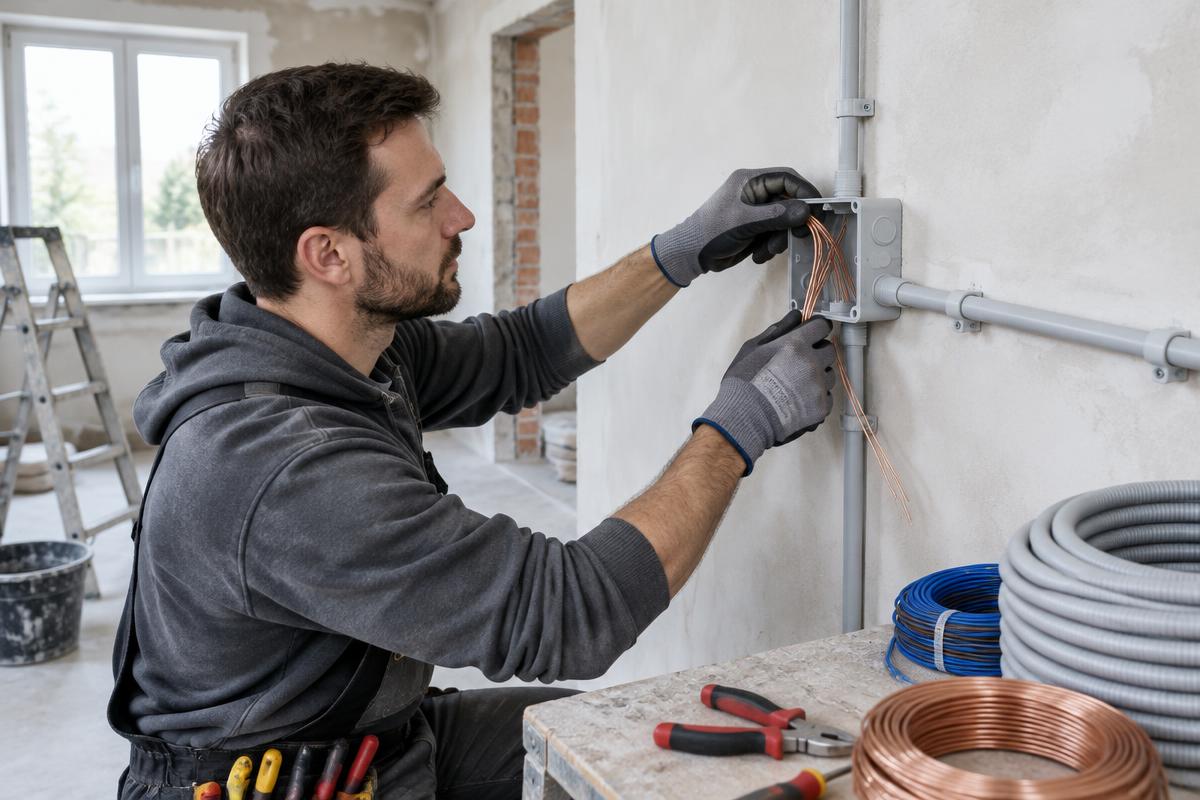
3. Installation of New Lines
Adding a new line for a 24,000 BTU air conditioner requires load calculation and the correct choice of fuse and cable (usually 3x2.5mm²). The amateur often takes power from the nearest socket, overloading the existing line.
When to Call a Professional Technician
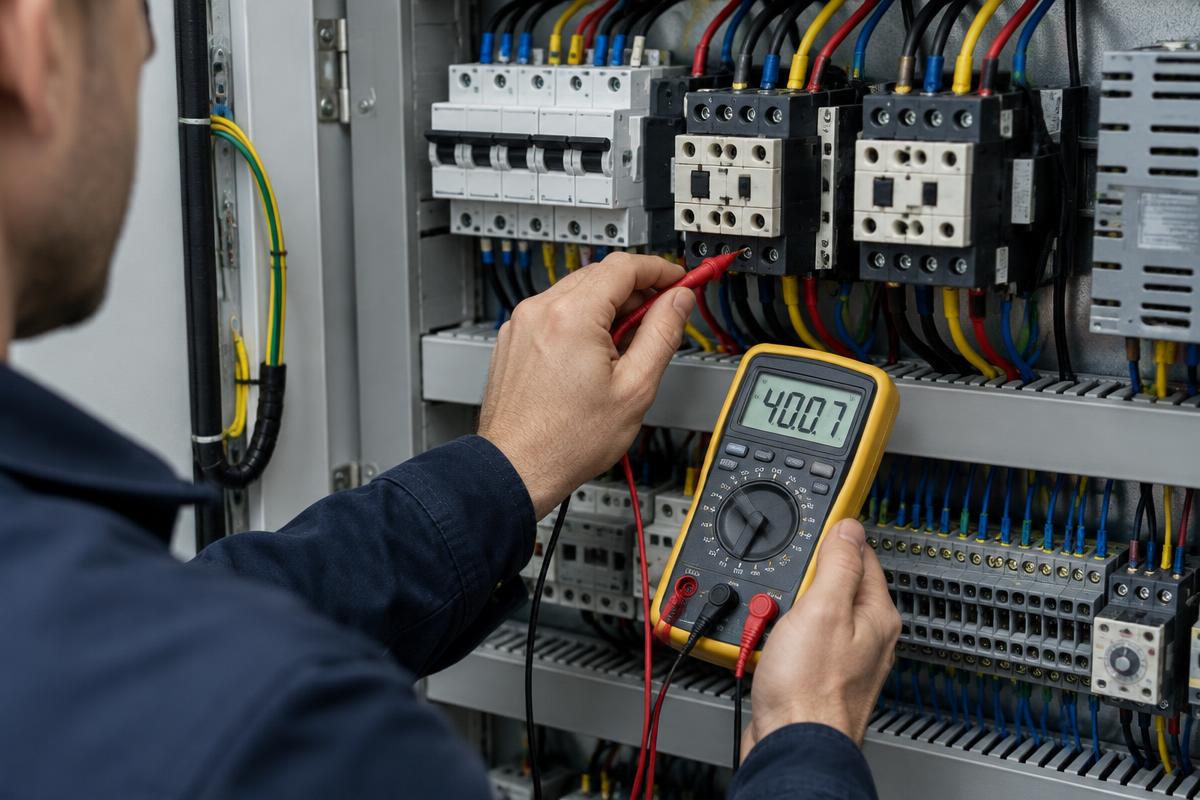
Beyond obvious faults, periodic maintenance is necessary. According to legislation and ELOT HD 384, residences must be checked at least every 10 years. Call a technician if:
- The house is over 30 years old and there has never been a renovation on the panel.
- Fuses trip for no apparent reason.
- You want to install sensitive electronic devices and fear surges.
- There is no grounding conductor in all sockets (common in old Athenian apartments).
Frequently Asked Questions (FAQ)
Why does the fuse trip when I turn on the oven and the air conditioner together?
This happens due to overloading the general fuse or a specific line. It means the power demand exceeds the rated power that your installation or the contract with the provider can handle (e.g., single-phase 8kVA supply).
Is it dangerous if the socket sparks when I plug in the cord?
A small spark at the moment of connection may be normal for devices with capacitors (e.g., laptop power supplies). However, if the spark is accompanied by a sound or if the socket has signs of burning, it must be replaced immediately.
Can I change a light switch myself?
Although it is considered a simple task, it poses risks if you do not know which is the phase and if you have not turned off the main circuit breaker. Poor tightening of the wires on the new switch is a common cause of future failure.
What does the 'Test' button on the RCD do?
This button simulates a leakage to check if the mechanism is working. You must press it at least once every six months. If the RCD does not trip when you press it, your installation is unprotected and the switch must be changed the same day.
Conclusion
Electrical installation safety is no place for experimentation. Recognizing signs like strange odors, flickering lights, and the proper functioning of the RCD can save lives and property. Trust only certified electricians for interventions on the panel and heavy appliances, ensuring that your home remains functional and safe.