Introduction to Heat Pump Technology
The heat pump is currently the most efficient solution for heating and cooling homes in Greece. Despite the high initial installation cost, its ability to extract energy from the environment (air) makes it unrivaled compared to traditional boiler systems. In this article, we will analyze, using technical terms and real data, the electricity consumption and the time required for the investment's payback.
How is Monthly Electricity Consumption Calculated?
The consumption of a heat pump is not constant but depends on the Seasonal Coefficient of Performance (SCOP). Unlike electric heaters that have a 1:1 efficiency, a modern heat pump can deliver 3 to 4.5 units of thermal energy for every 1 unit of electricity it consumes.
The role of SCOP and external conditions
The SCOP index is directly influenced by:
- External temperature: The lower the ambient temperature, the lower the efficiency.
- Water flow temperature: If the pump supplies underfloor heating (35°C), it consumes much less electricity than if it supplies classic panel radiators (55°C-65°C).
- Building insulation: A house with losses of 10,000 kWh per year will require twice the consumption of an energy-upgraded house.
Real Consumption Example in Greece
Let's assume a typical 100 sq.m. residence in Attica (Climate Zone B) with moderate insulation. Thermal needs for winter are estimated at approximately 8,000 kWh of thermal energy.
- Average monthly thermal demand (December - February): 1,600 kWh.
- Average system SCOP: 3.2 (for radiators).
- Monthly electricity consumption: 1,600 / 3.2 = 500 kWh.
- Electricity cost: With an average price of 0.16€ per kWh (including regulated charges), the cost amounts to 80€ per month.
In extreme cold conditions in Northern Greece, consumption may increase by 30-40%, as the pump will operate more intensively and auxiliary heaters may be activated.
Cost Comparison: Heat Pump vs. Oil & Natural Gas
The comparison is decisive for system selection. With current energy prices in the Greek market:
- Heating Oil: At a price of 1.30€/liter and a boiler efficiency of 90%, the cost per thermal kWh is approximately 0.145€.
- Natural Gas: At a price of 0.07€/kWh and a boiler efficiency of 95%, the cost is approximately 0.074€.
- Heat Pump: With 0.16€/kWh of electricity and a SCOP of 3.5, the cost per thermal kWh is just 0.045€.
The heat pump offers savings of over 60% compared to oil and approximately 35-40% compared to natural gas.
Investment Payback Calculation
The purchase and installation cost of a quality heat pump (medium temperature, 9-12kW) ranges from 6,000€ to 9,000€, depending on connection works. If the house used 1,500 liters of oil annually (cost ~1,950€) and now consumes 4,500 kWh of electricity (cost ~720€), the annual savings are 1,230€.
Payback Period
Without subsidies, the payback is achieved in approximately 5 to 7 years. However, with programs like "Exoikonomo" (Save), where the subsidy can reach 60-80%, the payback period is impressively reduced to 2 to 3 years. It is important to factor in that the heat pump eliminates the fixed natural gas charges and the need for burner/chimney maintenance.
Frequently Asked Questions (FAQ)
1. Do I need to change my radiators?
Not necessarily. There are high-temperature heat pumps (up to 75-80°C) that work perfectly with existing classic radiators. However, efficiency is maximized in low-temperature systems.
2. How much noise does the external unit make?
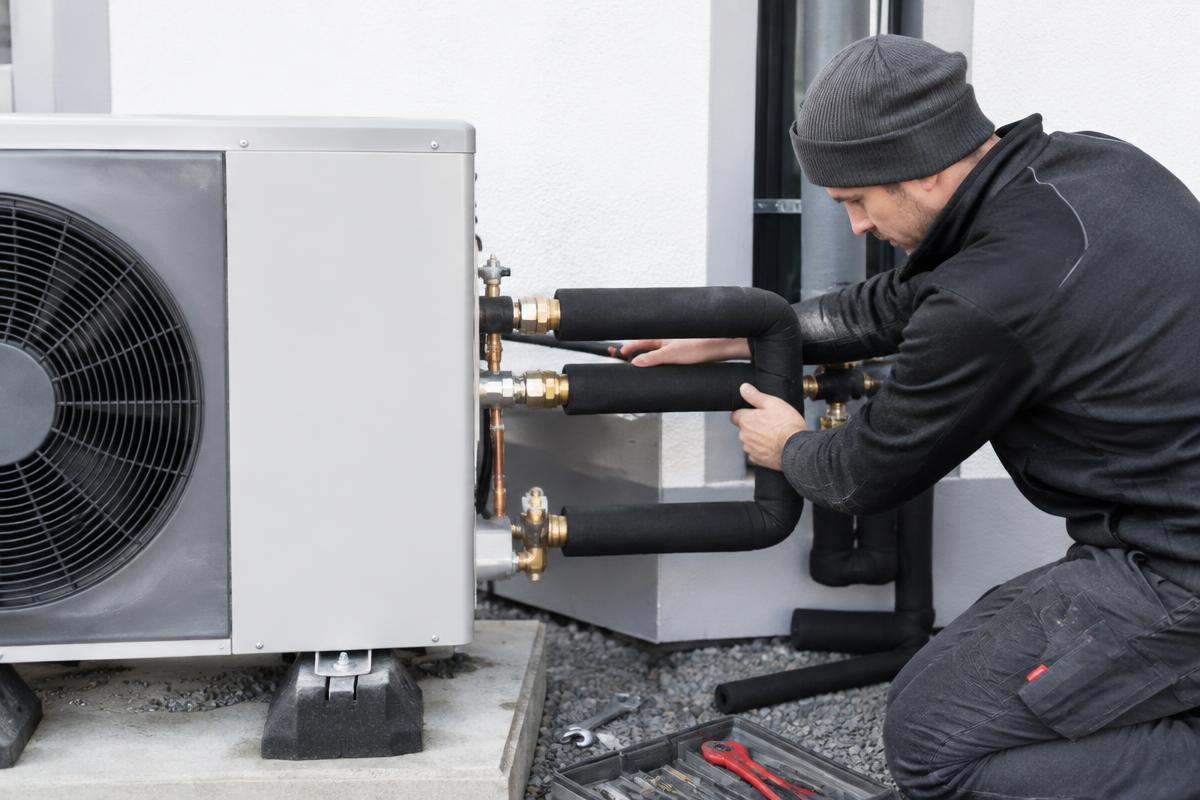
Modern inverter units from reputable manufacturers operate at noise levels of 45-55 dB, similar to a standard air conditioner. Proper installation on anti-vibration mounts is key to silence.
3. Does the heat pump work in polar temperatures?
Yes, most pumps operate down to -20°C or even -25°C. The efficiency (COP) drops, but the house stays warm. In Greece, such temperatures are rare and short-lived.
4. What maintenance is required?
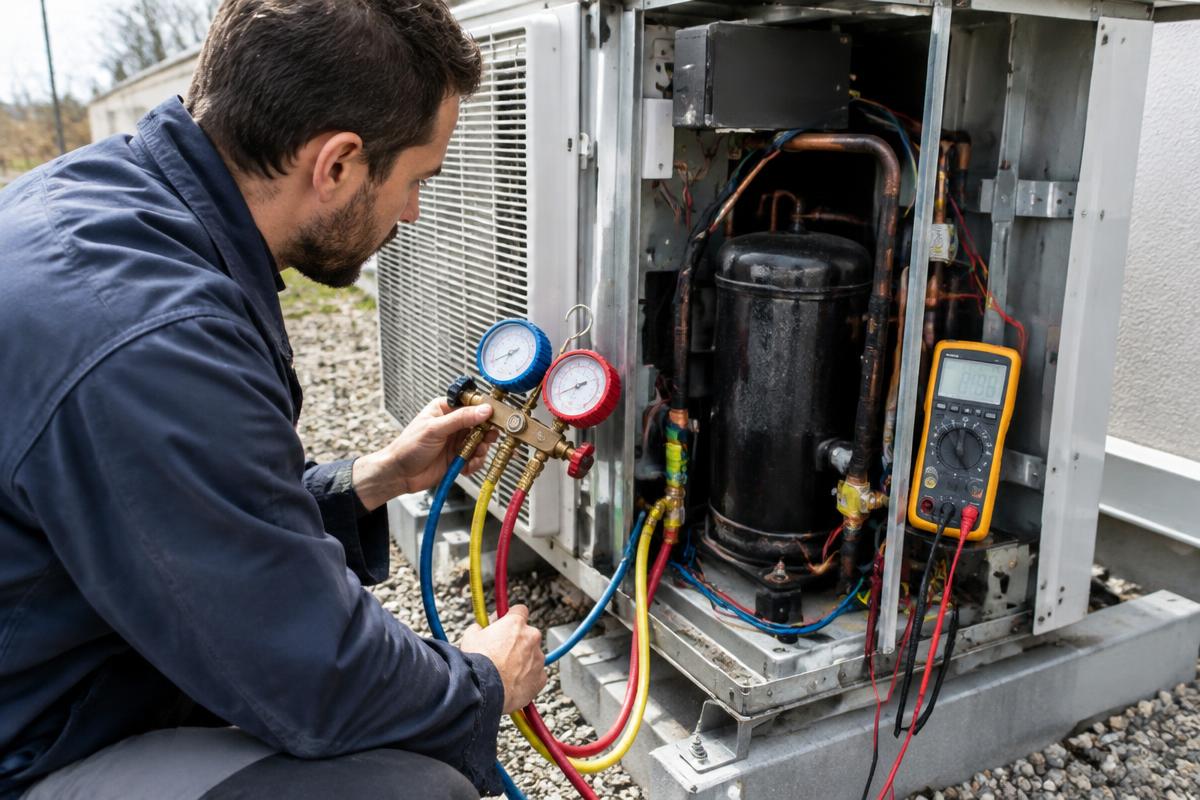
Maintenance is simple and includes cleaning the external unit coil, checking water filters, and checking the network pressure. It must be done once a year by a specialized refrigeration technician.
Conclusion
The heat pump is not just an alternative, but the most economically and environmentally advantageous choice for Greek homes. Although the initial expenditure seems high, the low monthly consumption and rapid payback – especially through subsidized programs – make it the top investment for every owner seeking energy independence and thermal comfort.