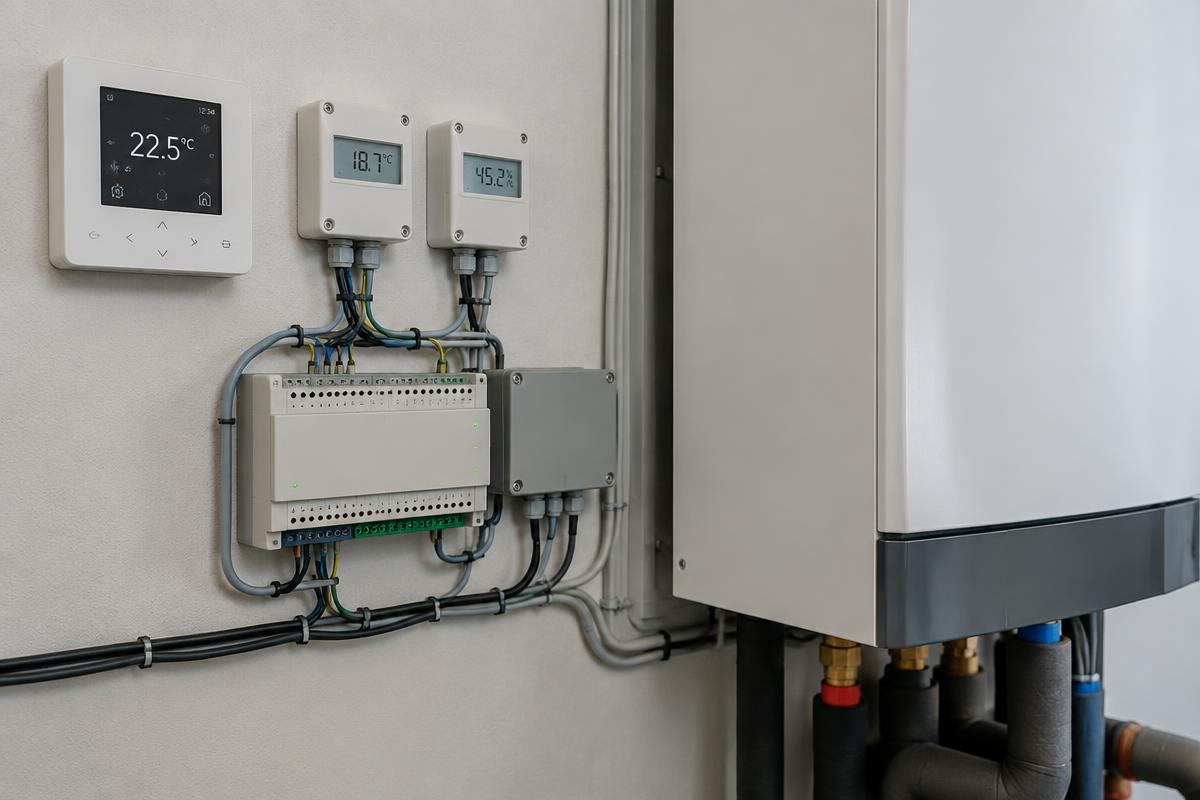
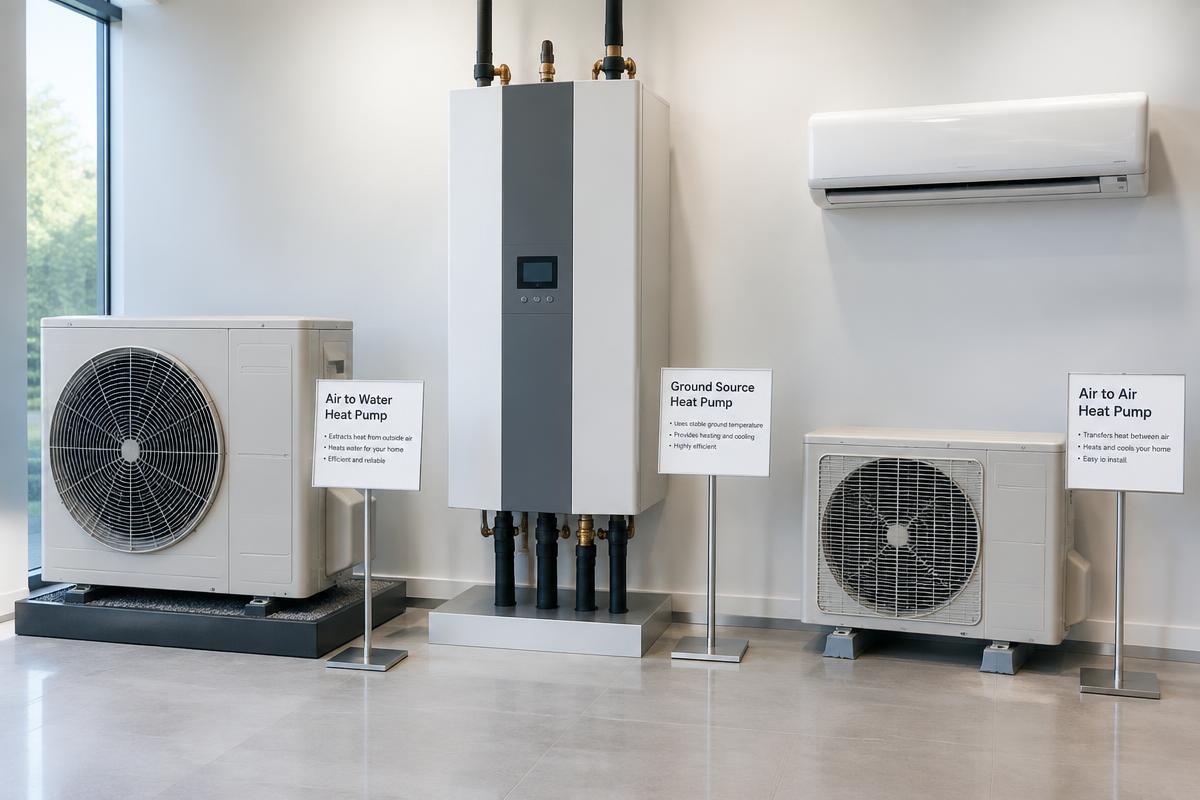
Introduction to modern heating
Energy upgrading of a home is now a priority for every homeowner in Greece, especially with the volatility in fossil fuel prices. The two leading technologies that promise a drastic reduction in operating costs are the air-to-water heat pump and the geothermal heat pump. Although they share the same basic operating principle—transferring heat rather than producing it through combustion—their differences in installation, cost, and performance are significant, especially in the Greek climate.
Air-to-water heat pump: The practical solution
The air-to-water heat pump extracts energy from the outside air and transfers it to the water in the heating system (radiators, underfloor heating, or fan coils). In Greece, this solution has gained the largest market share.
Advantages
- Easy installation: No excavations required. The outdoor unit is placed on a balcony, roof, or in the garden.
- Lower initial cost: A quality 10-12kW unit typically costs between €5,000 and €8,000 (excluding labor).
- Flexibility: Ideal for apartment renovations and detached houses in urban settings.
Disadvantages
- Dependence on ambient temperature: The Coefficient of Performance (COP) decreases when the outside temperature drops below 0°C.
- Noise: The outdoor unit includes fans that generate noise, requiring careful placement.
Geothermal energy: Investing in stability
The geothermal heat pump exploits the stable temperature of the ground (approximately 17-19°C in Greece at a depth of a few meters). Energy transfer occurs through a closed circuit of pipes buried in the ground (horizontally or vertically).
Why is it superior in efficiency?
Because the ground has a stable temperature all year round, the geothermal pump never 'strains.' While an air-to-water pump might have a COP of 3.5, a geothermal pump can easily reach 4.5 or 5.0, consuming even less electricity for the same thermal output.
The cost of 'ultimate' heating
The main hurdle is the cost. For vertical geothermal energy (drilling), the cost can exceed €15,000 - €20,000, as it requires specialized contractors, permits from the relevant authorities, and large plots of land.
Performance comparison in the Greek climate
In Greece, mild winters favor air-to-water heat pumps. In areas such as Attica, the Peloponnese, or Crete, the difference in consumption between the two systems is small and often does not justify the payback period of geothermal energy within less than 15-20 years.
However, in Northern Greece (Kozani, Florina, Drama), where temperatures remain below freezing for weeks, geothermal energy is clearly superior. In these conditions, an air-to-water heat pump will often perform defrost cycles, reducing its efficiency and increasing operating costs.
Technical details to consider
Before choosing, consider the following technical points:
- Supply temperature: If you have classic AKAN radiators, you need a high-temperature heat pump (65-75°C). Geothermal systems are ideally combined with underfloor heating (35-40°C).
- Three-phase power: Both systems, especially those over 10kW, usually require a three-phase power supply.
- Maintenance: The air-to-water pump requires annual coil cleaning and coolant checks. Geothermal systems have minimal maintenance on the external circuit, but it is critical that a proper study was conducted so the ground around the pipes does not 'freeze.'
Frequently Asked Questions (FAQ)
1. What is the lifespan of these systems?
A quality air-to-water heat pump lasts 15-20 years. The internal geothermal machine has a similar lifespan, but the underground piping network can last over 50 years.
2. Can I also have cooling in the summer?
Yes, both systems offer cooling. Geothermal energy actually offers the possibility of 'free cooling,' where water simply circulates in the ground without the compressor running, at a minimal cost.
3. Are these systems subsidized?
Of course. Programs like 'Exoikonomo' cover a large part of the cost for both types, making the air-to-water heat pump almost essential in every renovation.
4. Do I need a permit for geothermal energy?
Yes, a permit from the Development Directorate of the local Region is required for the utilization of heat from geological formations, which adds time and bureaucracy to the installation.
Conclusion
For the average homeowner in Greece, the air-to-water heat pump is the most rational choice due to ease of installation and quick payback (5-7 years). Geothermal energy remains the top technical solution, but is geared toward large residences with available space, areas with very harsh winters, or owners aiming for maximum possible energy autonomy with a horizon of many decades.