The quality of drinking water is one of the most significant hygiene issues in every Greek household. Whether dealing with the Athens municipal network, which is generally considered good, or regional towns and islands with high water hardness or contamination from agricultural pesticides, the need for clean water drives many to choose Reverse Osmosis (RO). As technicians, we are often asked if this system is an "overkill" or a necessity.
What is Reverse Osmosis and how does it work?
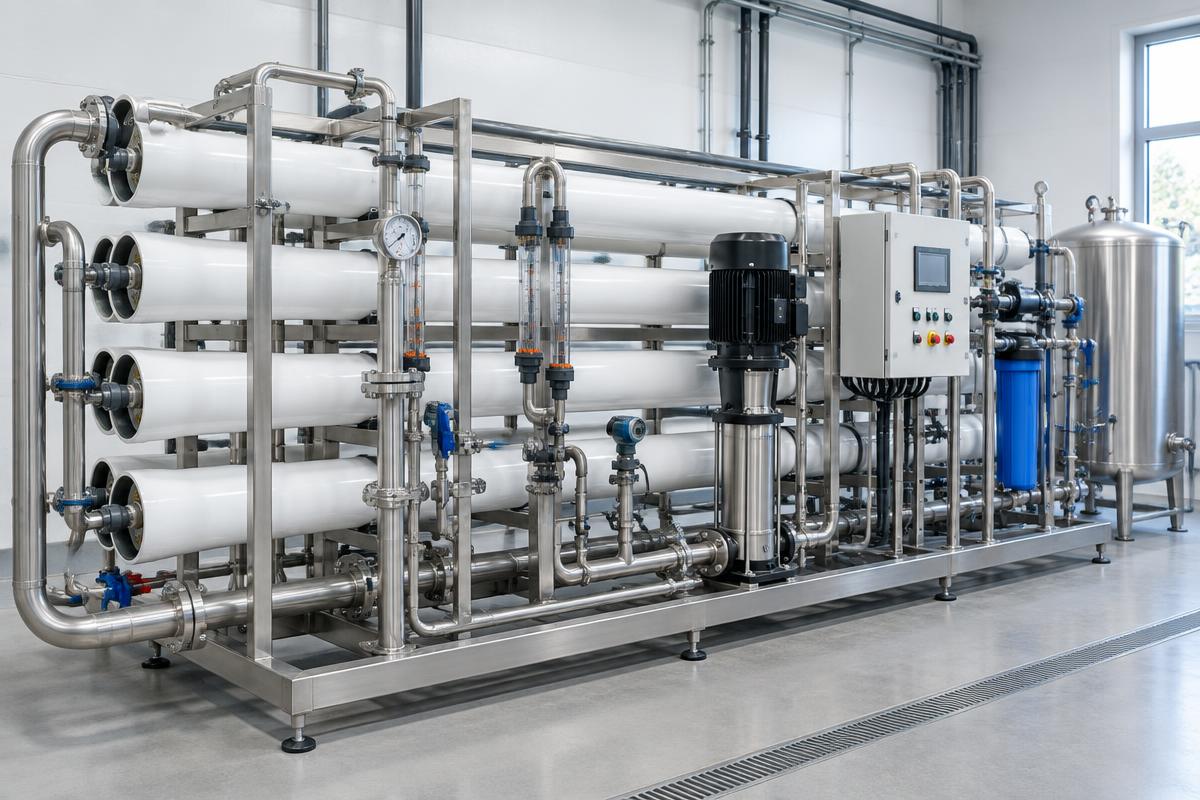
Reverse osmosis is not a simple activated carbon filter, but a comprehensive molecular purification process. In nature, water tends to move from a dilute solution to a concentrated one through a semi-permeable membrane. In RO systems, we reverse this process by applying pressure.
The purification stages
A typical 5 or 6-stage household system includes:
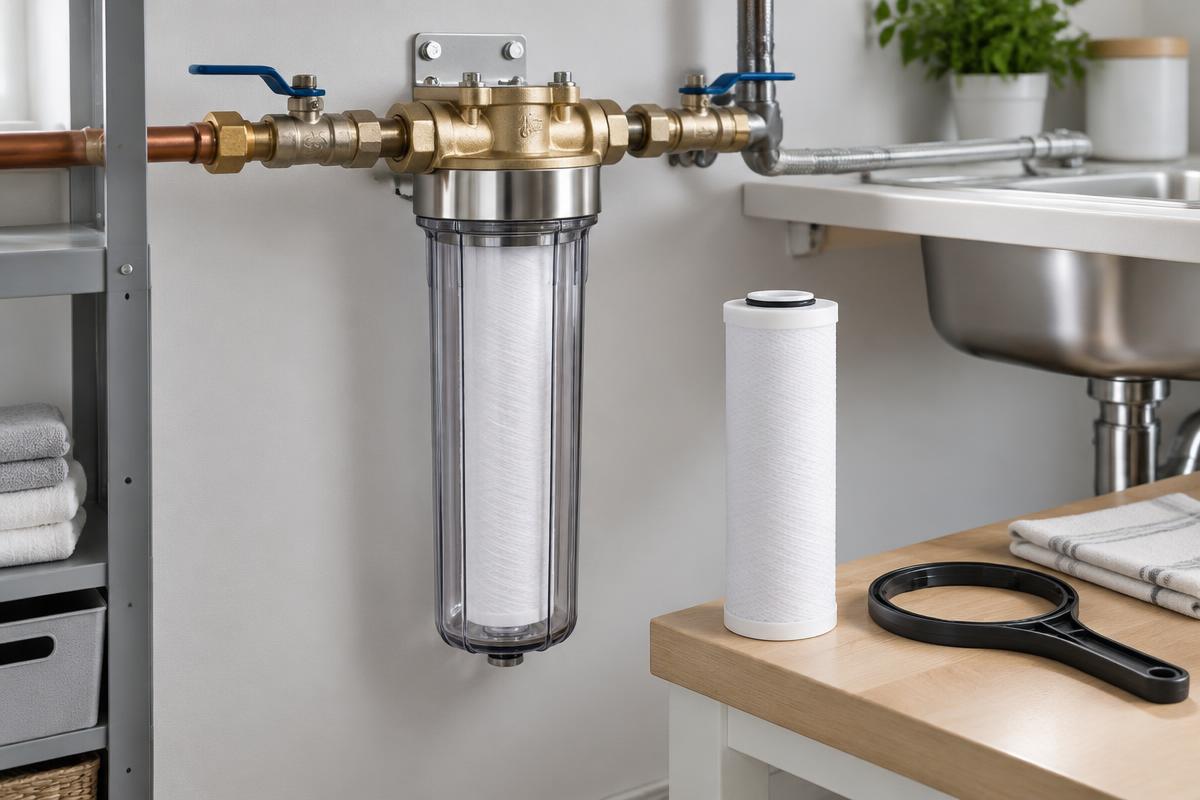
- Sediment pre-filters: Remove dirt, rust, and mud (usually 5 microns).
- Activated carbon filters: Bind chlorine, volatile organic compounds (VOCs), and improve taste.
- Semi-permeable membrane (TFC): The "heart" of the system with 0.0001-micron pores. This is where clean water is separated from salts, heavy metals (lead, arsenic), and microorganisms.
- Post-carbon filter: For final "crispness" in taste before it reaches your glass.
- Remineralization filter: Adds back essential minerals like calcium and magnesium, balancing the pH.
Why choose reverse osmosis in Greece?
In Greece, water problems vary. In Attica, the main issues are aging pipes and heavy chlorination. On islands like Crete, the Cyclades, or in Halkidiki, the problem is "hard" water with high salt and nitrate content.
Reverse osmosis is beneficial because:
- It removes salts: Eliminates scale buildup in kettles and coffee machines.
- It neutralizes nitrates: Crucial for areas with intensive agricultural activity.
- Economy: Eliminates the need to buy bottled water, which, beyond the cost, burdens the environment with plastics.
- Safety: Offers the highest level of protection against viruses and bacteria.
Technical requirements and installation
Before proceeding with a purchase, you must ensure your space meets certain requirements. As technicians, we always check two key factors:
1. Network Pressure
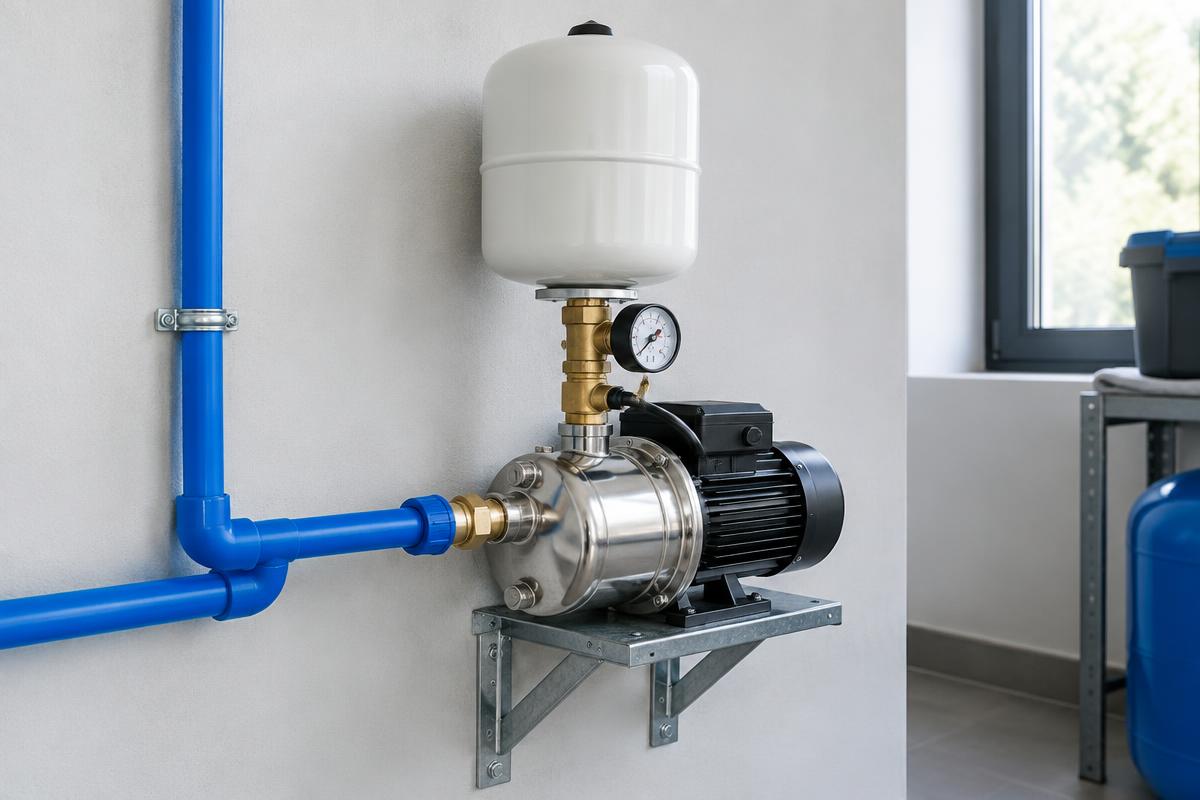
The membrane needs pressure to function (at least 2.8 - 3 bar). If the pressure in your home is low (e.g., on a high floor of an old apartment building), you will need a system with a booster pump. Without the pump, water waste will be excessive, and production will be minimal.
2. Under-counter space
An RO system includes filters and a storage tank of about 8-12 liters. Ensure there is necessary space under the sink and access to a drain, as the system discharges water during the cleaning process.
The critical question: Does it "waste" too much water?
A common misconception is the production-to-waste ratio. Modern household systems have a ratio of approximately 1:2 or 1:3. This means that for every 1 liter of clean water, 2-3 liters are sent to the drain, flushing out the impurities. While it sounds like a lot, the daily consumption for drinking and cooking (about 10-15 liters) is equivalent to one extra toilet flush per day. The cost is negligible compared to the quality it provides.
Maintenance and Cost
The system's reliability depends on consistent maintenance. In Greece, recommended intervals are:
- Pre-filters: Change every 6 months (cost €20-40).
- Membrane: Change every 2-3 years, depending on water hardness (cost €35-60).
- Disinfection: Cleaning the storage tank once a year.
The initial investment for a quality system ranges from €150 to €350, depending on whether it has a pump and additional enrichment stages.
Frequently Asked Questions (FAQ)
Is reverse osmosis water "dead" water?
No, if the system has a remineralization stage. This adds back necessary trace elements and regulates the pH, making the water tasty and healthy.
Can I install it myself?
If you have basic plumbing knowledge and the right tools, it is possible. However, proper sealing and connection to the drain require attention to avoid leaks.
Does it make noise during operation?
Systems without a pump are completely silent. Those with a pump make a slight hum only while filling the storage tank.
Is it suitable for well water?
Yes, it is the ideal solution, provided that a water analysis is done first to see if an additional turbidity filter or iron removal system is required before the RO system.
Conclusion: Is it worth it?
Reverse osmosis is definitely worth it if you live in an area with a degraded network, high salts, or if you want to permanently stop hauling cases of bottled water. It is a technically sound solution that turns tap water into high-quality water, provided the filter maintenance schedule is followed. For the average user, the investment usually pays for itself within the first year of operation.