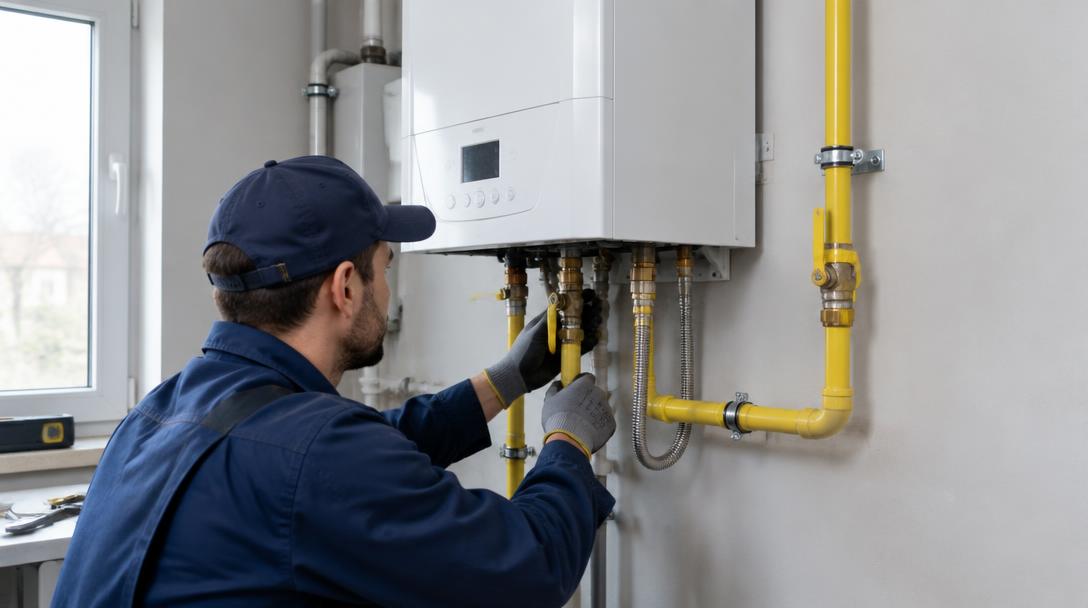
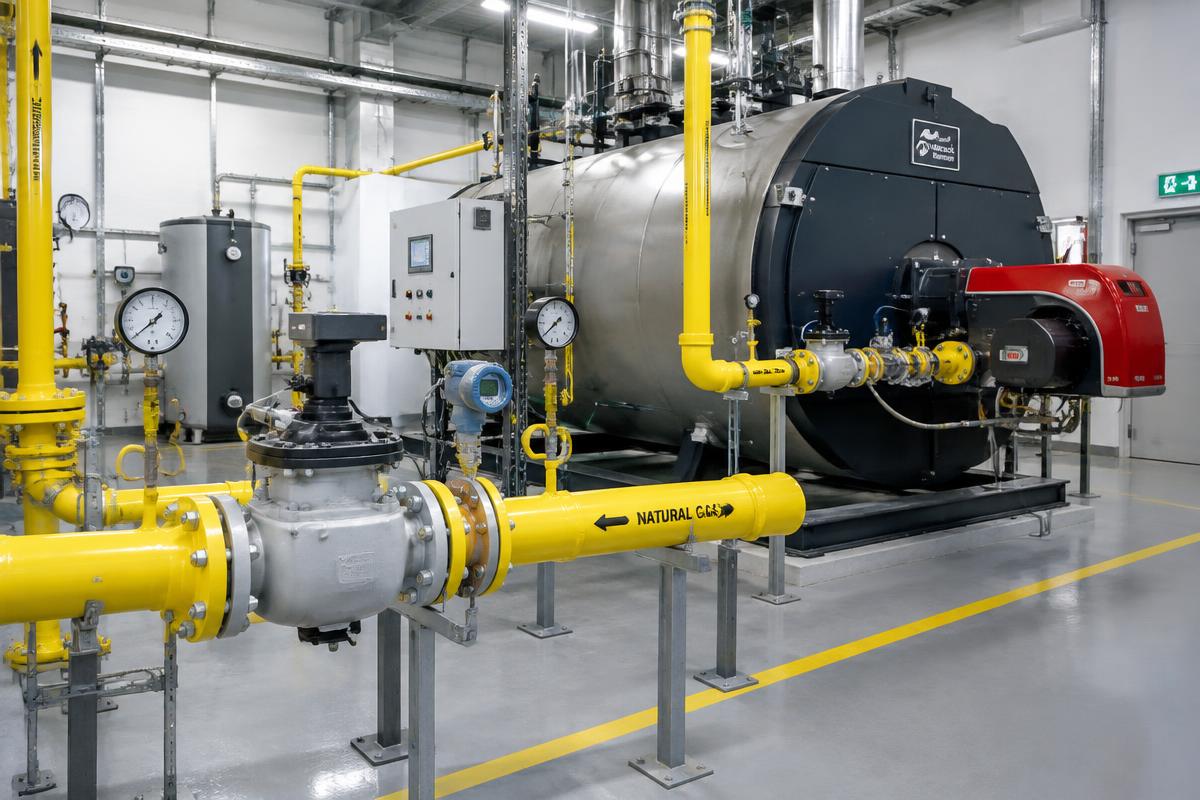
An industrial natural gas network is often considered "clean," but in practice, particulates, corrosion products, or other impurities may be present, affecting filters, regulators, valves, and instruments.
What the problem looks like
Symptoms may include a gradual pressure drop, unstable regulation, increased filter differential pressure, sluggish valve operation, or recurring low-pressure alarms under high load.
Natural gas filter
The filter protects downstream equipment. When loaded with contaminants, the pressure drop increases. The condition of the filter is best evaluated by measuring differential pressure rather than relying solely on operating hours.
Impact on regulators
Contaminants can affect pilot passages, seats, and moving parts. This can lead to hunting, slow response, or an inability to maintain stable pressure.
Moisture and low temperatures
Under certain conditions, a combination of moisture and temperature drops can cause problems in small passages or instruments. The precise cause must be confirmed by actual facility data.
Practical inspection
Pressures before and after the filter, behavior under different loads, and any recurring faults are recorded. If an unusual amount of contaminants is found, simply changing the filter is not enough: the source must be investigated.
Prevention
Periodic inspection, recording of differential pressure, and proper station maintenance reduce unscheduled downtime and protect more expensive downstream equipment.