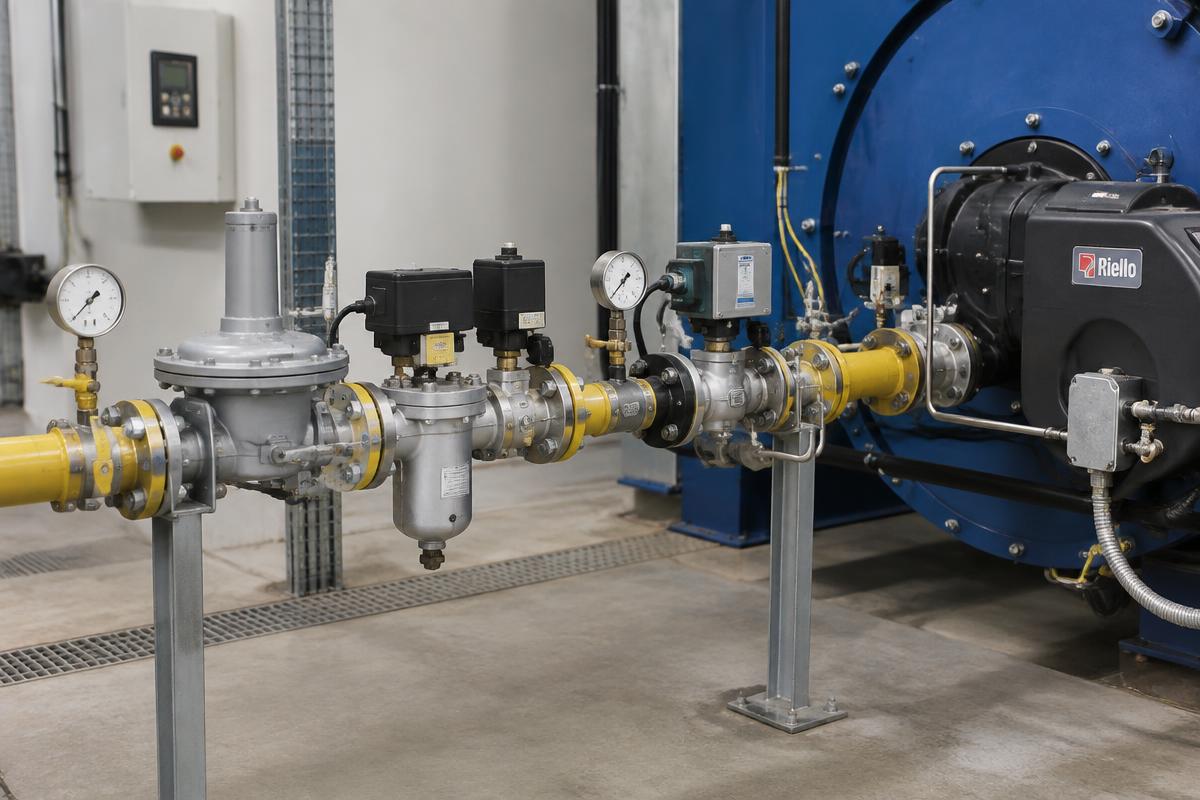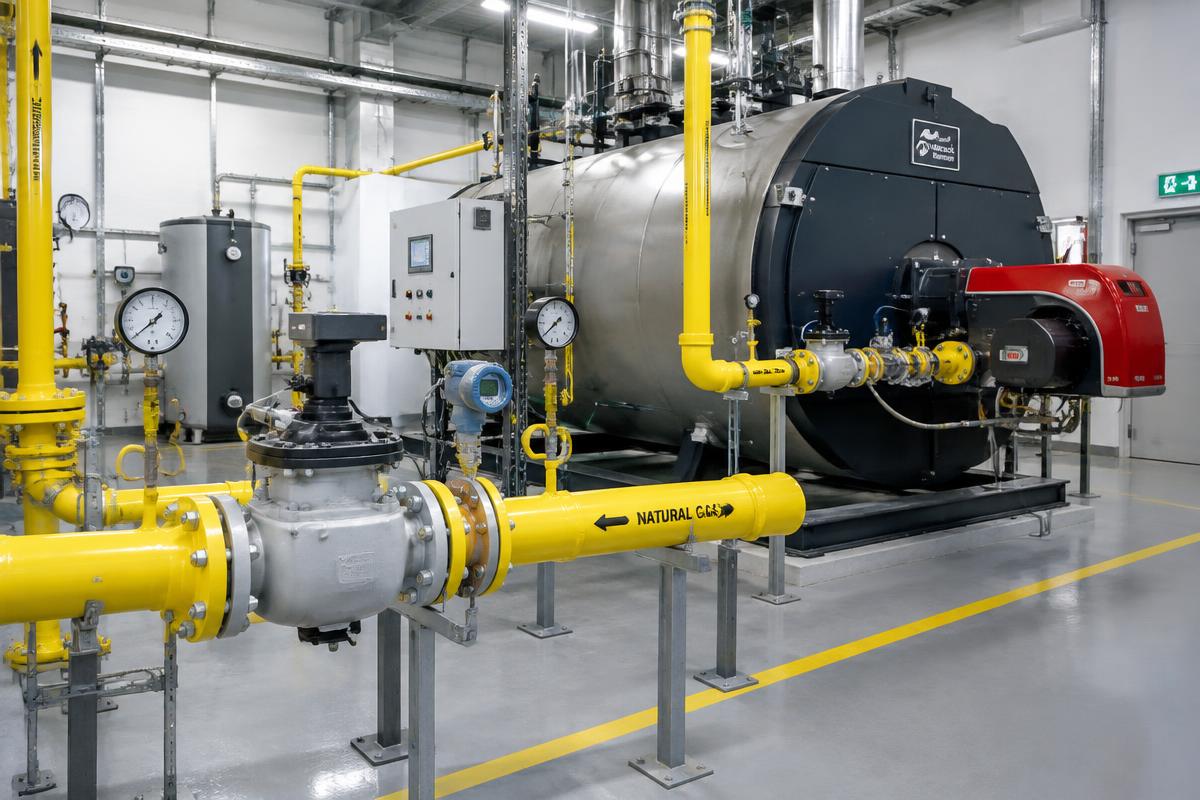
The pressure regulator aims to convert a fluctuating inlet pressure into a controlled outlet pressure suitable for the gas train and burner. Its proper operation is critical, as pressostats, solenoid valves, and ultimately combustion stability depend on it.
Basic operating principle
In standard mechanical regulators, a diaphragm, spring, and valve balance to keep the outlet pressure close to the set value. When consumption changes, the mechanism moves to allow more or less flow.
What is droop
Droop is the variation of outlet pressure as flow increases. Some variation is normal, but excessive droop can drop the dynamic pressure below the operating limit of the burner or the low-pressure pressostat.
What is hunting
When the regulator does not stabilize but the pressure fluctuates periodically, we refer to it as unstable regulation or hunting. This may be due to incorrect sizing, pulse line issues, mechanical wear, or operating conditions outside the intended range.
Static and dynamic behavior
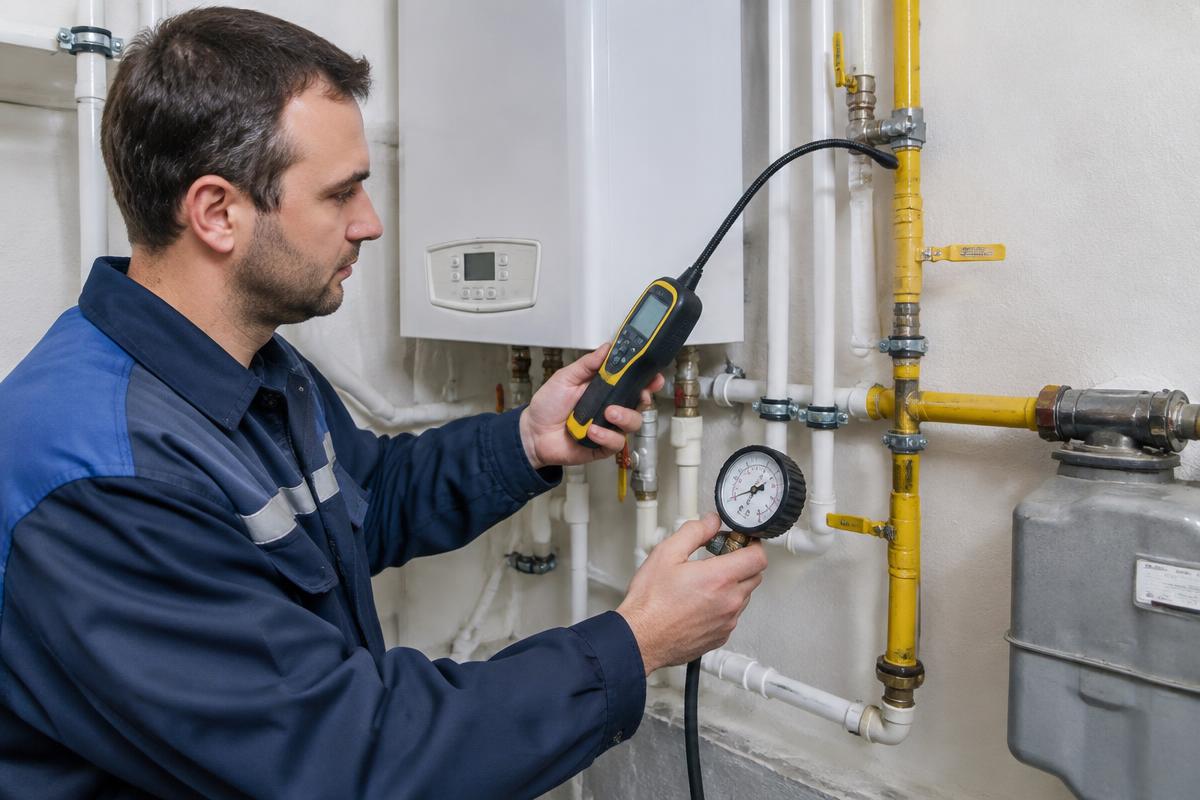
Pressure with closed consumption is not enough for diagnosis. The pressure must be observed during ignition, at low fire, and at maximum power. A regulator may show a correct static value and fail only when a high flow is requested.
Possible indications of a problem
Large pressure drops, slow recovery, continuous oscillation, high pressure after shutdown, or repeated low/high-pressure trips require investigation. They should not be addressed only by changing safety setpoints.
Relationship with sizing
The regulator is selected based on inlet pressure, required outlet pressure, flow rate, and allowable drop. An excessively small or unsuitable regulator may not respond to load changes even if it is mechanically intact.
Practical principle: before assuming the burner is at fault, record the actual pressure behavior before and after the regulator at different loads.