One of the most common diagnostic errors is evaluating gas supply solely based on static pressure. An installation may show correct pressure with valves closed, but as soon as the burner requests flow, the pressure may collapse.
Static pressure
Static pressure is the pressure when there is effectively no flow to the burner. It is useful information, but it does not indicate whether the network can maintain the required pressure when consumption increases.
Dynamic pressure
Dynamic pressure is the pressure while there is actual flow. This measurement reveals line restrictions, under-dimensioning, a clogged filter, regulator malfunction, or insufficient supply from the network.
What happens during startup
When the solenoid valves open, there is a sudden demand for flow. If the supply cannot respond, the pressure after the regulator or before the burner drops. The low-pressure switch may then open its contact and immediately stop the sequence.
Possible causes of a significant drop
Common causes include a closed or partially open valve, a clogged filter, a faulty or incorrectly dimensioned regulator, small pipe diameter, a large number of local resistances, or simultaneous consumption from another large load.
Where should pressure be measured
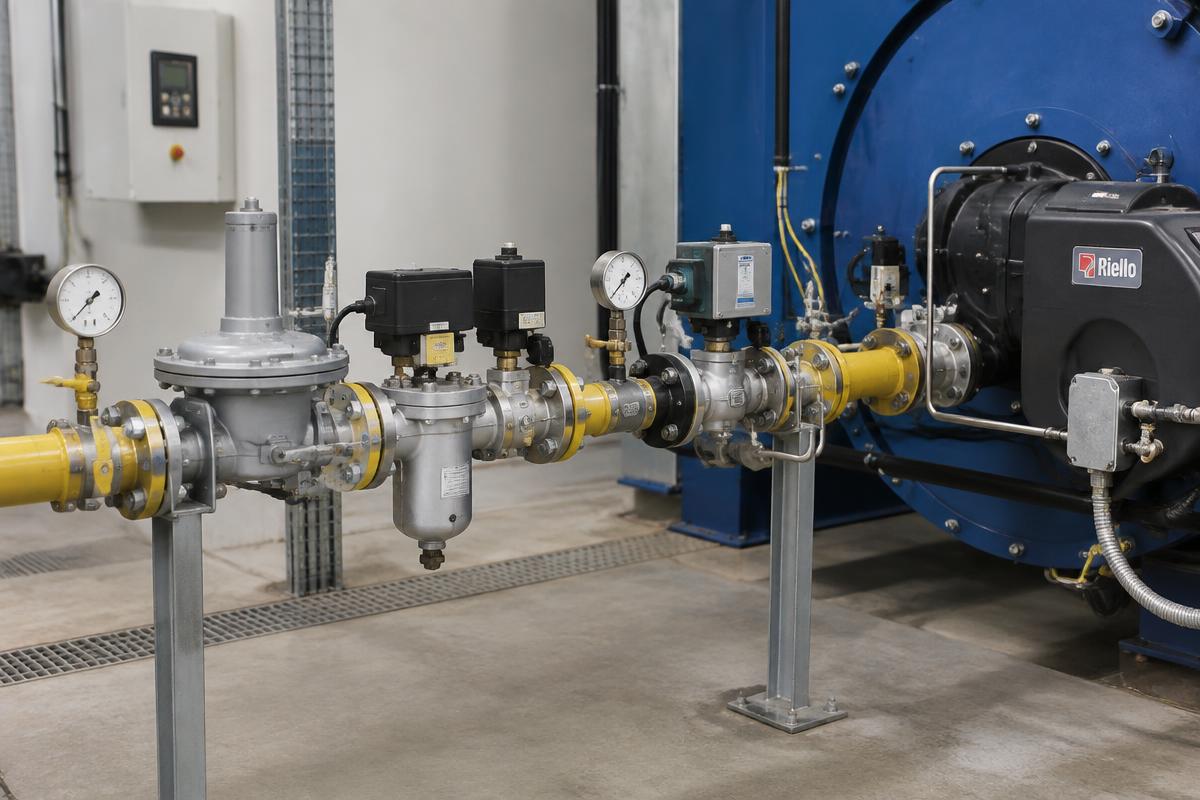
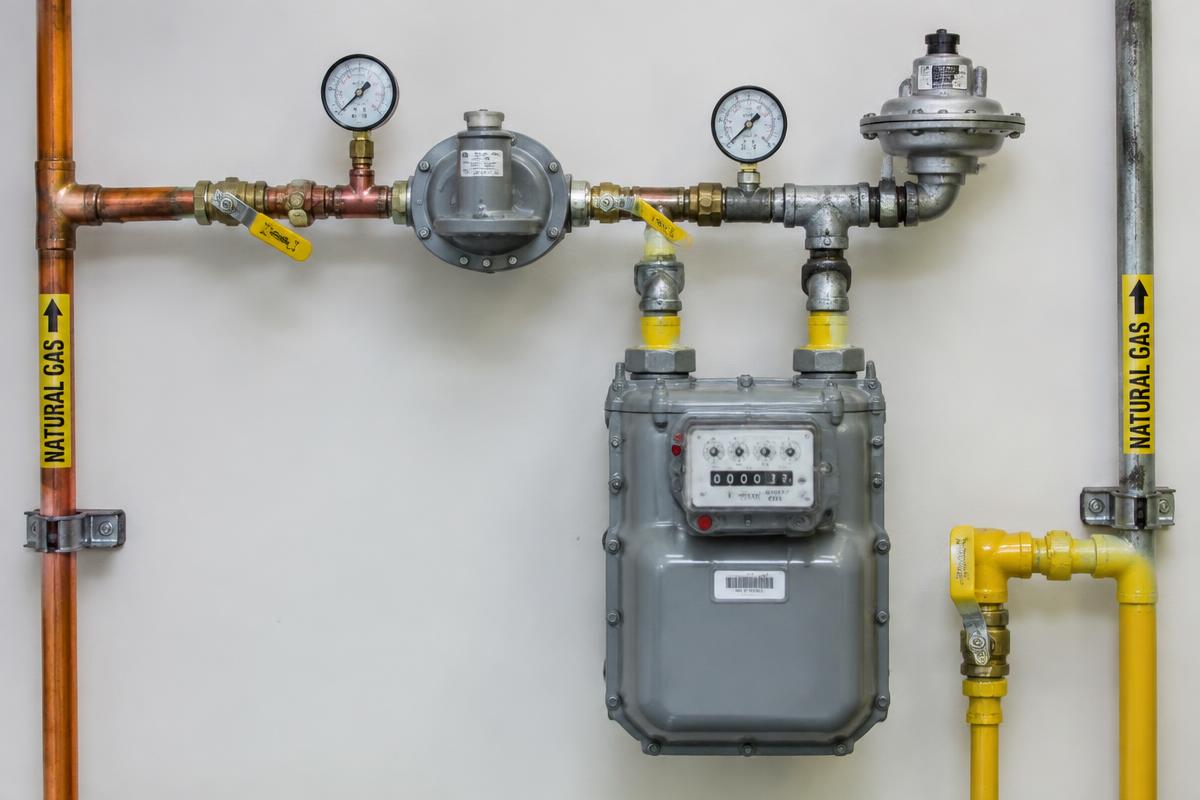
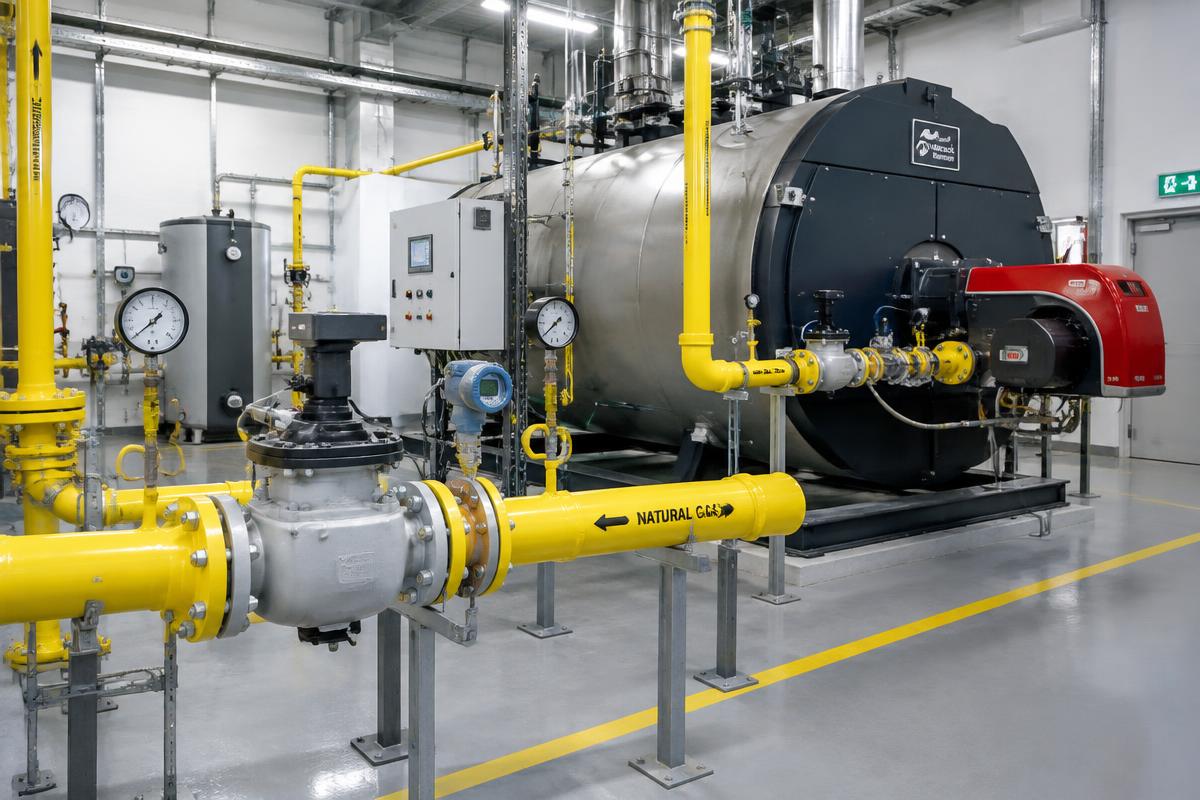
Diagnosis is performed by taking measurements at appropriate points before and after key components of the gas train, in accordance with the manufacturer's specifications. Comparing the measurements helps identify the section where the significant drop occurs.
Regulator behavior
The regulator must maintain pressure within a specific range as flow changes. If it exhibits excessive droop, slow response, or unstable operation, the pressure at the burner may fall outside of limits.
Why we do not simply increase the setpoint or bypass the pressure switch
If the pressure switch is operating because the pressure is genuinely dropping, bypassing it removes protection without resolving the root cause. The correct solution is to restore the flow or the system's regulation.
Useful diagnostic principle
Always compare static and dynamic pressure. The difference between them, combined with the required burner flow, provides much more information than a single pressure gauge reading taken before startup.