How to tell if your heat pump is losing efficiency
A heat pump is not expected to become noticeably less efficient simply because a few years have passed. Often, degradation is due to accumulated dirt, water circulation issues, setting changes, or malfunctions that develop gradually. Proper maintenance can restore a significant portion of lost performance, provided the root cause is identified.
However, it is necessary to distinguish between reduced thermal power and reduced energy efficiency. In the first case, the machine struggles to meet the building's needs. In the second, it may still provide comfort but by consuming more electricity. Both problems can occur simultaneously.
- Rooms take longer to reach the desired temperature.
- Consumption increases without a corresponding change in usage.
- The unit undergoes frequent starts and stops.
- The auxiliary electric heater activates more often.
- Unusual noises, error codes, or persistent ice on the outdoor unit occur.
Comparing bills alone is not enough. Check kWh consumption, outdoor temperatures, operating hours, thermostat settings, and domestic hot water usage. A colder winter or more time spent at home can explain an increase without any actual fault existing.
Exchanger fouling and hydraulic circuit issues
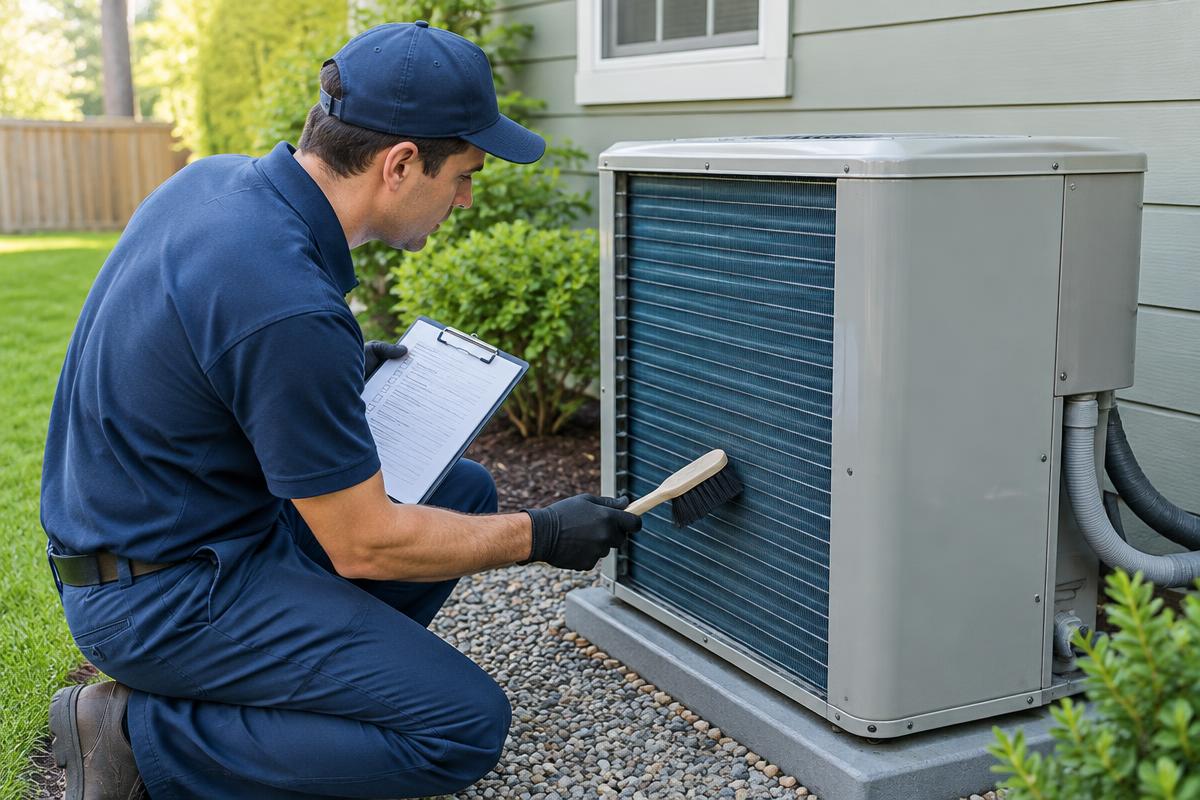
In air-to-water heat pumps, the outdoor exchanger exchanges heat with the air. Dust, lint, leaves, and other deposits restrict airflow and hinder heat transfer. Obstacles near the unit or recirculation of exhaust air back to the intake when installation clearances are not respected have a similar effect.
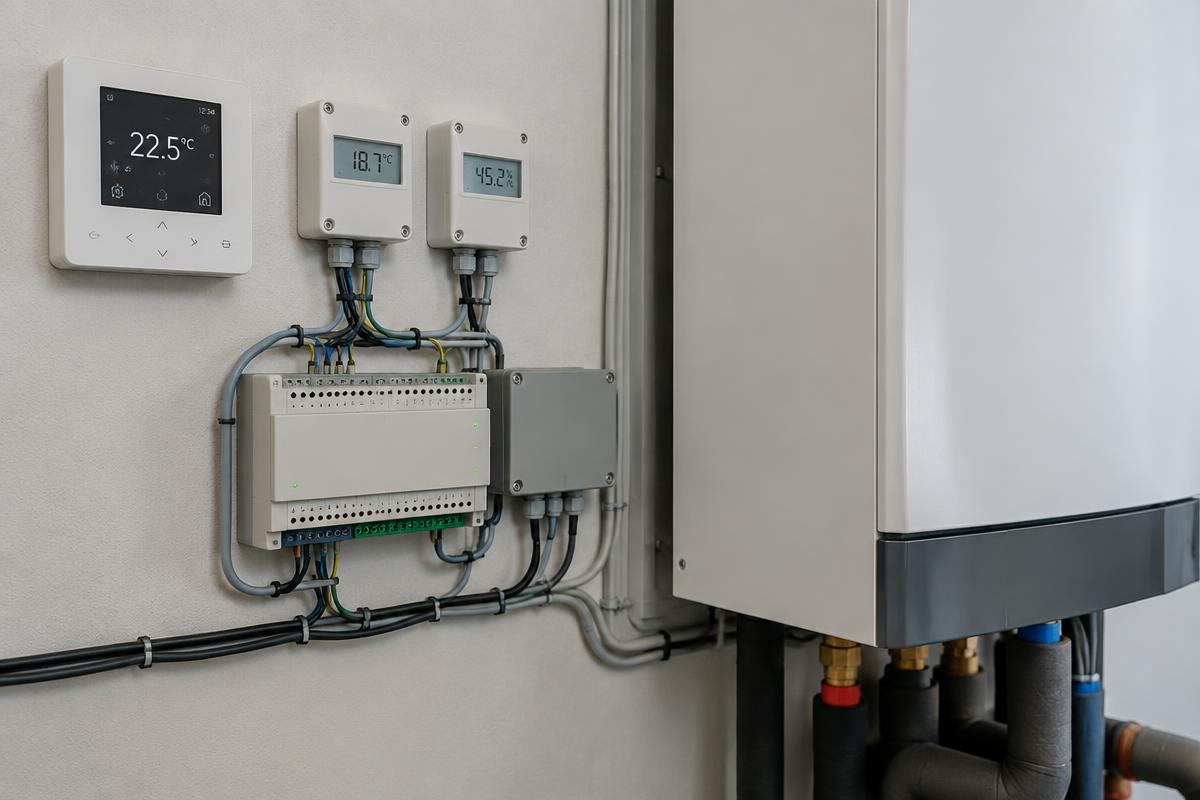
On the water side, clogged filters, sludge, corrosion products, and air can reduce circulation. The circulator struggles to ensure the required flow, while the exchanger and radiators do not operate under the specified conditions. In installations with fan coils, loaded air filters and dirty coils further reduce the heat delivered to the rooms.
Restoration includes cleaning the exchanger using an appropriate method, checking filters and the magnetic separator where present, purging air, and confirming water flow. System pressure and the expansion vessel are checked according to the design and manufacturer's instructions, not with a generic value for all installations.
Chemical cleaning is not an automatic solution for every old system. An assessment of water quality, materials, and signs of fouling must come first. Improper cleaners or additives can cause damage. Additionally, the outdoor exchanger should not be cleaned with a pressure washer, which can deform its fins.
Refrigerant circuit, defrosting, and component wear
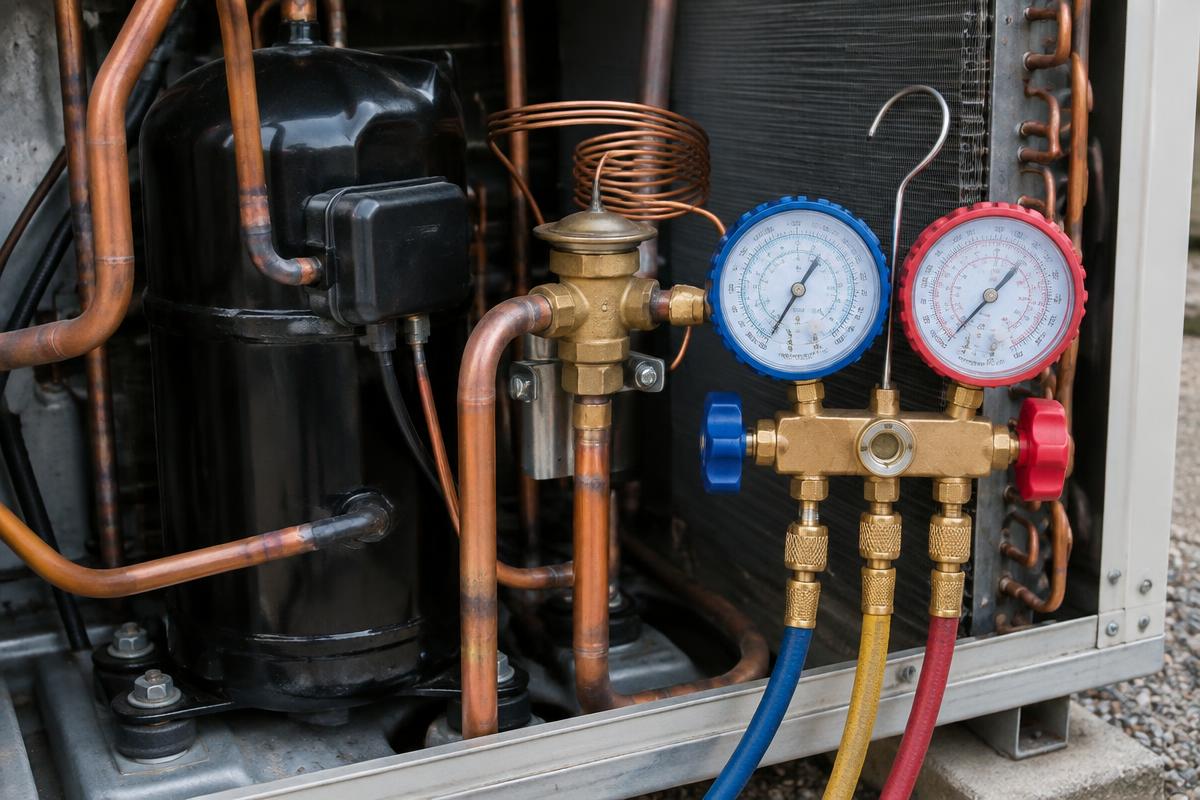
Refrigerant circulates in a closed circuit and is not consumed during normal operation. If its quantity is insufficient, a leak or incorrect initial charging must be investigated. Simply topping it up without locating and fixing the cause does not constitute comprehensive maintenance and may lead to a recurrence of the problem.
Diagnosis cannot be reliably made from a single pressure reading. A properly licensed technician evaluates the operating conditions, temperatures, pressures, and control data for the specific model. Work on the refrigerant circuit requires proper equipment and compliance with safety rules, especially when flammable refrigerants are used.
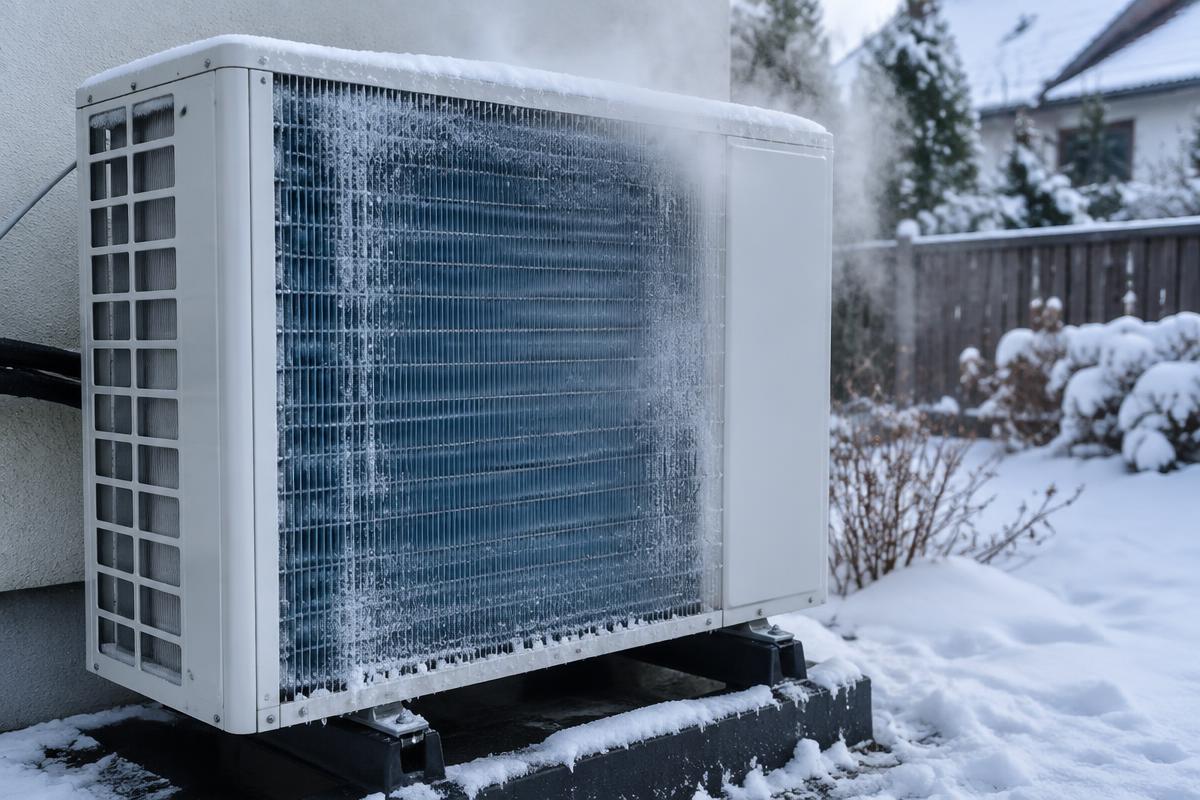
In heating mode, ice formation on the outdoor exchanger under certain temperature and humidity conditions is normal. The unit performs a defrost cycle to remove it. However, ice that persists, insufficient drainage, or cycles that do not complete correctly require inspection. Defrost frequency is heavily influenced by the weather and is not evidence of a fault on its own.
Over the years, sensors, fans, circulators, valves, or power electronics may also develop problems. A sensor providing an incorrect reading can alter operation without obvious mechanical noise. Compressor wear is possible, but it should not be the first explanation before simpler causes are ruled out.
Settings that increase consumption without a fault
Supply temperature significantly affects consumption. The higher the temperature lift requested from the pump, the more difficult its operating conditions usually become. An excessively high supply may ensure rapid heating, but with lower energy efficiency. The appropriate value depends on the radiators, the building's heat losses, and the weather.
A correctly configured weather compensation curve adjusts the water temperature to the outdoor temperature. If the curve has been changed without technical assessment, the system may be operating permanently at higher temperatures than necessary. Control is also required for domestic hot water settings and the engagement of the auxiliary heater, without arbitrarily disabling the mandatory sanitary cycles.
Frequent starts may be related to oversizing, low active water volume, insufficient flow, or many zones closing simultaneously. The solution is not necessarily adding a buffer tank. Inspection of the hydraulic layout, the manufacturer's minimum requirements, and the automation logic must come first.
What maintenance that truly restores performance includes
A meaningful heat pump service starts with the operating history and concludes with a controlled test. Cleaning is important but not enough when the problem lies in the settings, water flow, or a malfunctioning component.
- Recording symptoms, error codes, and recent changes in the installation.
- Checking the cleanliness of exchangers, filters, and defrost water drainage.
- Measuring flow, where possible, and supply/return temperatures under steady-state conditions.
- Checking circulators, sensors, electrical connections, and safety devices.
- Evaluating weather compensation, operating cycles, and heater engagement.
- Targeted testing of the refrigerant circuit when there are relevant indications or regulatory requirements.
After the interventions, request a record of findings and settings. Real performance is not proven by the fact that the water "gets hotter." For a reliable estimate, measurements of the heat delivered and electricity consumption are needed, with clear measurement limits. Monitoring under comparable conditions shows whether the result is maintained.
Maintenance frequency follows the manufacturer's instructions, usage, and installation environment. A preventative check before the demanding operating season is often useful. The user can monitor indications and remove external obstacles but should not open electrical or refrigerant parts.
Frequently Asked Questions
Does the heat pump need refrigerant top-up every year?
No. In a sealed and correctly charged circuit, periodic top-ups are not required. If a deficiency is found, diagnosis of the cause and its repair by a qualified technician are required.
Does continuous operation mean low efficiency?
Not necessarily. An inverter unit can operate for many hours at low power with good efficiency. Comfort, consumption, weather conditions, and start frequency are evaluated together.
Can maintenance fully restore original performance?
It can restore losses from fouling, insufficient circulation, or incorrect settings. However, it does not undo serious mechanical wear, nor does it fix poor sizing or improper installation on its own.
When is replacement considered instead of repair?
When there are serious or recurring faults, difficulty finding spare parts, or a high total repair cost. The decision is based on a technical and economic assessment, not just the unit's age.