Introduction to the Problem of Insufficient Heating
It is one of the most common and annoying situations: the temperature drops, you turn on the thermostat, but the radiator remains cold or only warms at the bottom. As heating technicians, we are called upon daily to handle such incidents, which may be due to simple maintenance issues or more complex central system failures. In this guide, we will analyze the causes and solutions step-by-step, distinguishing between what you can do yourself and when it is necessary to call a licensed plumber.
1. Trapped Air in Radiators: The Most Common Cause
Air is the biggest enemy of proper water circulation. When air enters the circuit, it collects at the top of the radiators, preventing hot water from filling the entire surface of the unit.
How do you know if air is the culprit?
- The unit is warm at the bottom and cold at the top.
- Noises (like running water or gurgling) are heard from inside the unit.
The Solution: Bleeding
Use the special radiator key or a flathead screwdriver. Carefully open the valve at the top of the unit until water begins to flow steadily. Caution: After bleeding, always check the pressure on the boiler gauge, as removing air reduces system pressure.
2. Low Pressure in the Heating Network
To circulate water from the boiler (in the basement or on the balcony) to the radiators on the top floor, a specific static pressure is required. If the pressure drops below a certain limit, the circulator cannot "push" the water to the higher points.
In most installations in Greece (apartments and houses), the ideal pressure when the system is cold ranges between 1.2 and 1.5 bar. If the gauge shows below 0.8 bar, many systems (especially wall-mounted gas boilers) enter safety mode.
- Solution: Locate the filling valve under the boiler and slowly add water until the needle reaches 1.5. If the pressure drops frequently, there is a leak or a problem with the expansion vessel.
3. Problems with the Circulator or Diverter Valve
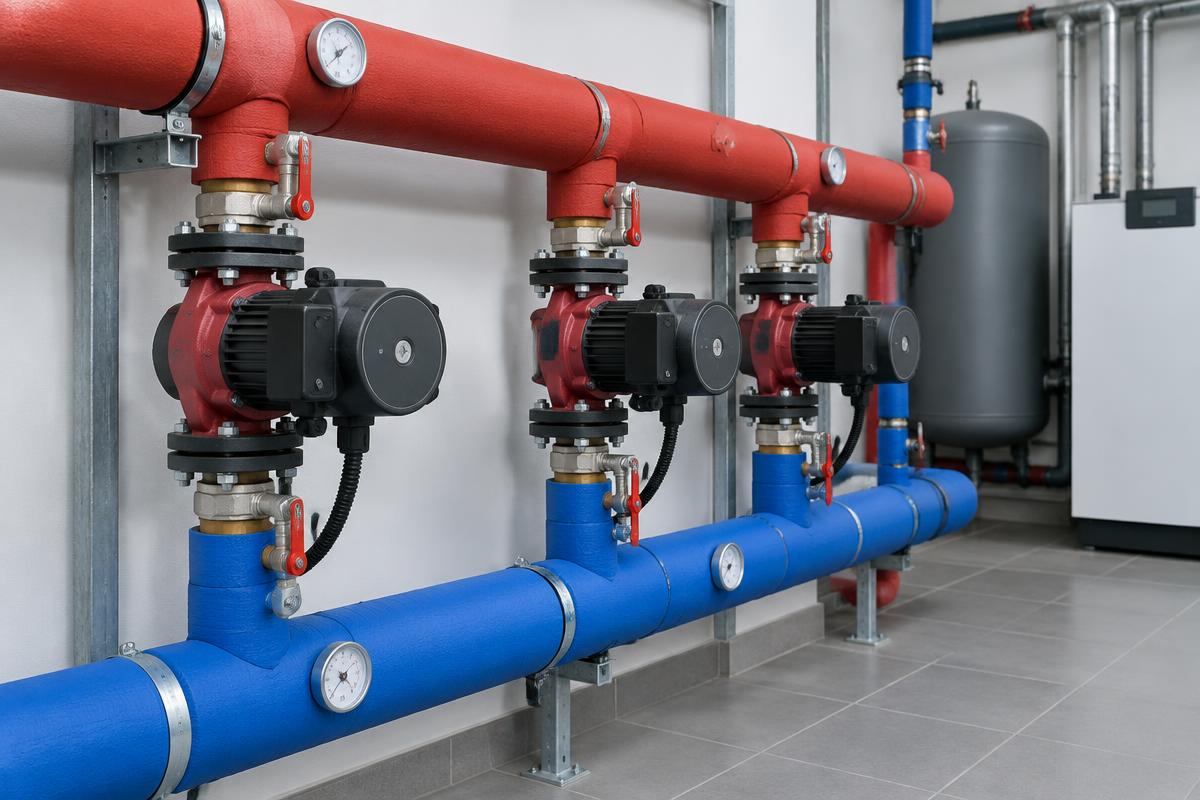
The circulator is the "heart" of the system. If this device gets stuck or burns out, hot water will never leave the boiler. This often happens after the summer due to inactivity and limescale buildup.
How to check it?
If the boiler is running but the pipes leaving it remain cold, the circulator is likely stuck. A technician can often "unstick" it by removing the center screw and rotating the shaft with a screwdriver. However, if the circuit board or coil is burnt, it will need replacement.
In gas systems, the diverter valve may be stuck in the domestic hot water production position (bathroom), preventing water from being sent to the radiators even though the thermostat is on.
4. Closed Valves and Thermostatic Heads
Sometimes the solution is the most obvious one. Check if the radiator valves (top and bottom) are fully open. If you have thermostatic heads, there is a chance the valve "pin" has become stuck in a closed position due to limescale.
- Technician's Tip: Remove the plastic head and press the protruding metal pin. It must move in and out. If it is stuck, tap it lightly on the side with a small wrench to release it.
5. Sludge and Deposits in the Network
In older installations with iron pipes, the water over the years creates iron oxides, a black sludge that settles at the bottom of the radiators. This inhibits flow and creates "cold zones" in the middle or bottom of the radiator.
If you have bled the system and the circulator is working, but the radiator is only warm near the inlet pipes, then you need chemical cleaning of the network. This process is performed using a special pump and chemical cleaners that circulate in the system to dissolve deposits.
Frequently Asked Questions (FAQ)
Why does one radiator heat up and another not?
Usually, this is due to poor network balancing. Water follows the path of least resistance. If the first radiator in the line "steals" all the water, the last ones remain cold. This is adjusted via the return valves (the "balancing" valves at the bottom).
Is high pressure dangerous?
Yes, if the pressure exceeds 3 bar, the safety valve will open and water will leak into the boiler area. Never fill the system above 2 bar when it is cold.
How often should I bleed the radiators?
Once at the beginning of the season is enough. If you need to bleed them every week, then there is either a leak or a serious problem with the expansion vessel introducing air into the system.
Conclusion
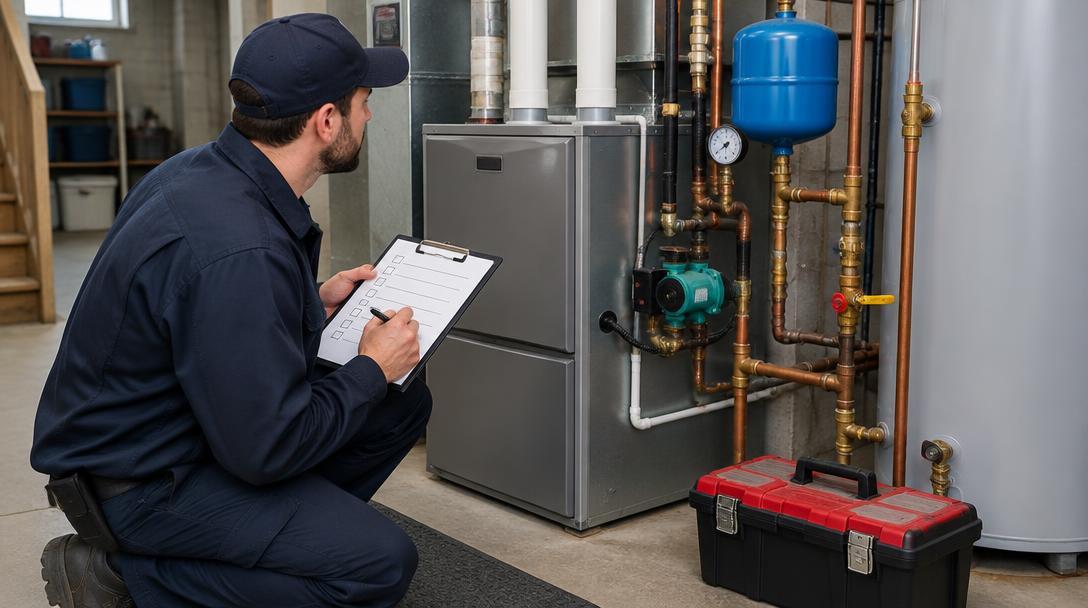
Proper radiator operation requires a combination of clean units, correct pressure, and a functional mechanical room. Always start by bleeding the system and checking the pressure. If the problem persists, do not experiment with the boiler or the circulator. An annual inspection by a qualified technician will not only ensure warmth but will also reduce fuel consumption by up to 15%.