Introduction to the "silent" plumbing threat
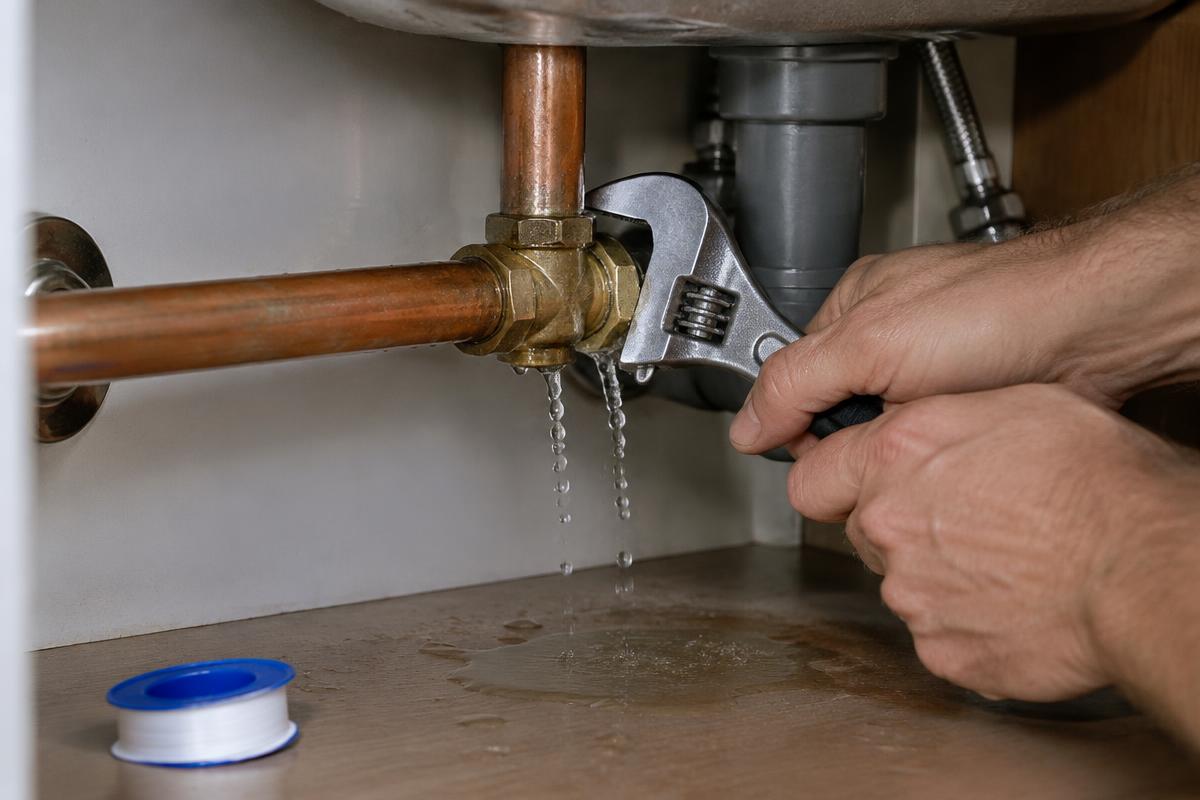
A water leak in a home is one of the most insidious damages a homeowner can face. Often, the problem does not manifest as an obvious flow, but as a slow, steady seepage that undermines the structural integrity of building components and inflates utility bills. As technicians, we see cases every day where timely intervention could have saved thousands of euros in renovations and repairs.
The first signs you should not ignore
Prevention begins with observation. There are indications that, although they may seem innocent, reveal a problem with the pipes:
- Unexplained increase in the bill: If consumption in cubic meters has increased without the family's habits changing, a leak is almost certain.
- Musty odor: A persistent smell of stuffiness or "earth" in poorly ventilated rooms often indicates trapped moisture behind drywall or closets.
- Discoloration of surfaces: Yellow, brown, or black stains on the ceiling or walls are the classic sign of a leak from the floor above or a pipe within the wall.
- Sound of running water: If you hear water trickling while all faucets are closed, a leak is in progress.
Practical check with the water meter
The most reliable way to confirm a leak without using tools is the water meter from EYDAP or your local provider. Follow these steps:
The "dead time" test
- Turn off all faucets, the washing machine, and the toilet flush.
- Locate your water meter (usually on the sidewalk or in an open area).
- Note the reading and check if the small gear (the flow indicator) is moving, even slightly.
- Leave the system closed for 2 hours. If the reading changes, you have a leak.
If the gear is turning quickly, the damage is severe and requires immediate shut-off of the main supply.
Detection in heating systems
In heating installations, detection is slightly different. Here, the primary "witness" is the pressure gauge of the boiler or heat pump.
Normal pressure in a cold system usually ranges between 1.2 and 1.5 bar. If you notice that the pressure systematically drops below 1.0 bar and you need to add water every week, then there is a leak either in the piping (e.g., multilayer or copper pipes under the floor) or in the radiators (Panel or sectional).
Caution: A drop in pressure can also be due to a broken expansion vessel, so before you start digging, call a licensed technician to check the equipment.
Professional non-destructive detection methods
In the modern era, there is no need to break tiles randomly. We technicians use specialized equipment:
- Thermal camera: Identifies temperature differences in the wall, revealing the exact route of hot pipes and the point where water is leaking.
- Acoustic detectors: High-sensitivity microphones that "listen" to the ultrasound produced by water as it exits a hole under pressure.
- Moisture meters: Measure the percentage of moisture in building materials to find the "source" of the concentration.
Frequently Asked Questions (FAQ)
How much does a professional leak detection cost?
In the Greek market, an inspection with a thermal camera or acoustic devices usually ranges from 80€ to 150€, depending on the complexity of the building. It is an investment that saves you from unnecessary repairs.
Is a running toilet considered a serious leak?
Yes. A toilet that leaks water can consume up to 200-300 liters per day. This translates into dozens of euros extra on your bill every quarter.
What do I do if the leak is in the sewer pipe?
Sewer leaks are not visible on the water meter. They are usually detected by an intense foul odor and moisture that appears only when a specific drain is used (e.g., when you take a shower). This requires an inspection with an endoscopic camera.
Conclusion
Early detection of a leak requires a combination of observation and technical tools. Do not wait to see water running on the floor to act. Check your water meter at regular intervals and if you suspect a problem, trust a professional plumber with modern detection equipment. Prevention is always cheaper than restoration.