Introduction to Boiler Safety Systems
Every modern boiler, whether it is a wall-mounted gas boiler or a traditional oil boiler, is a complex machine that manages fuel and high pressures. To operate smoothly and, above all, safely for the occupants, it incorporates a series of safety devices. When the boiler "shuts down" or displays an error code (lockout), it is often not a malfunction of the component itself, but rather the activation of a protection feature that prevented a dangerous situation.
In this article, we will analyze the main safety features a heating system possesses, their role, and the reasons why they lead to a shutdown.
1. The High Limit Stat (Safety Thermostat)
The safety thermostat is arguably the most critical protection component. It is a contact or immersion sensor, calibrated to cut off the fuel supply if the water temperature in the heat exchanger exceeds a certain limit (usually 95°C - 110°C).
Why does it activate?
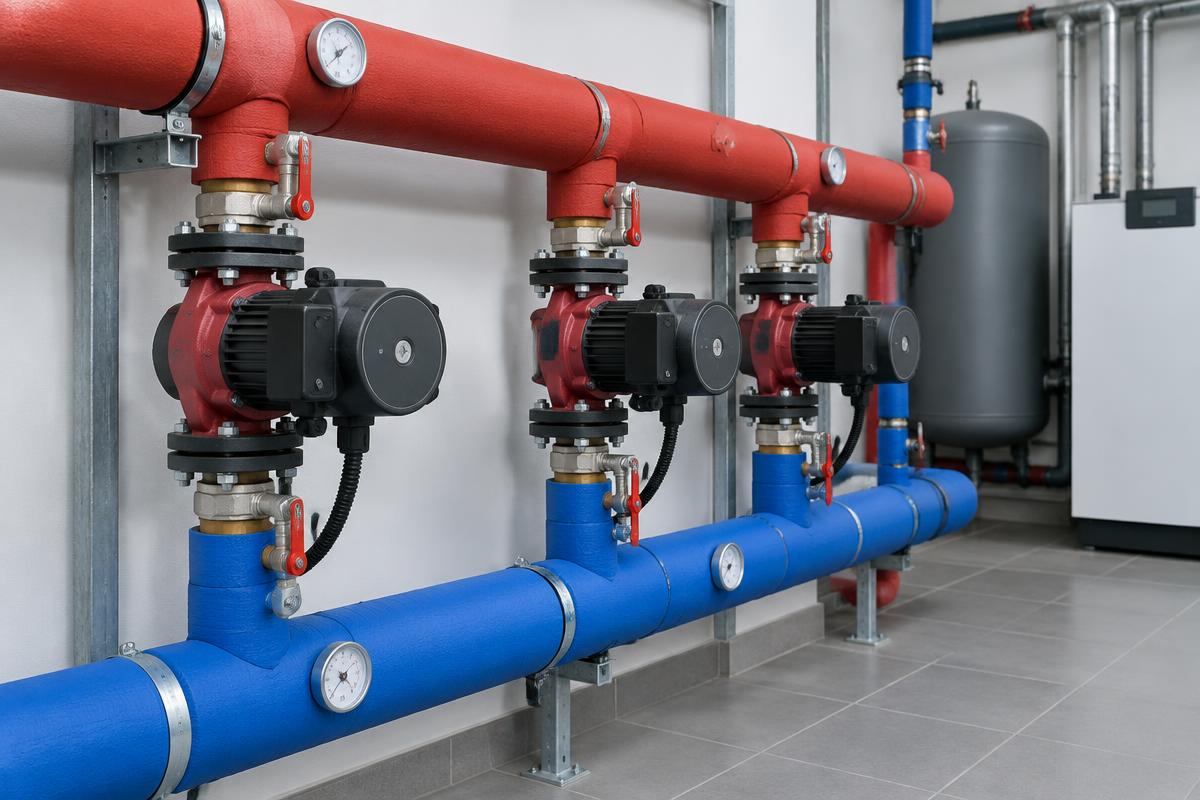
- Stuck circulator: If the water is not moving, the temperature in the combustion chamber rises instantly.
- Air in the circuit: Air bubbles prevent proper heat dissipation.
- Clogged heat exchanger: Limescale or sludge deposits obstruct the flow.
In most cases, the reset must be performed manually after the machine has cooled down, to ensure the user or technician confirms that the problem has been identified.
2. Water Pressure Switch and Low Pressure
Closed-circuit boilers require a minimum water pressure to operate (usually 0.8 to 1.2 bar). The water pressure switch is the "guardian" that ensures there is sufficient heat transfer medium.
When does it shut off the boiler?
- System leak: Even a small leak in a radiator can cause the pressure to drop below the operating threshold.
- Expansion vessel issue: If the expansion vessel has lost its air pressure, the system pressure fluctuates abruptly, leading to water loss from the safety valve and eventually a shutdown.
3. Flame Monitoring (Ionization)
In gas boilers, the ionization electrode detects the presence of a flame. If the gas valve opens but the flame does not ignite within a few seconds, the boiler locks out to prevent the accumulation of unburned gas in the combustion chamber.
Common causes of flame failure:
- Dirty electrode: Soot prevents the reading of the ionization current.
- Low gas pressure: An issue with the network pressure regulator.
- Phase-Neutral Reversal: Many boilers require correct polarity in the electrical connection to "read" the flame.
4. The 3 Bar Safety Valve
While the previous safeties are electronic/mechanical devices that shut off the burner, the safety valve is the "last line of defense." If the pressure in the circuit exceeds 3 bar, the valve opens mechanically and discharges water into the room (or to the drain).
If you see water leaking under the boiler, do not ignore it. It means the system is under excessive pressure, usually due to a fault in the expansion vessel or because the filling valve was left open.
5. Flue Gas Extraction Protection
Modern condensing boilers are equipped with differential pressure switches or flue gas temperature sensors. If the chimney is blocked (e.g., by a bird's nest) or if the fan is not operating at the correct speed, the boiler shuts down immediately to prevent carbon monoxide from returning into the room.
Frequently Asked Questions (FAQ)
Why does my boiler show 0 bar and won't turn on?
There is likely a leak or the system needs to be topped up with water. Carefully open the filling valve until the pressure reaches 1.5 bar and monitor if it drops again.
The boiler resets but shuts down again after 5 minutes. What is wrong?
This is a classic sign of overheating. Check if the radiator valves are open and if the circulator is working. If the problem persists, call a technician to check the heat exchanger.
How often should the safety features be checked?
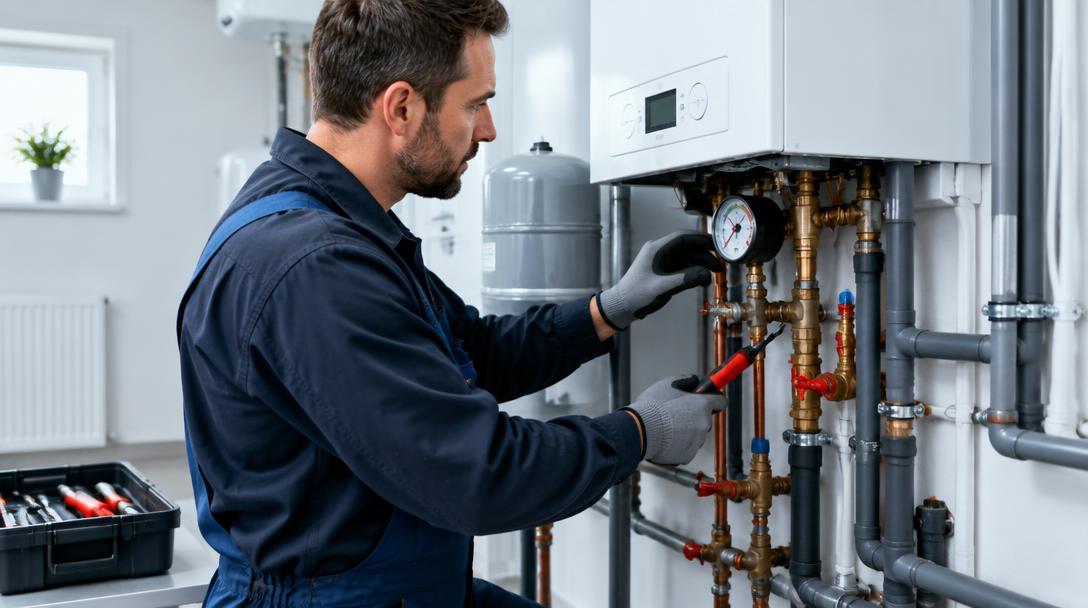
Checking safety devices is part of the annual maintenance. The technician simulates fault conditions to ensure that the automatics respond correctly.
Conclusion
Boiler safety features are not there to make our lives difficult, but to protect our property and our physical well-being. When a boiler shuts down, it is "telling" us about a deeper problem with flow, pressure, or combustion. Proper annual maintenance by a licensed technician remains the best way to ensure these protections will work when needed, avoiding costly repairs and dangerous situations.