Introduction to the defrost process
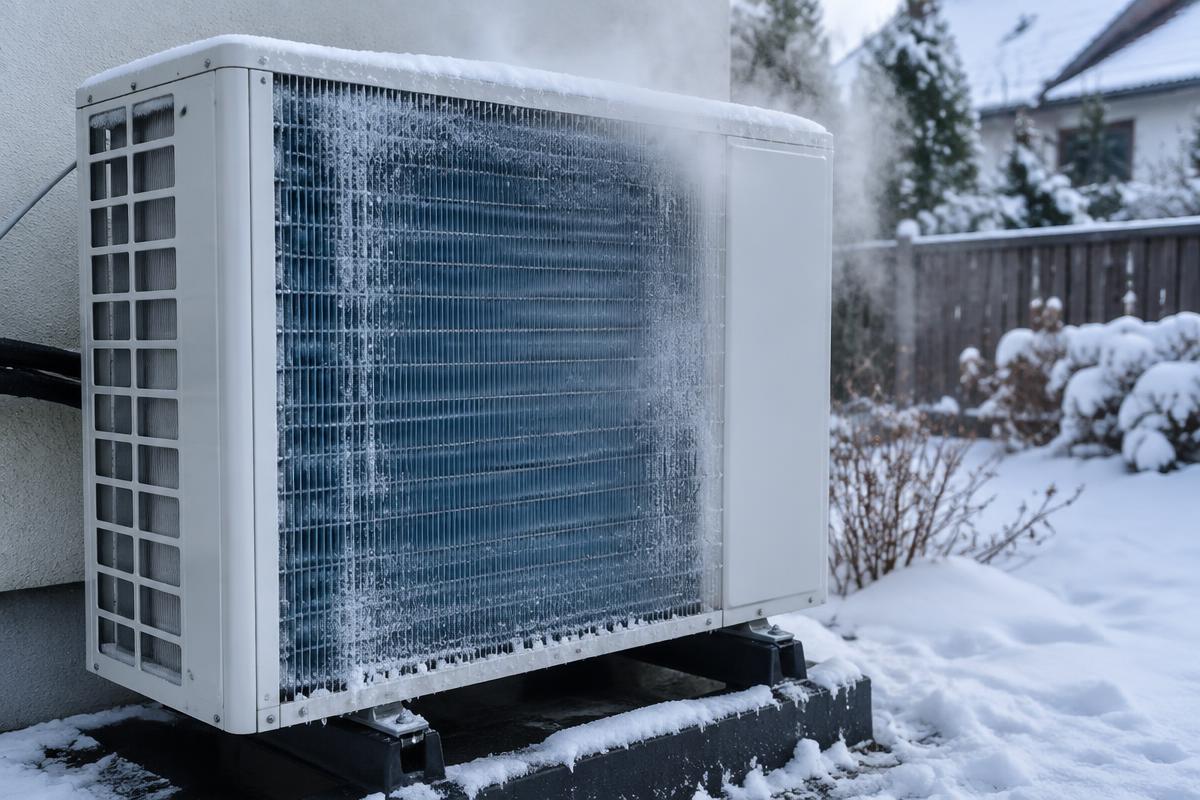
For many first-time heat pump owners, the sight of an outdoor unit covered in a layer of white frost during a cold night can be concerning. However, ice formation is actually a normal phenomenon directly linked to the physics of heat transfer. The defrosting process, internationally known as the defrost cycle, is a critical self-maintenance mechanism that ensures the device continues to perform even at sub-zero temperatures.
Why does ice form on the outdoor unit?
The heat pump operates by extracting heat from the outdoor air and transferring it inside the home. For this to occur, the refrigerant circulating in the evaporator (the "coils" of the outdoor unit) must be at a temperature significantly lower than the ambient temperature.
The role of humidity
When the outdoor air comes into contact with the unit's frozen aluminum fins, the moisture it contains condenses. If the coil temperature is below 0°C, this moisture solidifies and turns into ice. This phenomenon is most intense when the outside temperature fluctuates between -2°C and +5°C with high humidity levels (over 70-80%), which is very common in Greek urban centers and coastal areas.
The consequences of ice accumulation
- Reduced airflow: Ice blocks the gaps between the fins, preventing the fan from drawing in air.
- Drop in efficiency (COP): The unit struggles to absorb heat, consuming more electricity.
- Risk of damage: In extreme cases, the pressure of the ice can deform the fins or cause vibrations in the fan.
How the defrost cycle works step by step
When the heat pump detects (via temperature and pressure sensors) that performance is declining due to ice, it begins the defrosting process. The process includes the following stages:
- Cycle reversal: The four-way valve changes the flow of the refrigerant. The outdoor unit temporarily becomes a "condenser" (i.e., it emits heat) and the indoor unit becomes an "evaporator."
- Fan pause: The outdoor fan stops so that heat can concentrate in the coils and melt the ice faster.
- Ice melting: The hot refrigerant heats the fins, the ice melts, and the water runs out from the base of the unit. At this point, you may see steam coming out of the unit, which is perfectly normal.
- Return to heating mode: As soon as the sensors indicate that the coil temperature has risen (usually around 10-15°C), the valve reverses again and the unit returns to standard heating delivery.
Factors affecting the frequency of defrost
Not all heat pumps operate in the same way. The frequency depends on:
- Relative Humidity: The "wetter" the air, the more often the unit will freeze.
- Heating Load: If the pump is undersized and runs constantly at 100% capacity, it will freeze faster.
- Coil cleanliness: Dust, lint, or leaves on the fins facilitate ice adhesion.
- Control technology: Modern (Inverter) pumps feature "smart defrost" that is activated only when truly necessary, unlike older models that operated on a timer (e.g., every 60 minutes).
Tips for proper installation and maintenance
To avoid problems during winter, ensure the following:
- Proper drainage: Water from the defrost cycle must be removed via a pipe or drain to a location where it will not create an ice patch on the ground, which can be dangerous for pedestrians.
- Installation height: In areas with frequent snowfall, the outdoor unit must be placed on mounts at least 20-30 centimeters above the ground so that drainage is not blocked by snow accumulating at the base.
- Free airflow: Do not place obstacles or covers near the outdoor unit.
Frequently Asked Questions (FAQ)
1. Why is steam coming out of the outdoor unit?
It is perfectly normal. During defrosting, the ice melts quickly and part of the water evaporates on the hot unit coils, creating a cloud of white steam.
2. How long does the defrost take?
It usually lasts from 5 to 12 minutes, depending on the amount of ice and the outdoor temperature. During this time, the supply of heat to the inside of the house is temporarily stopped.
3. Can I pour hot water to melt the ice?
No, it is not recommended. The pump has its own mechanisms. External water can freeze in places it shouldn't or cause thermal shock to the aluminum fins.
4. Why does my pump perform defrosting very often?
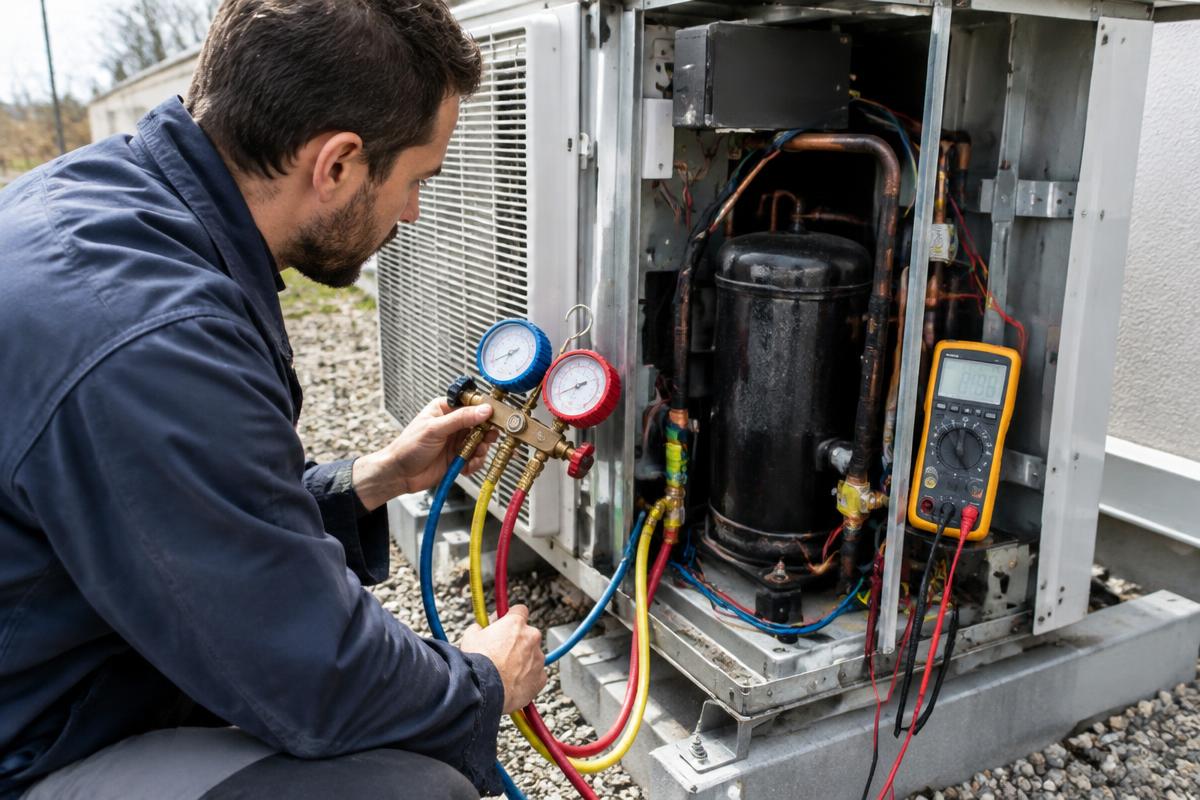
If defrosting happens every 30 minutes without visible ice, there may be a problem with a sensor, a lack of refrigerant, or a very dirty coil. In this case, call a qualified technician.
Conclusion
Defrosting is not a sign of a malfunction, but a necessary operation that allows the heat pump to work efficiently at low temperatures. By understanding how the defrost cycle works and ensuring the proper installation and maintenance of your unit, you can enjoy economical heating even in the most difficult conditions of the Greek winter.