Heat pump circulator: Common faults and diagnosis
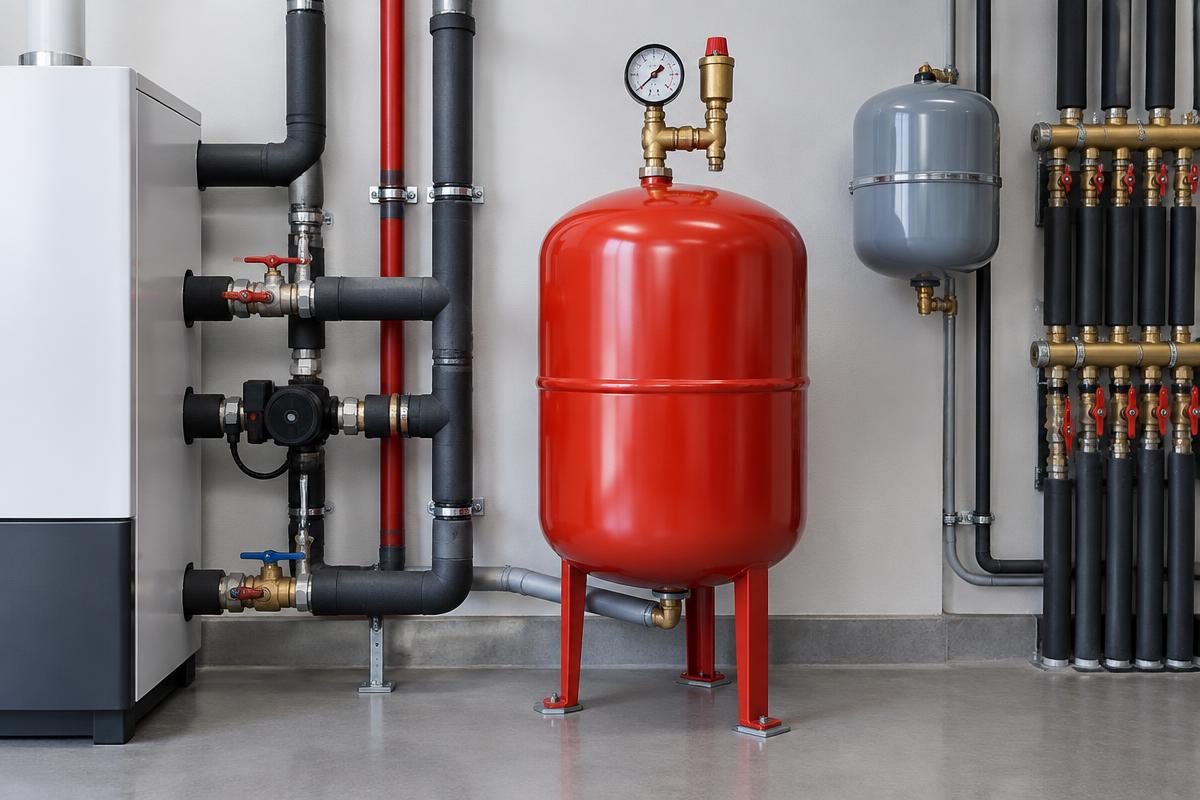
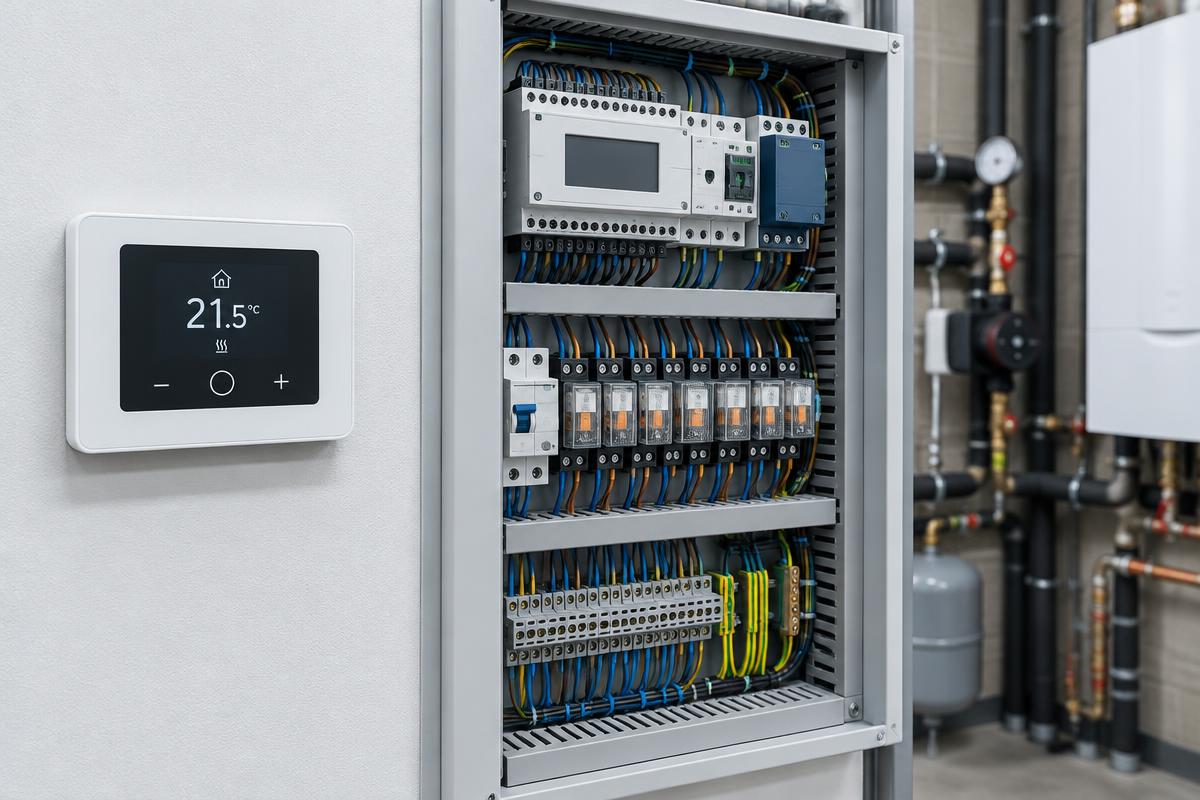
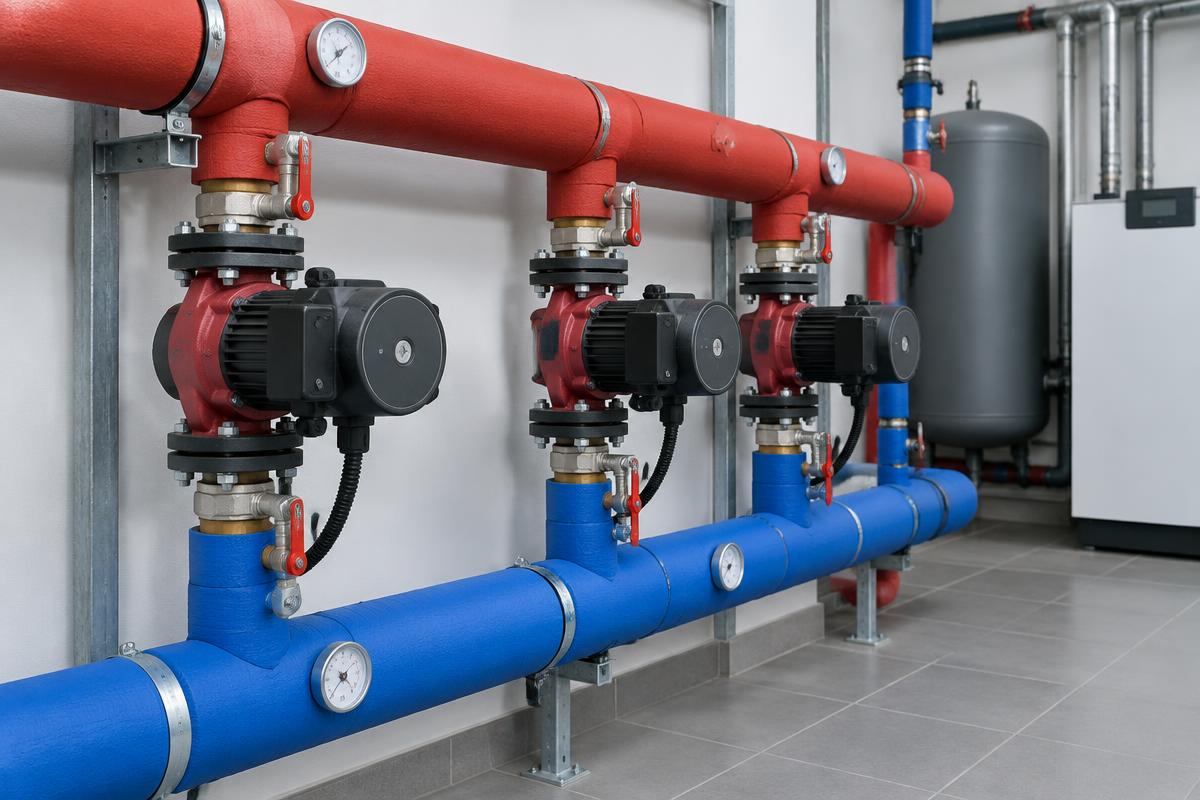
In diagnosing a "Heat pump circulator," we distinguish whether the problem is electrical, mechanical, or hydraulic. Replacing the circulator does not solve a problem located in the network.
How it is properly evaluated
We start with the circulator mode and minimum flow. Then, ΔT and the buffer tank (where present) are examined to see where the deviation lies.
What we measure in practice
We record ΔT, ΔP, flow alarms, and m³/h. The combination of measurements is more reliable than a single reading.
Common errors
Frequent causes are low flow, a dirty filter, air, and an incorrect setpoint. Insufficient flow can affect efficiency, defrost, and reliability.
Measurement and recording points
- Δt.
- Δp.
- Flow alarms.
- M³/h.
Practical observation
Insufficient flow can affect efficiency, defrost, and reliability. For an accurate comparison, we note which zones were open, the water temperature, and the operation mode.
Safety
Before any electrical or mechanical intervention, ensure safe isolation of the power supply and confirm the absence of voltage. In a hot circuit, take the water pressure and temperature into account before opening any component.
Conclusion
Regarding the "Heat pump circulator," the actual status is proven by a combination of flow, pressure, temperatures, and electrical readings. Proper adjustment covers the load without unnecessary consumption and noise.