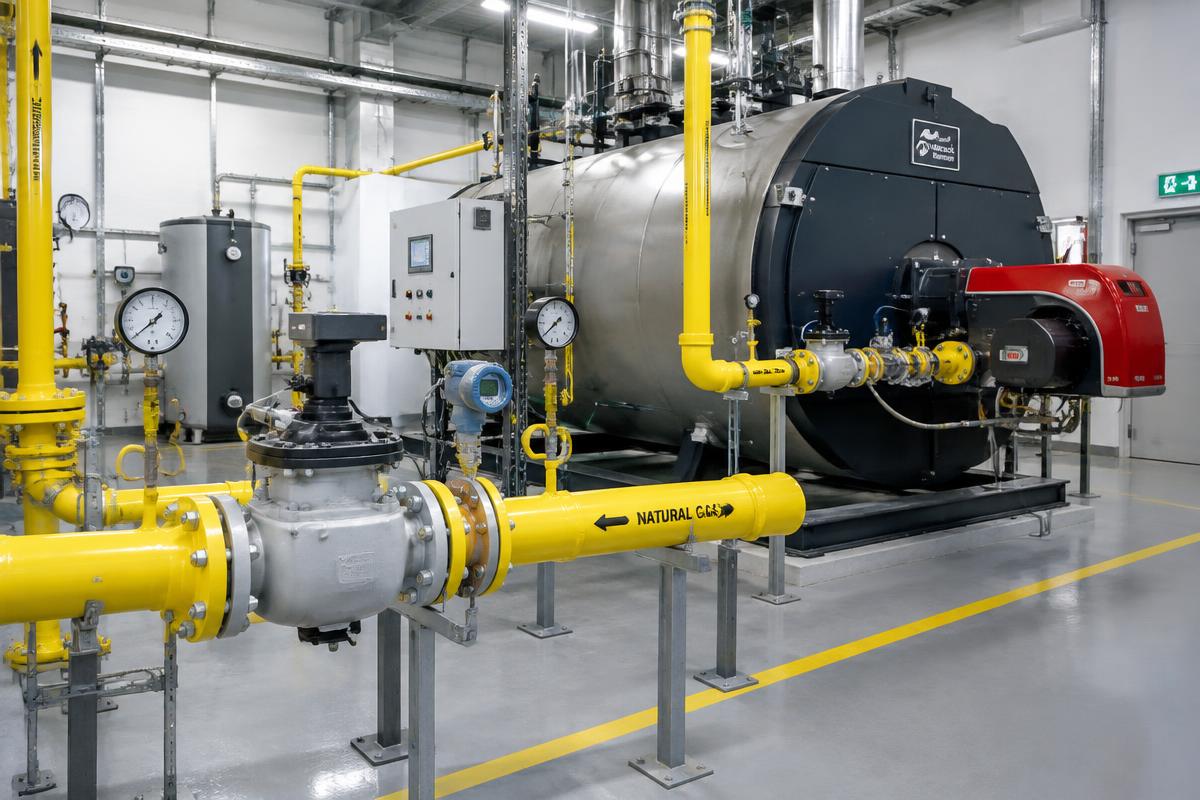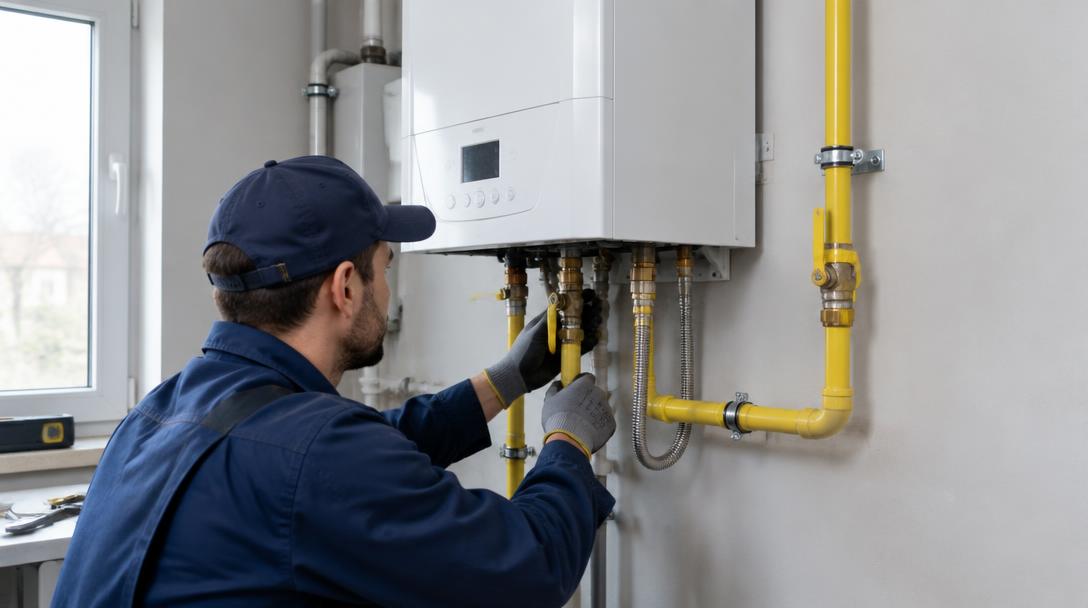
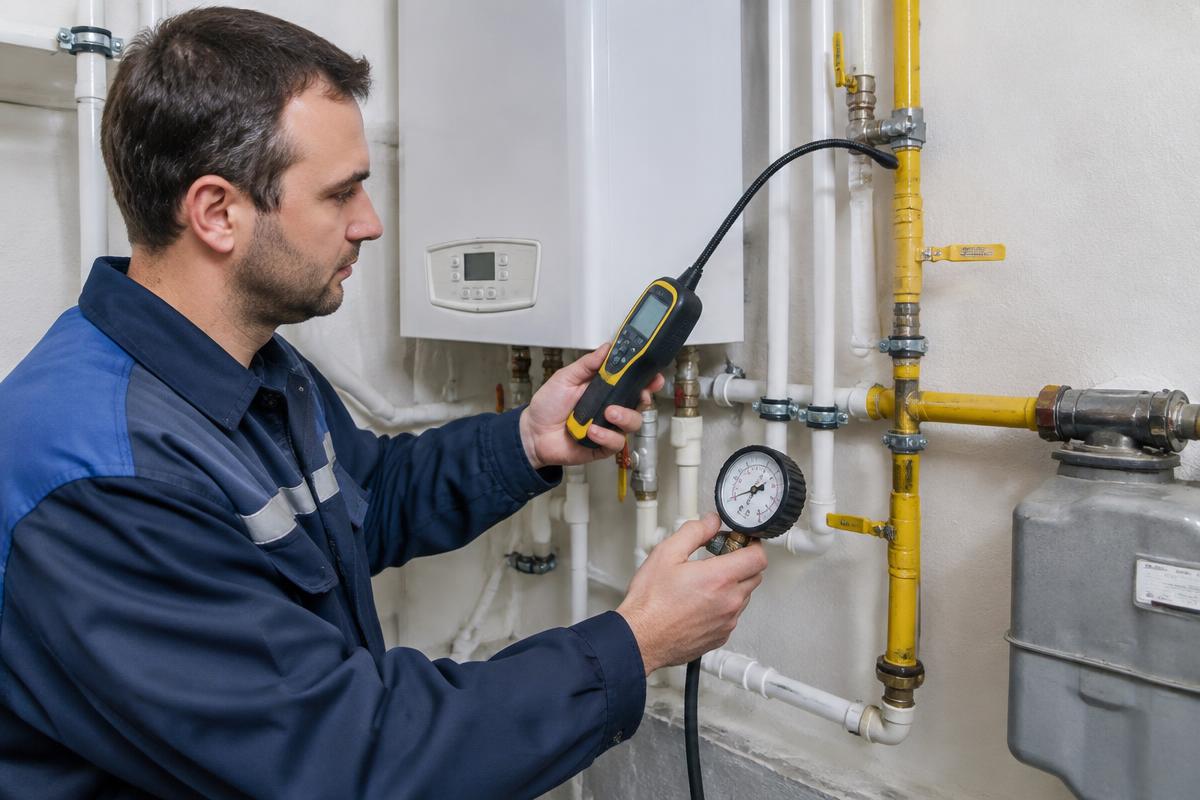
When a detector occasionally triggers alarms without an obvious leak, it should not be automatically considered faulty. First, the actual presence of gas must be ruled out, and then the sensor should be examined.
Inspection with a portable instrument
The concentration in the area is confirmed using an appropriate portable instrument, in accordance with the facility's safety procedure.
Sensor positioning
If the detector is located near a vent, door, draft, or an area with periodic emissions, it may be momentarily affected.
Calibration
A sensor with expired calibration or aging may exhibit drift and provide incorrect readings.
Environmental effects
Humidity, dust, temperature, or the presence of other substances can affect certain types of sensors.
Power supply and signal
Check the stability of the power supply, the analog signal, and the wiring to the PLC or gas detection panel.
Reset decision
The alarm should not be cleared as "false" without documented confirmation that there is no actual leak.