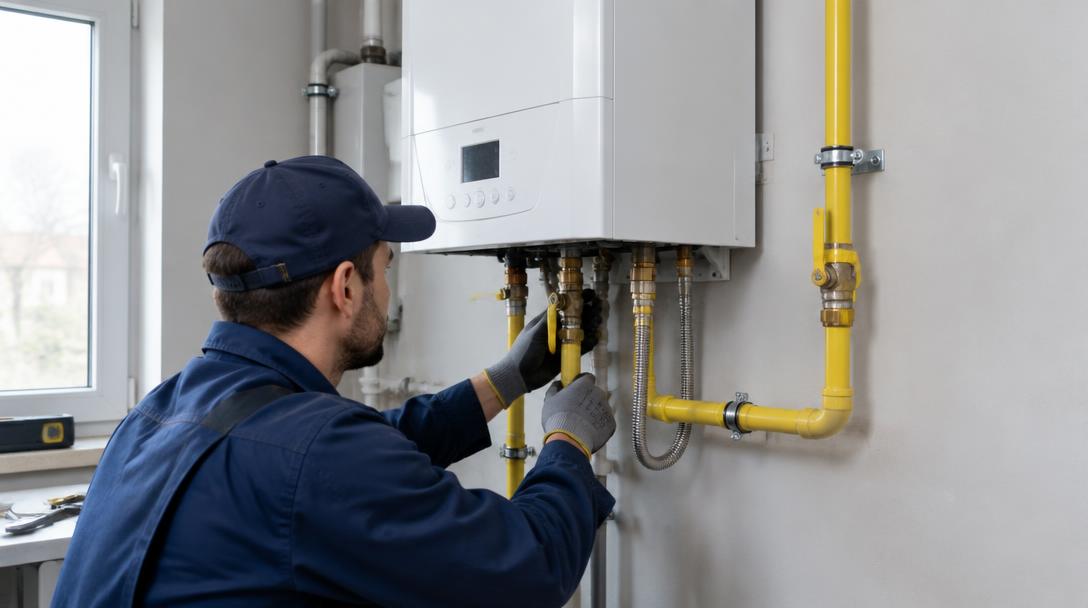
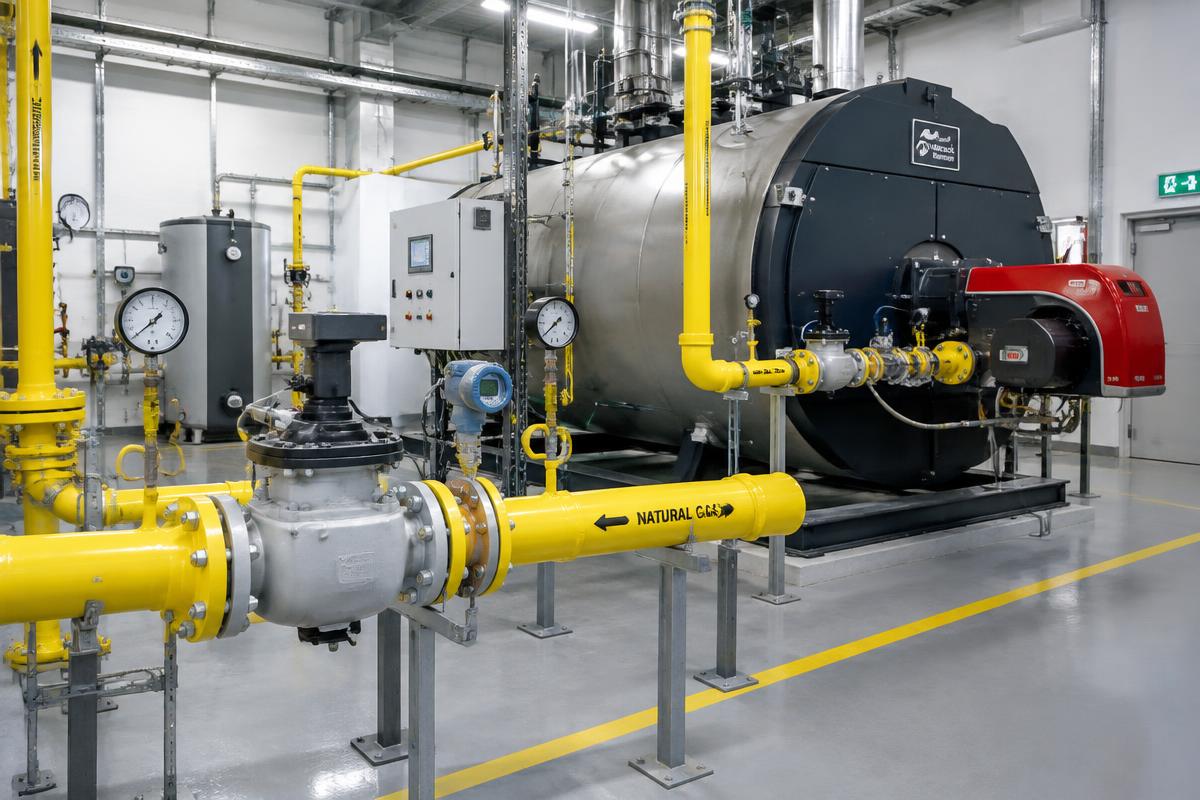
Before a new or modified natural gas network is put into regular operation, an organized inspection and commissioning process is required. The goal is to confirm that the installation has been constructed according to the design, is leak-proof, and that the safety devices are functioning as intended.
Visual and construction inspection
Correspondence with drawings, materials, pipe supports, component orientation, valve accessibility, and proper labeling are checked.
Leak test
The test is carried out using the prescribed procedure, the appropriate test medium, and calibrated instruments. Pressures, durations, and acceptance criteria are determined by the design, applicable requirements, and the instructions of the responsible engineers. Arbitrary values are not applied.
Inspection of instruments and safety devices
Pressure switches, safety valves, ESDs, detectors, pressure transmitters, and interlocks must be functionally tested. It is not enough for them to be installed; it must be proven that they provide the correct response.
Sequence validation
Burners and related equipment are checked to ensure they follow the correct start-up and safe shutdown sequence. Tests are performed in a controlled manner and by appropriately authorized personnel.
Documentation
Test results, settings, instruments used, and any observations must be recorded. Documentation is essential for future maintenance and for comparison when a failure occurs.
After modification
Even a seemingly small change, such as adding a new branch or replacing a major component, can affect hydraulic behavior and safety logic. For this reason, re-verification of the installation is critical.