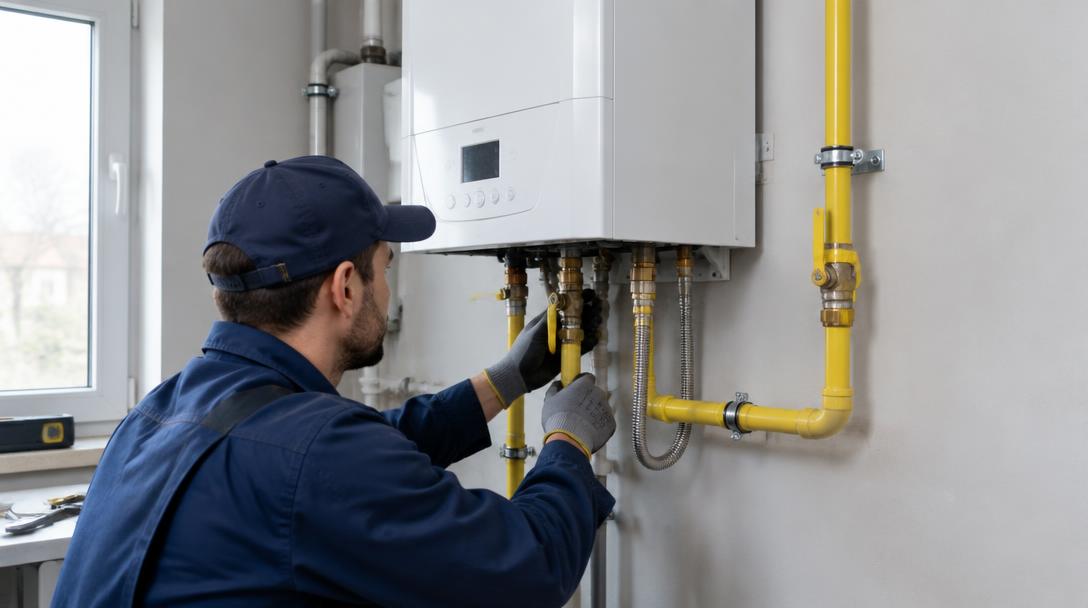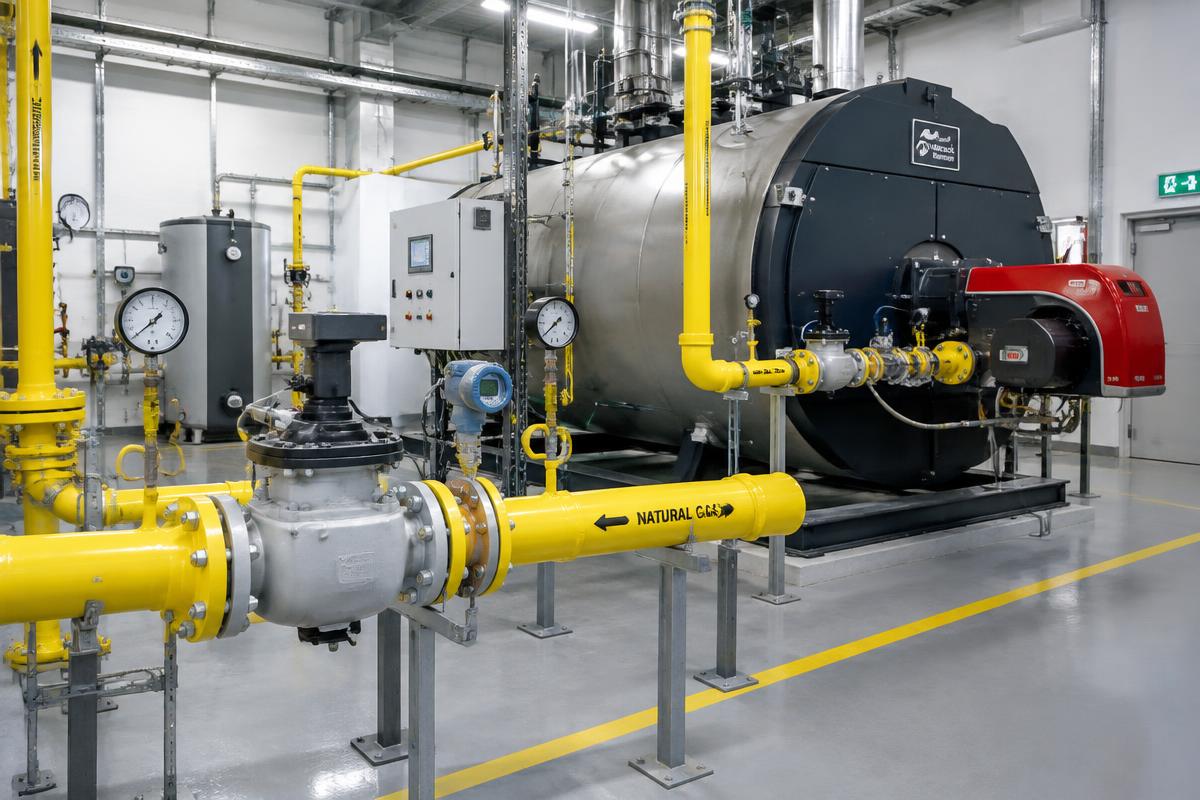
After working on a filter, regulator, solenoid valve, pressostat, or piping, it is not enough to simply reassemble the components and start the system immediately. An organized inspection is required to ensure the gas train is leak-proof, correctly connected, and operating according to the safety sequence.
1. Visual and mechanical inspection
Verify flow direction, correct component positioning, piping support, pulse line connections, and the condition of electrical wiring. Check that no plugs, tools, or temporary bypasses remain.
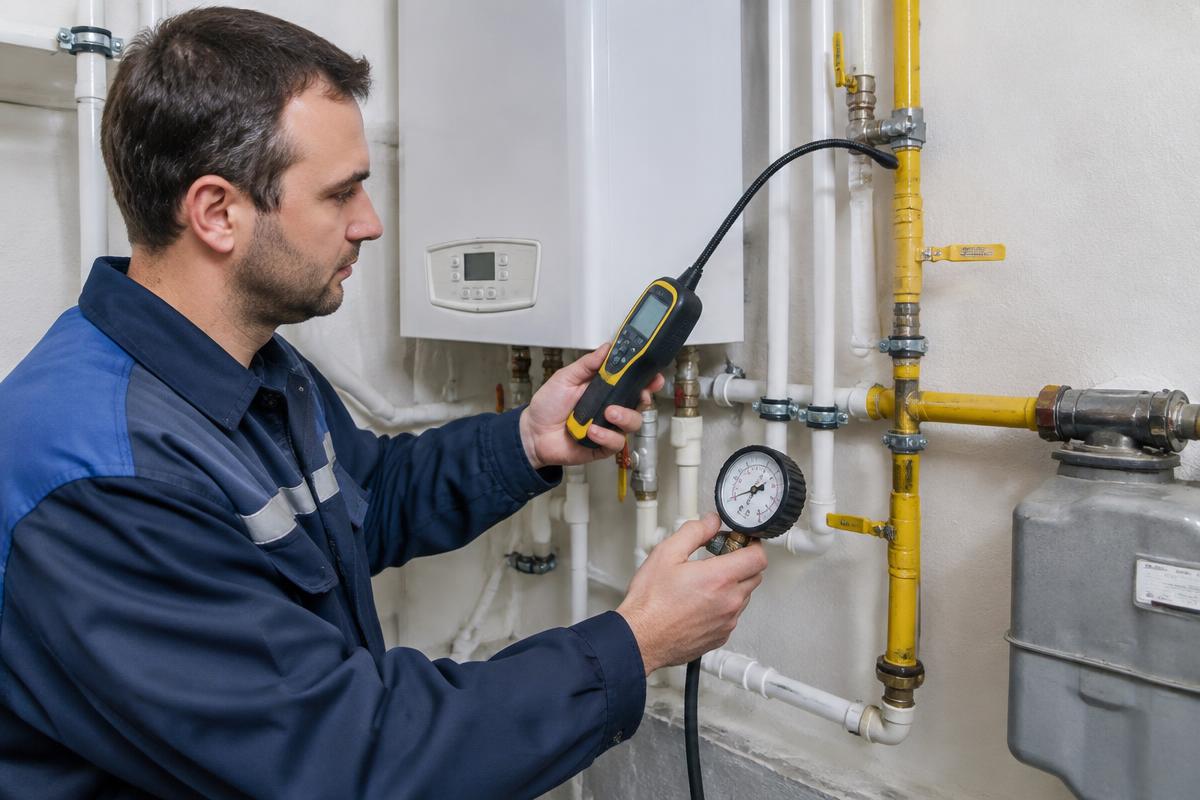
2. Leak test
Any point that was opened or disconnected must be tested using the prescribed leakage procedure and appropriate equipment. The absence of smell is not an acceptable test.
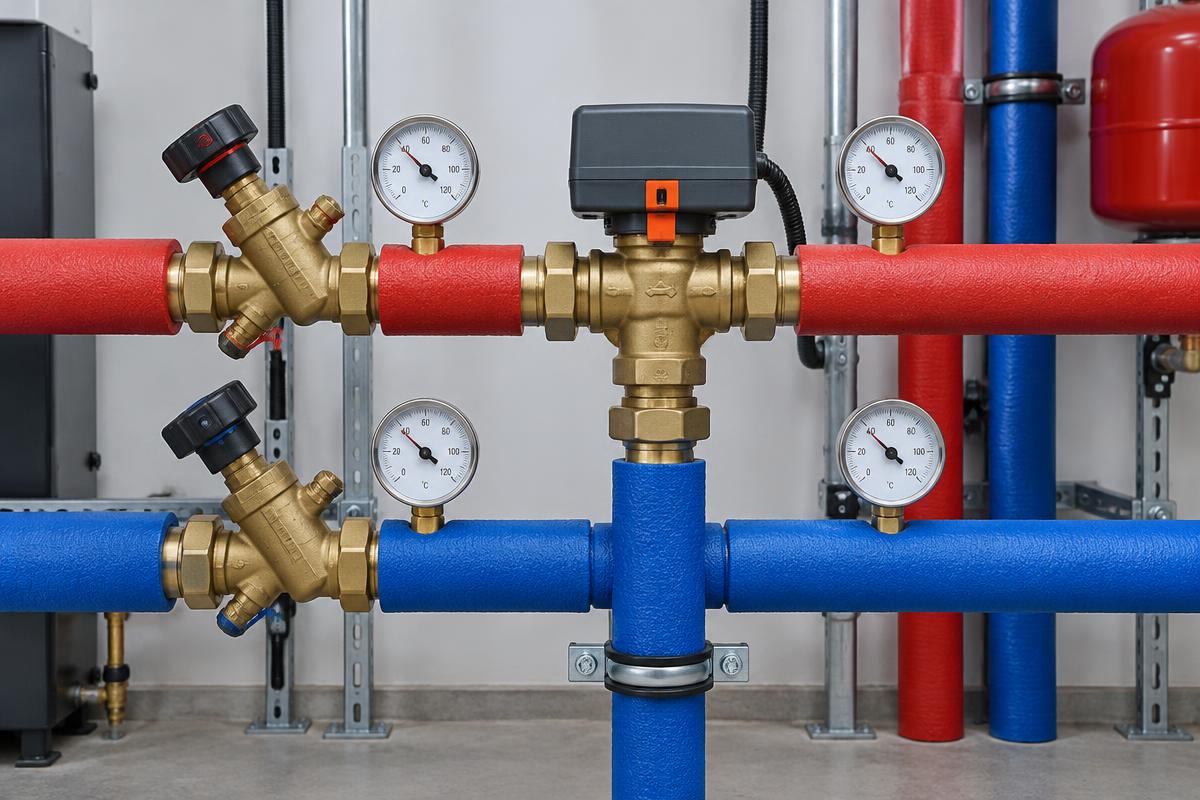
3. Pressure check before startup
Record the supply pressure and verify that it is within the permissible limits for the regulator, valves, and burner.
4. Permissives check
Before the valves open, the controller must receive the correct signals from the pressostat, proof-of-closure, combustion air, and other safety devices specific to the installation.
5. First startup monitoring
During startup, observe dynamic pressure, the timing sequence of valve opening, ignition, and flame stabilization. Unusual noise, a sudden pressure drop, or delayed ignition require immediate shutdown and investigation.
6. Load test
If the installation is safe and the process allows, check behavior under higher demand. Many problems only manifest when gas flow increases.
7. Documentation
Record final pressures, setpoints, replaced parts, and observations. This provides a reference point for future diagnostics.
Rule: No safety device may remain bypassed or out of service after maintenance. The final state must correspond to the approved system configuration.