The Importance of Preventive Maintenance in Industry
In the modern industrial environment, the uninterrupted operation of mechanical installations is the cornerstone of productivity. Industrial maintenance is no longer a “necessary expense” but a strategic investment. For a technician or a production manager in Greece, transitioning from corrective maintenance (repairing after a failure) to preventive maintenance can reduce operating costs by up to 30%.
Preventive Maintenance is based on scheduled inspections and tasks performed at regular intervals, regardless of whether the machine is showing a problem. The goal is to identify wear before it leads to costly production downtime.
Designing an Effective Preventive Program
A well-structured maintenance program must be customized to the needs of the facility. The key stages include:
- Equipment Inventory: Creating a registry for every machine (boilers, circulators, heat exchangers, air compressors) with serial numbers and failure history.
- Frequency Definition: Based on operating hours or calendar intervals (e.g., monthly, semi-annually, annually).
- Checklists: Specific instructions for every technician so that no critical point is overlooked.
- Risk Analysis: Prioritizing machinery. A central steam boiler has a higher priority than a secondary recirculation pump.
Common Mechanical Faults in Industrial Heating Systems
As field technicians, we face specific fault patterns that repeat in Greek industries:
1. Corrosion and Scale Deposits
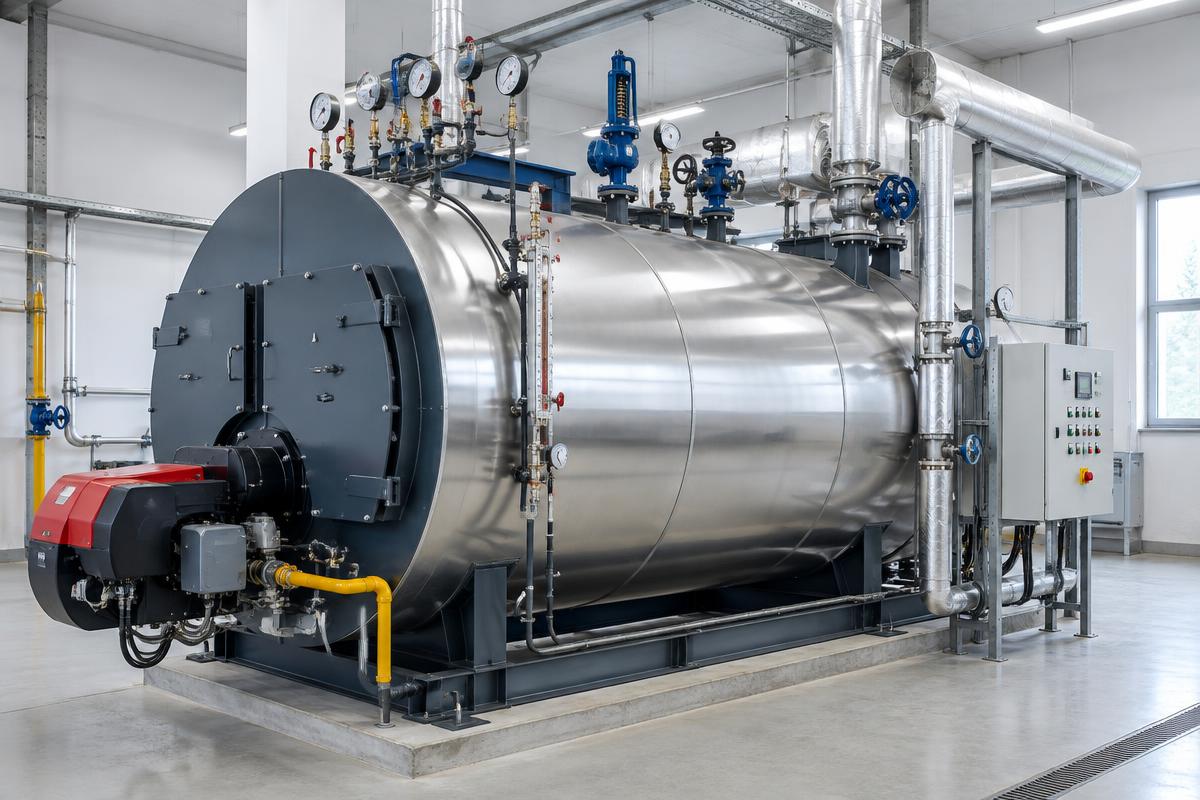
In boilers and heat exchangers, poor feed water quality is the number one enemy. The accumulation of scale reduces thermal efficiency, increasing fuel consumption. At an advanced stage, oxidation can lead to the perforation of tubes or the boiler body.
2. Circulator and Pump Failure
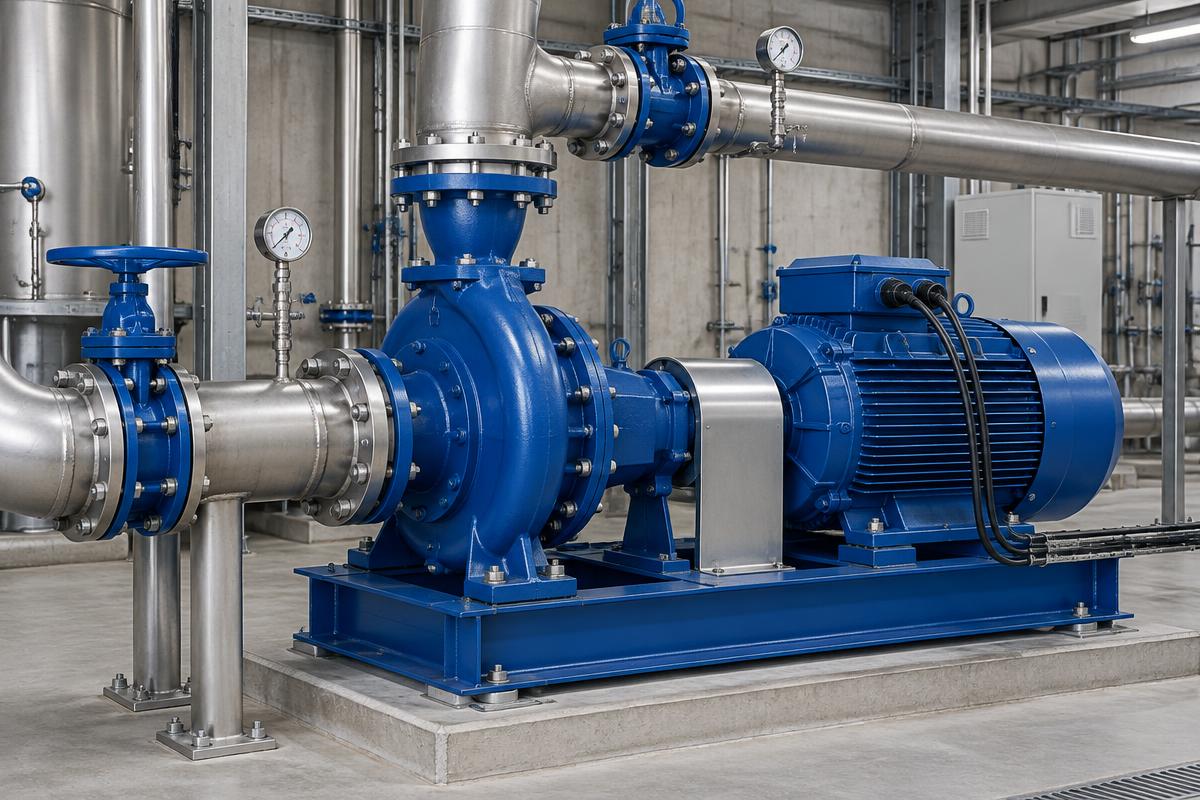
Failures in bearings or the destruction of mechanical seals are common. They are often caused by cavitation due to incorrect system pressure or lack of alignment.
3. Combustion and Emissions Problems
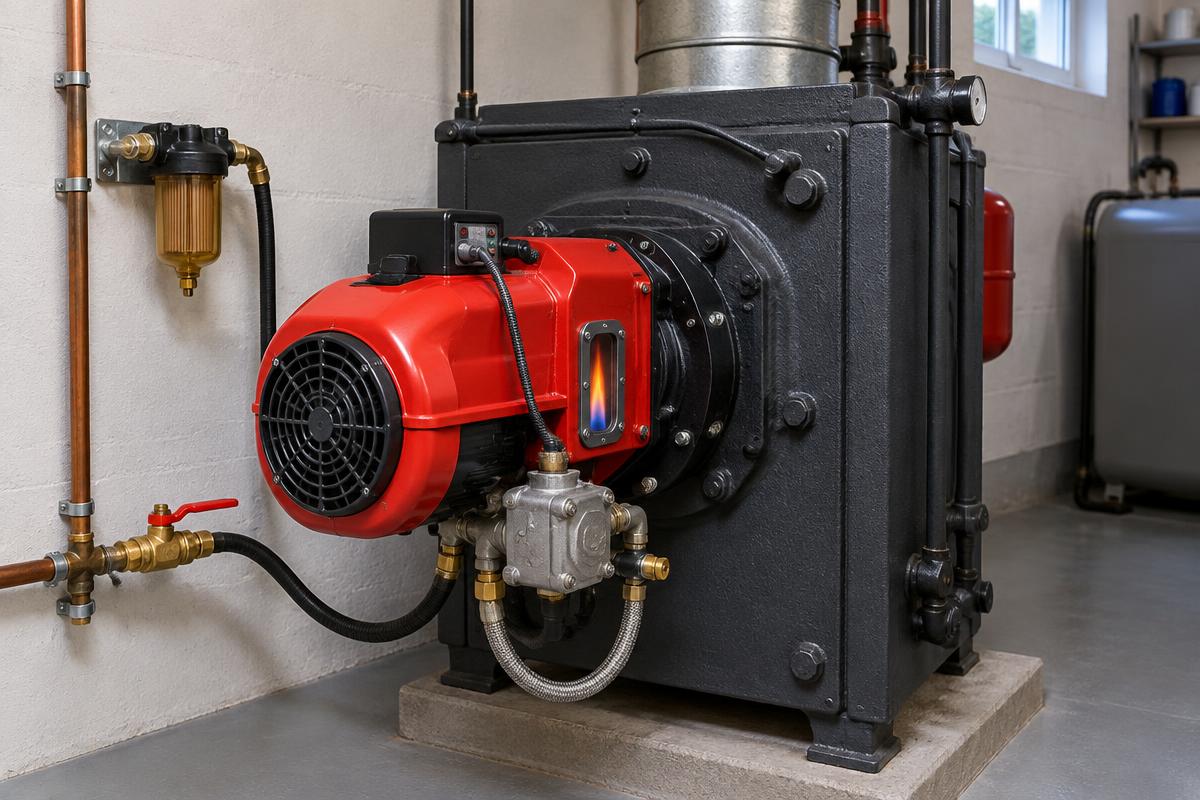
In natural gas or oil burners, the accumulation of soot and incorrect air-fuel ratio settings lead to incomplete combustion. This not only burdens the environment but also causes thermal stress in the combustion chamber.
Diagnostic Techniques and Modern Tools
Modern technology provides tools that allow for the "prediction" of faults without disassembling machines:
- Thermography: Using a thermal camera to detect overheating in electrical panels or insulation losses in steam piping.
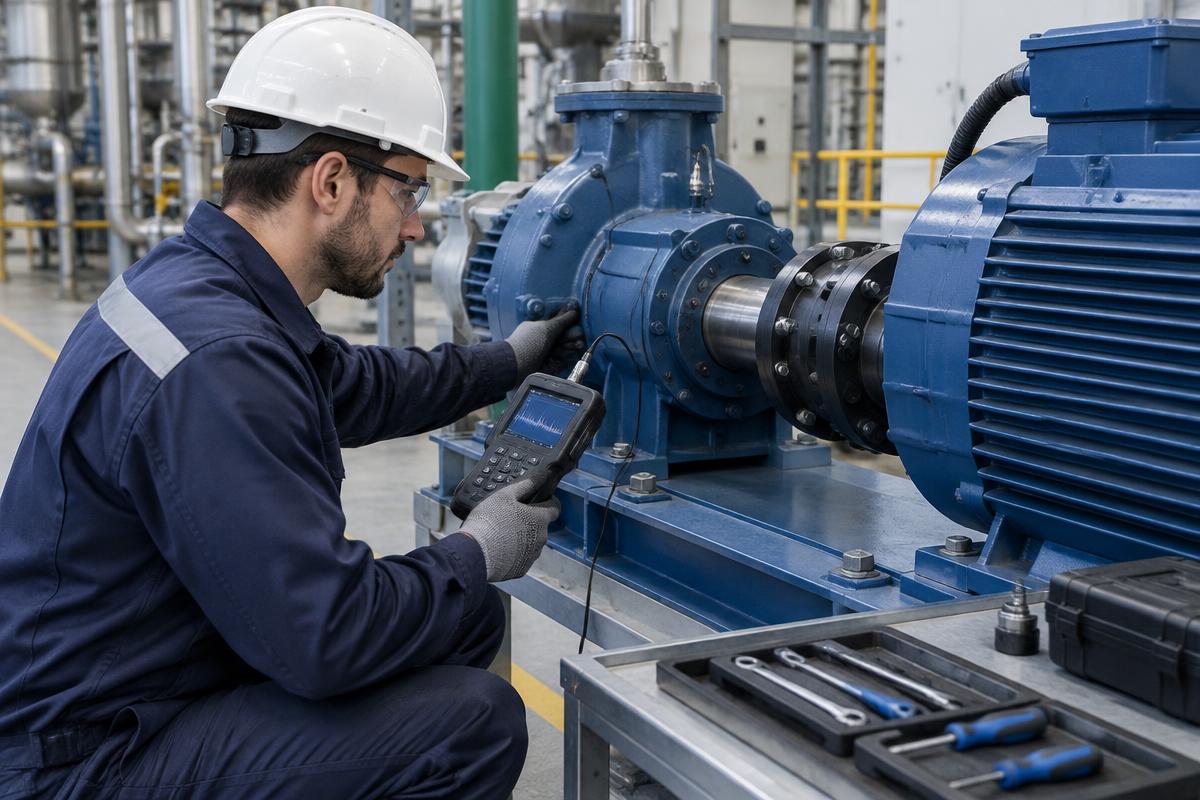
- Vibration Analysis: Especially useful in high-power motors and fans to detect asymmetry or bearing wear.
- Water Chemical Analysis: Regular checks of hardness, pH, and conductivity to prevent corrosion.
Economic Benefits and Safety
Implementing a preventive maintenance program in Greece, where energy costs are high, pays for itself immediately. Fuel savings of 5-10% through cleaning heat exchange surfaces can amount to thousands of euros annually for a medium-sized enterprise.
At the same time, personnel safety is non-negotiable. A poorly maintained steam boiler poses a potential explosion risk. Adherence to standards (such as ELOT) and regular testing of safety devices (pressure switches, relief valves) are mandatory.
Frequently Asked Questions (FAQ)
1. How often should an industrial burner be maintained?
General maintenance should be performed at least once a year. However, in units with 24-hour operation, a combustion adjustment check is recommended every six months.
2. What is the cost of preventive maintenance compared to repair?
Statistically, preventive maintenance costs 3 to 4 times less than an emergency repair, considering the cost of express spare parts and lost production.
3. How do I know if the heat exchanger needs cleaning?
An increase in the temperature difference (Δt) between inlet and outlet or a pressure drop beyond the manufacturer's limits are clear indications of deposits.
4. Is it necessary to use CMMS software?
For large facilities, a Computerized Maintenance Management System is essential for tracking tasks. For smaller units, a well-organized digital file is sufficient.
Conclusion
Industrial maintenance is not just about "greasing" machines. It is a holistic approach that includes understanding engineering, water chemistry, and data analysis. By investing in prevention, you ensure the longevity of your equipment, the safety of your employees, and the sustainability of your business in the demanding Greek market.