Why is annual maintenance a necessity?
Maintaining your central or individual heating system is not just a formal obligation, but a critical process for the safety, efficiency, and longevity of your equipment. In Greece, weather conditions require boilers to operate for approximately 5-6 months per year. During this period, the boiler is subjected to high temperatures, soot accumulation, and the chemical reactions of combustion.
An unmaintained boiler operates with reduced efficiency. This means you consume more oil or natural gas to produce the same amount of heat, increasing operating costs by up to 15-20%. At the same time, the risk of carbon monoxide emissions or breakdowns that could have been prevented with a simple check increases.
How often should service be performed?
The general rule for all types of boilers (oil, gas, pellet) is once a year. The most suitable time for maintenance is immediately after the end of the heating season (April - May) or just before it begins (September - October).
- Oil Boilers: Require strict annual service due to soot accumulation in the boiler's flues.
- Natural Gas Boilers: Although combustion is cleaner, inspecting the electronic systems, expansion tank, and safety settings is mandatory annually.
- Commercial Spaces: In buildings with high consumption, a second intermediate check of combustion settings may be necessary.
What does comprehensive maintenance include?
Proper service is not just a surface cleaning. A licensed technician must follow specific steps to ensure the installation operates correctly.
1. Boiler Cleaning
Includes cleaning the inner walls of the boiler and the flue gas passages with special brushes. Removing soot improves heat transfer from the flame to the system's water.
2. Burner Maintenance and Adjustment
The burner is the heart of the system. The technician must:
- Clean or replace the nozzle (in oil boilers).
- Clean the combustion head and ignition electrodes.
- Check the photocell and fuel pump.
- Adjust the air-fuel ratio for perfect combustion.
3. Inspection of Safety Devices and Automations
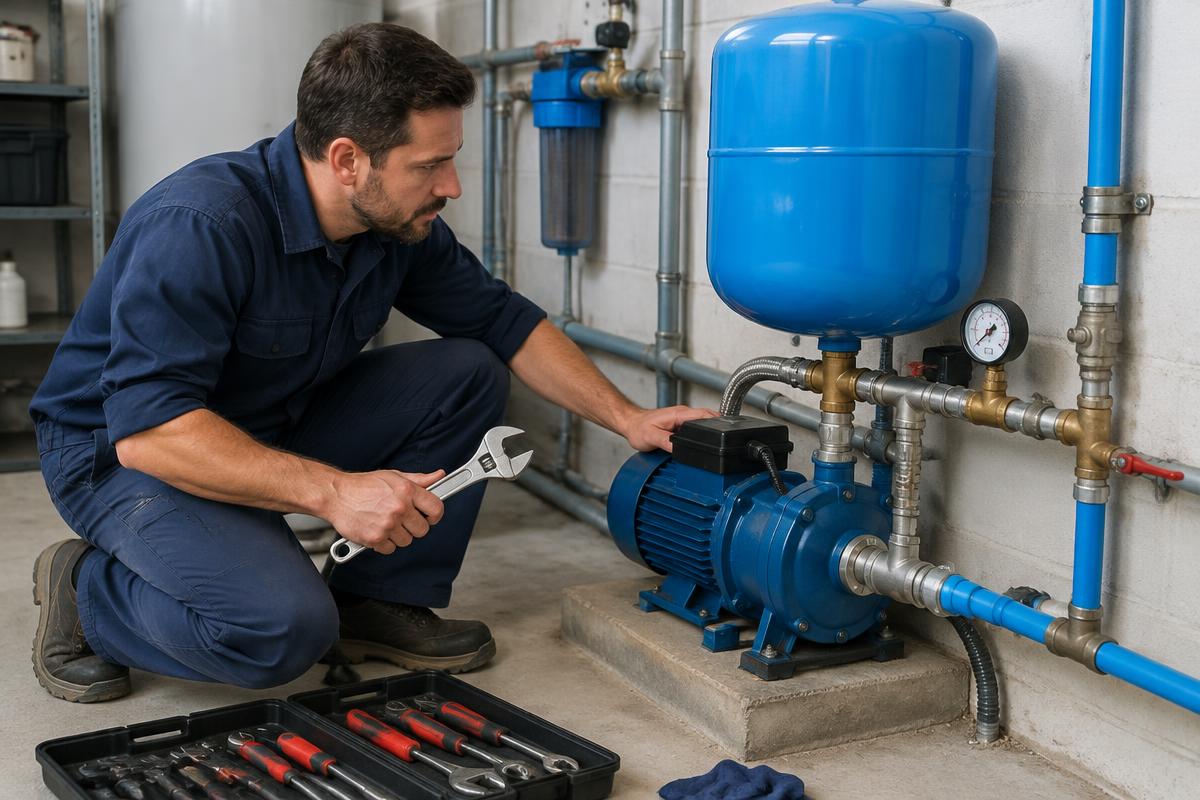
The thermostat, circulator, safety valve, and very importantly, the expansion tank pressure are checked. If the expansion tank has lost its nitrogen/air pressure, it can cause sudden pressure fluctuations in the network and leaks.
4. Flue Gas Measurement and Inspection Report
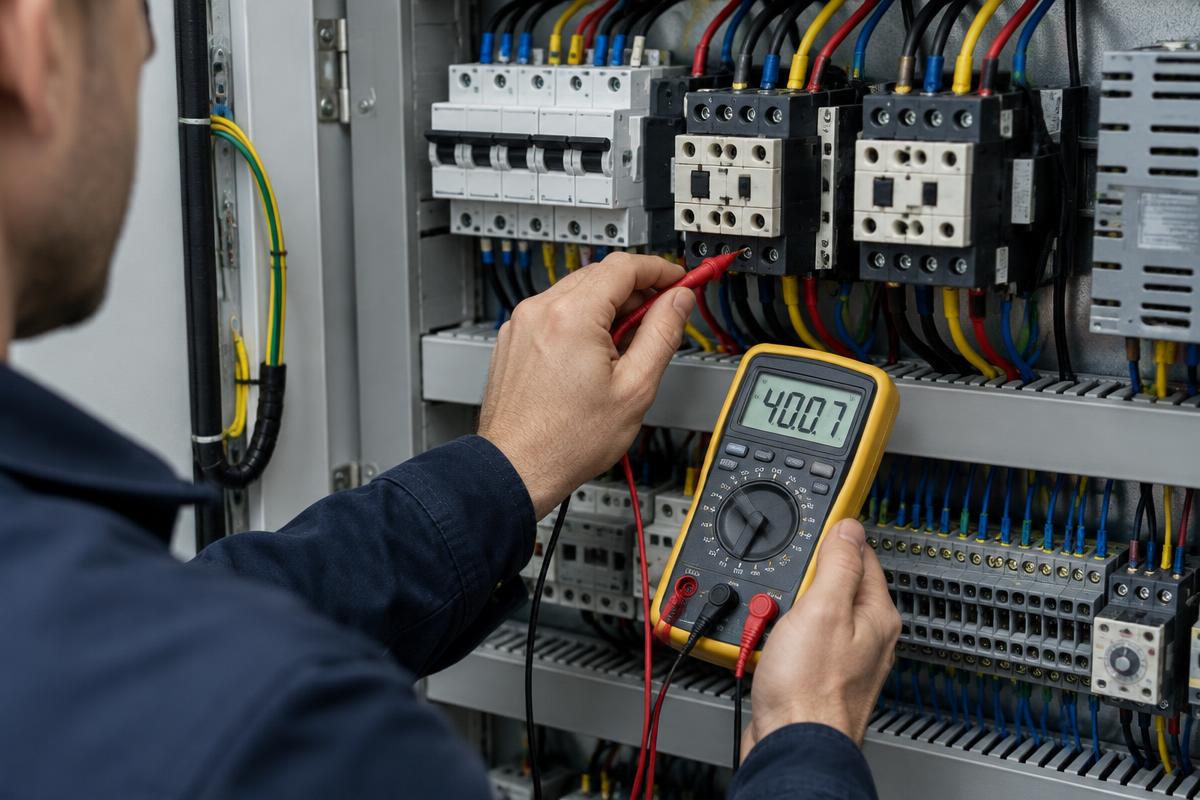
After adjustments, the technician uses an electronic flue gas analyzer to measure efficiency, output temperature, and CO2 and CO content. At the end, a legal Inspection Report is issued, which is mandatory by law and necessary for any inspection by authorities or the gas distribution company.
Common signs that you need a technician immediately
In addition to your scheduled appointment, you should call a technician if you notice the following:
- Black smoke from the chimney (an indication of poor combustion/lack of air).
- Unusual noises (banging or whistling) during start-up or operation.
- Frequent drops in pressure on the manometer (below 1 bar).
- Smell of exhaust gases or oil in the boiler room.
- The burner frequently goes into "lockout" mode (red light).
Frequently Asked Questions (FAQ)
Is service mandatory by law?
Yes, in Greece, annual maintenance of central heating installations is mandatory. The owner or property manager is required to keep a file of the Inspection Reports issued by the licensed technician.
How much does maintenance cost on average?
Prices in the Greek market usually range from 50€ to 80€ for a residential boiler, depending on the region and the type of equipment. The price typically does not include spare parts (e.g., nozzles, filters).
Can I clean the boiler myself?
No. Maintenance requires specialized tools (flue gas analyzers, pressure pumps) and technical knowledge. Intervention by an unlicensed person carries risks of explosion, fire, or poisoning from exhaust gases and voids the manufacturer's warranty.
Does fuel quality affect service frequency?
Absolutely. Adulterated or poor-quality oil creates deposits very quickly and clogs filters, potentially requiring a second cleaning within the same season.
Conclusion
Annual boiler maintenance is not an expense, but an investment. With proper service, you ensure your system operates with maximum possible economy, provides safety for your family, and you avoid costly breakdowns in the middle of winter. Do not neglect your appointment with your technician; prevention is always preferable to repair.