The importance of preventive maintenance in building facilities
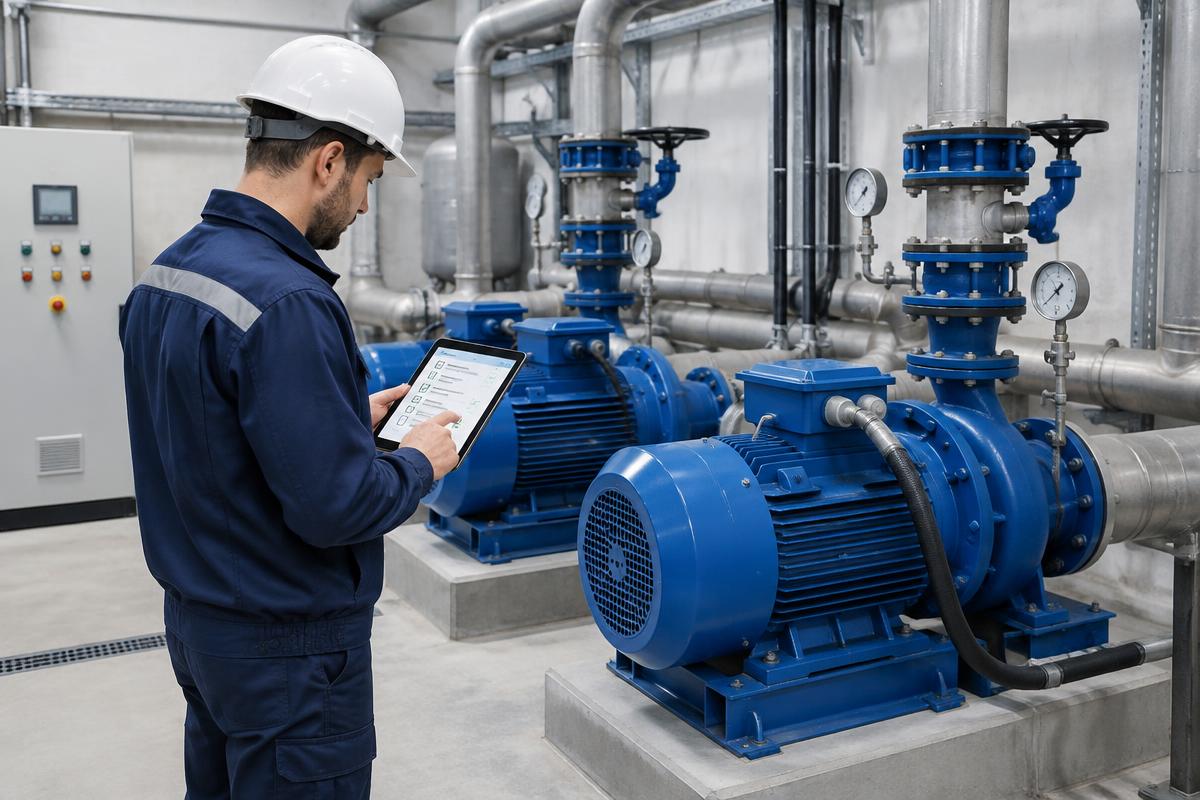
Preventive maintenance is not just a routine obligation, but an investment in the longevity of your property. In Greece, extreme temperature fluctuations and water quality in many areas put significant strain on heating and plumbing systems. A well-structured annual inspection program can reduce fuel consumption by up to 15%, while preventing costly breakdowns that usually occur at the most inconvenient times.
Autumn: Preparing the heating system
September and October are the ideal months to check the heating before the first cold weather begins. Timely maintenance ensures that equipment will operate at maximum efficiency when needed.
Boiler and Burner Maintenance
- Combustion chamber cleaning: The accumulation of soot on the boiler walls acts as an insulator, preventing heat transfer to the water.
- Burner adjustment: The technician must use a flue gas analyzer to adjust the air-fuel ratio, ensuring low emissions and economy.
- Nozzle and filter check: For oil-fired boilers, replacing the nozzle and cleaning the filters is essential to avoid blockages.
Radiator Network
Bleeding the radiators is the simplest but most critical task. Trapped air prevents water circulation, causing the radiator to remain cold at the top. At the same time, radiator valves should be checked for any leaks or stuck valves.
Plumbing and Water Supply Network Check
Plumbing failures often start as small leaks that evolve into serious moisture and corrosion problems. An annual inspection should include:
- Network pressure check: Excessive pressure puts a strain on pipes and faucets. Installing a pressure reducing valve can save the installation.
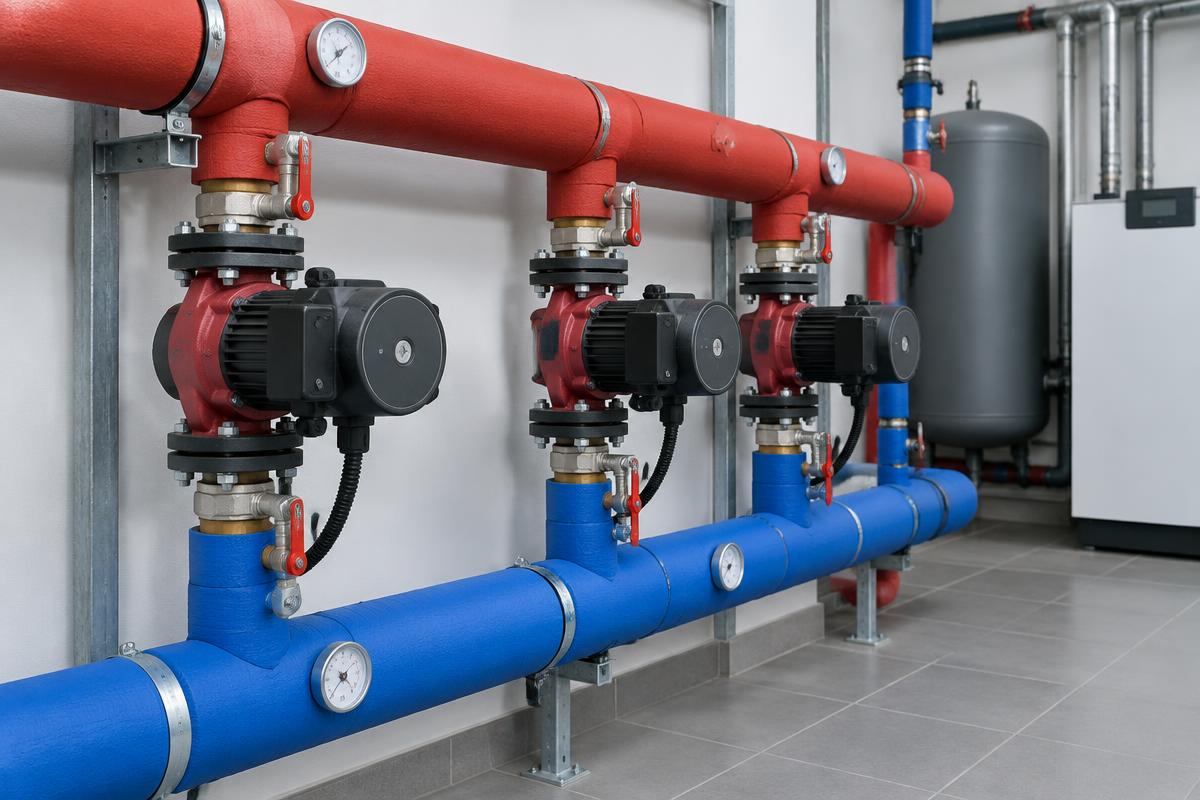
- Expansion vessel check: Both in heating and solar systems, the expansion vessel must have the correct nitrogen or air pressure to absorb contractions and expansions.
- Visible piping inspection: Checking joints and connections under sinks and in common areas for signs of oxidation.
Solar Water Heater and Boiler Maintenance
In Greece, the solar water heater operates almost 365 days a year. Neglecting it leads to reduced performance and damage to the collector.
- Anode replacement (magnesium rod): Should be done every 1-2 years to protect the tank from electrolysis and corrosion.
- Antifreeze liquid check: Replenishing the special liquid in the closed circuit for frost protection and better heat transfer.
- Glass cleaning: Dust reduces solar radiation absorption. A simple wash of the collectors makes a difference.
Protection against frost and emergency measures
During winter, especially in areas of Northern Greece or at high altitudes, pipe protection is crucial. External pipes that are not adequately insulated are at risk of bursting. The use of thermal insulation shells (Armaflex) and maintaining a minimum water flow in extreme conditions are practices recommended by all professional technicians.
Frequently Asked Questions (FAQ)
1. How often should natural gas burner maintenance be performed?
Maintenance of wall-mounted gas boilers must be performed annually. It includes cleaning the heat exchanger, checking flow sensors, and adjusting the gas valve for safety and economy.
2. Why does my solar water heater not produce very hot water even when it is sunny?
The most common causes are a lack of antifreeze liquid in the closed circuit, scale accumulation on the heating element, or the fact that the anode has dissolved and the tank requires cleaning.
3. Is chemical cleaning of radiators necessary?
Not annually. Chemical cleaning is recommended if the system is old (over 15 years old) and you notice that the radiators take a long time to heat up or have sludge inside that hinders circulation.
4. What is the ideal pressure for the heating network?
For an average residence, the pressure with a cold system should be between 1.2 and 1.5 bar. If the pressure rises above 3 bar during operation, there is likely a problem with the expansion vessel.
Conclusion
Preventive maintenance is the key to a safe and economical home. By following an annual inspection program, you not only ensure your family's comfort but also avoid the unforeseen expenses that arise from negligence. Always trust licensed technicians for these tasks, as the safety of gas and heating installations requires specialized knowledge and equipment.