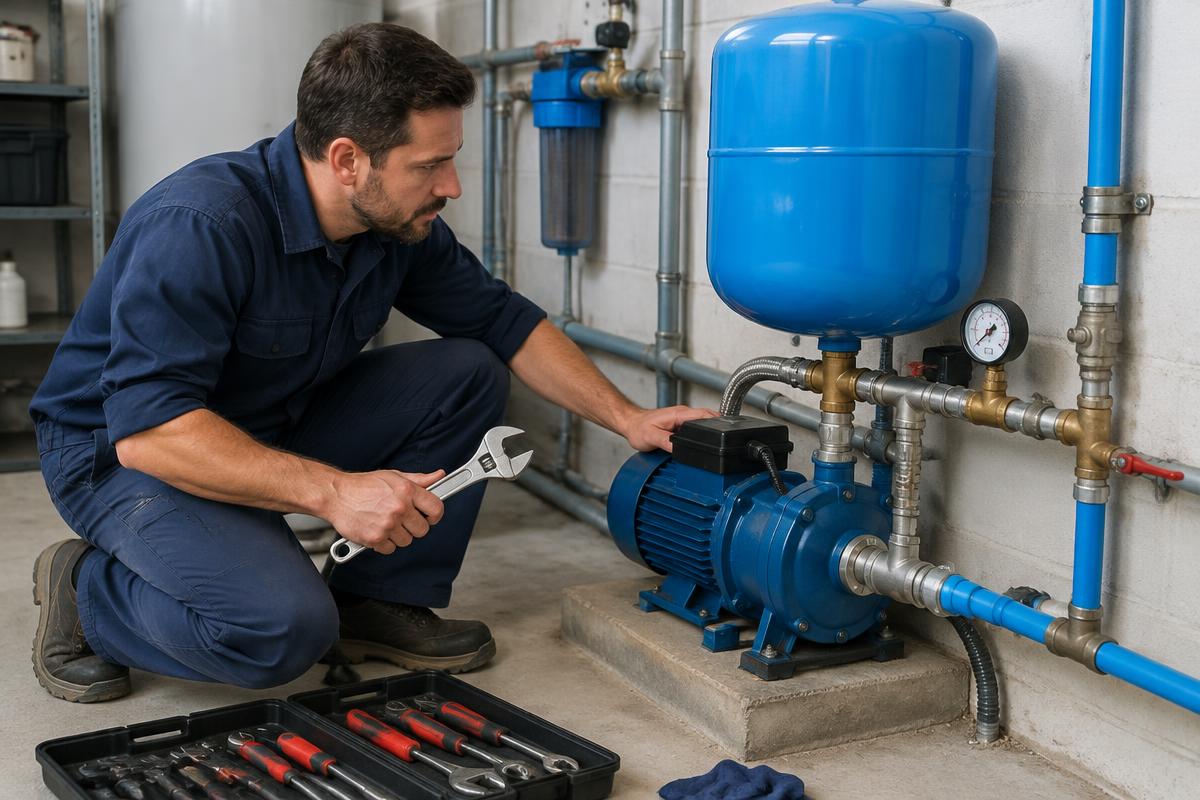
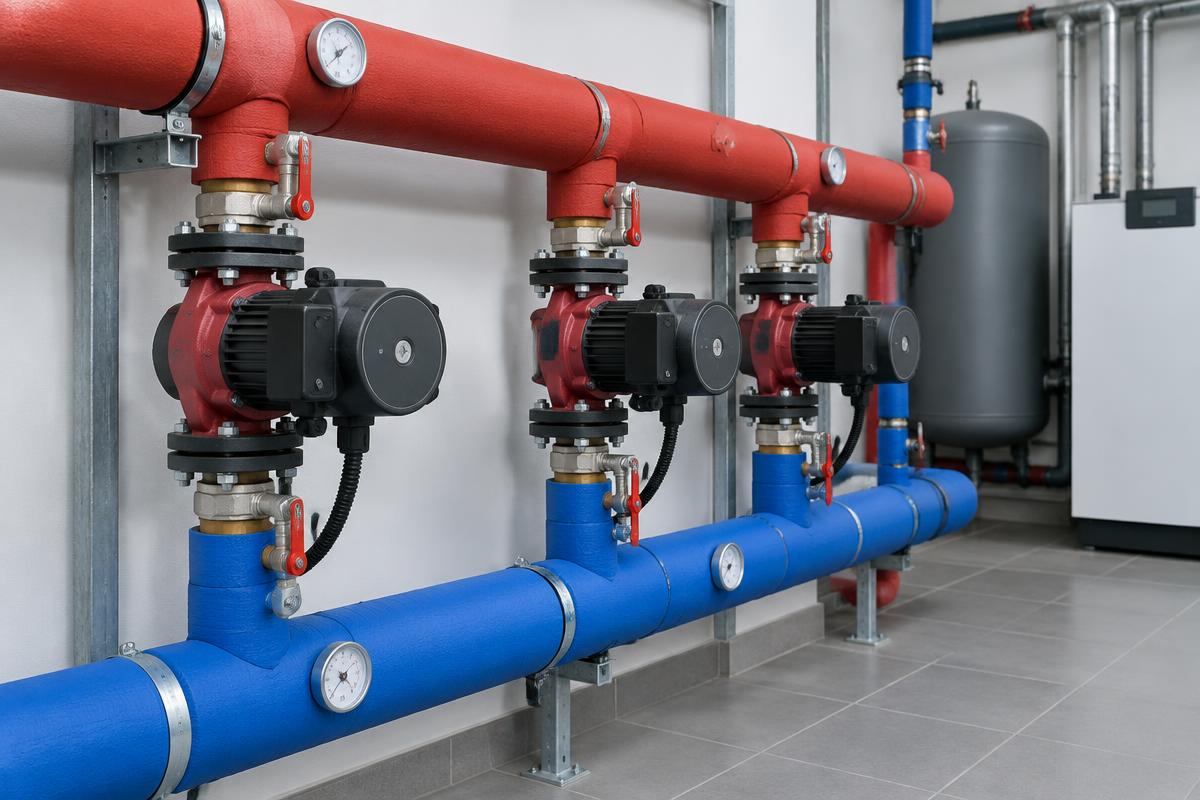
Introduction: The heart of the heating system
The circulator pump is the component that transfers hot water from the boiler to the radiators or underfloor heating system. In essence, it is a pump that ensures the continuous flow of water within the circuit. Despite its small size, its proper operation is crucial for system efficiency and energy consumption. As technicians, we often see that a minor malfunction in the circulator pump can leave an entire house without heating or cause electricity bills to skyrocket.
Common faults and causes of malfunction
Faults in circulator pumps are usually due to either old age or poor water quality in the circuit. Here are the most common cases:
1. Stuck circulator pump (Blockage)
After the summer period of inactivity, it is very likely for the circulator pump to "stick". This happens due to deposits of limescale or rust (black sludge) that accumulate on the shaft. The motor tries to start, but the impeller is immobilized.
2. Burnt capacitor
In older three-speed circulator pumps, the start capacitor is the first component to fail. If you hear a hum but the pump is not turning, often replacing the capacitor is sufficient instead of replacing the entire unit.
3. Water leak (Seal)
If you notice water under the circulator pump or rust at the joints, then the sealing gaskets have worn out. In many cases, repair is not cost-effective compared to replacement.
What do the noises in the circulator pump mean?
Noise is the machine's way of telling you that something is wrong. We must distinguish the type of noise:
- Metallic knocking or rattling: Usually indicates worn bearings. The shaft has developed play and the impeller is hitting the housing.
- Flow noise (like running water): This means there is air in the circuit. Bleeding is required from the circulator pump itself (by slightly unscrewing the center screw) or from the radiators.
- Whistling: Often due to a very high operating speed relative to the needs of the radiators, creating high friction in the pipes.
When is replacement necessary?
Replacement of a circulator pump should not only happen when it burns out completely. There are cases where a change is mandatory for economy and safety reasons:
- Age over 10-15 years: Old fixed-speed circulators consume up to 80-100 Watts continuously. A modern Inverter model consumes from 5 to 40 Watts.
- Repeated sticking: If you have to unstick it every week, the impeller has suffered permanent corrosion.
- Switching to thermostatic valves: If you install thermostatic valves on your radiators, the old circulator pump will be strained when the valves close. You definitely need a variable-speed (Inverter) circulator pump.
The importance of the Inverter and proper adjustment
According to the European ErP directive, only high-energy efficiency circulator pumps are now sold. These pumps "read" the resistance of the network. When you close the radiators in certain rooms, the Inverter automatically reduces its speed.
This offers:
- Noise reduction in the pipes.
- Huge savings on electricity (up to 70-80%).
- Longer lifespan, as it does not always operate at 100%.
Frequently Asked Questions (FAQ)
How can I unstick the circulator pump myself?
With the power off, unscrew the large screw on the front of the circulator pump (a little water will leak out). Insert a flat-head screwdriver into the slot and manually rotate the shaft left and right until it is released.
Why do circulator pumps often burn out in my area?
If the power grid has voltage fluctuations, the circuit boards of modern circulators are sensitive. Also, if the water has a lot of limescale and no magnetic filter has been installed, the deposits destroy the bearings.
How much does a good circulator pump cost?
Prices for a reliable Inverter circulator (for an average residence) range from 120€ to 220€, excluding installation labor. The investment is usually recouped within 2-3 heating seasons through your electricity bill.
Conclusion
The circulator pump is a component we often neglect until it presents a problem. Proper maintenance, the addition of a magnetic filter to the circuit, and timely replacement of an old model with a modern Inverter are the best investments for a quiet and economical heating system. If your circulator pump is making strange noises or getting excessively hot, call a licensed technician before the fault leaves you in the cold.