Introduction to household network leaks
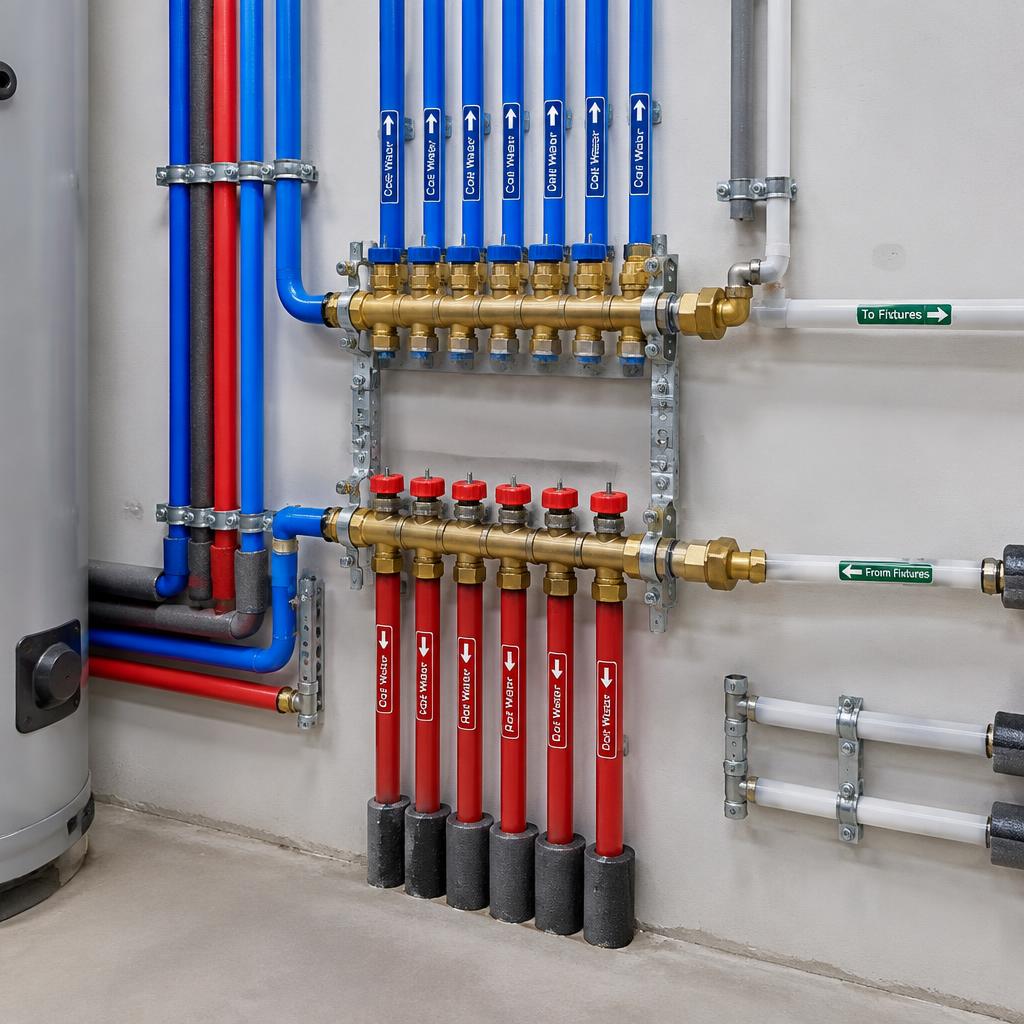
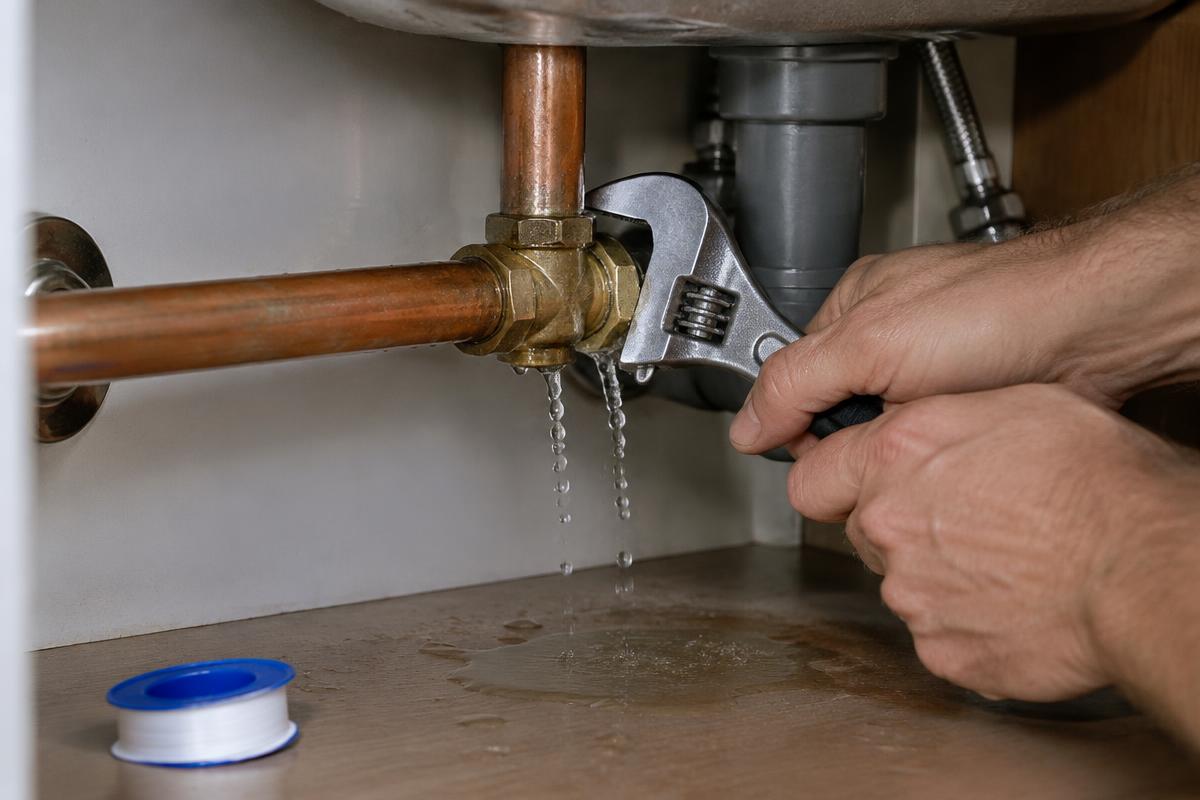
A leak in the water supply network is not just an annoying dripping sound or an inflated bill. For a homeowner in Greece, where older buildings have pipes that are decades old, an invisible leak can undermine the structural integrity of building components and cause costly damage. Understanding how the network operates and identifying critical points of failure is the first step toward effectively resolving the problem.
Main causes of leaks in Greek homes
There are many reasons why a network may fail. In everyday practice, the most common factors are:
- Corrosion and aging: Old galvanized steel pipes, which dominated construction in the 70s and 80s, corrode internally over time (oxidation), leading to holes (pitting corrosion).
- High network pressure: In many areas, the city network pressure exceeds 6-8 bar, while household appliances and connections are designed for 3-4 bar. Without a pressure reducer, the fittings are put under stress.
- Electrolysis: This phenomenon often occurs when dissimilar metals are connected (e.g., copper with iron) without the use of special insulating dielectric unions.
- Poor workmanship: Poor welding in PPR (polypropylene) pipes or incorrect tightening of fittings in multilayer piping.
- Contractions and expansions: Particularly in the hot water network, the lack of expansion joints can lead to cracks in elbows or tees.
How to detect a hidden leak yourself
Checking the meter
The simplest and most valid way to confirm a leak is to check the water meter. Turn off all faucets, the toilet flush, and appliances (washing machine) and observe the meter. If the small dial or the digital indicators are moving, then there is a leak after the meter.
Visual inspection and symptoms
Look for the following signs on walls and floors:
- Discoloration of the plaster or "bubbling" in the paint (moisture).
- Appearance of mold in areas that are not ventilated, such as behind wardrobes.
- Permanent moisture in tile grout in the bathroom.
- Drop in pressure at the faucets without an apparent reason.
Modern professional detection methods
In the past, detecting a leak meant "breaking until we find the hole." Today, an equipped technician uses non-destructive testing (NDT) methods:
Thermographic inspection
Using a high-resolution thermal camera, we can see temperature differences behind the wall. In hot water pipes, the leak appears as a hot "spot." Even in cold water, the evaporation of moisture creates a colder zone that is easily detected.
Acoustic detection (Geophones)
Specially sensitive microphones amplify the sound of water escaping under pressure. The technician "listens" to the network and pinpoints the spot where the noise is loudest.
Use of tracer gas
In very difficult cases, we drain the network and fill it with a special nitrogen-hydrogen mixture. This gas escapes from the hole and is detected on the surface with special sensors.
Steps for proper repair
Once the point of failure is identified, the repair must be done with durability in mind rather than as a temporary solution.
- Section replacement: In the case of a hole in a copper pipe, cutting and replacing the section with new soldering is preferred over using clamps, which are emergency solutions.
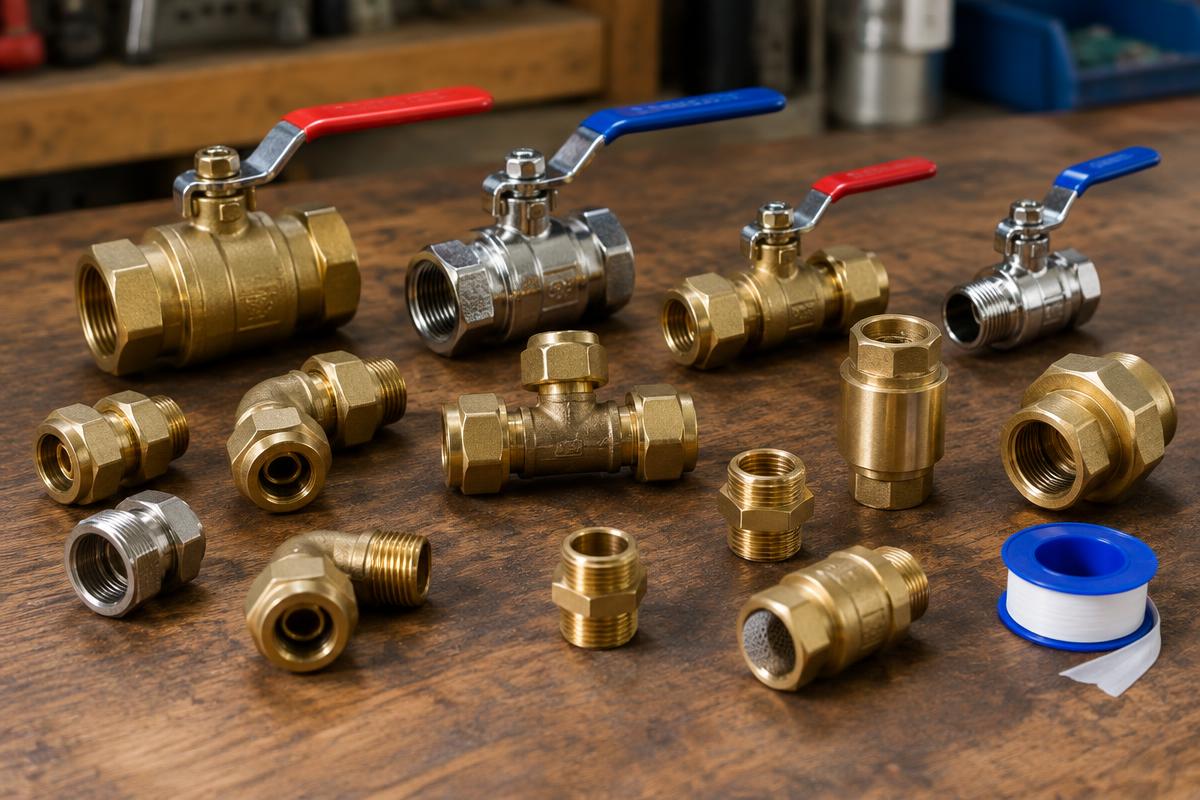
- Use of appropriate materials: If the leak is due to electrolysis, dielectric unions must be installed.
- Network pressure testing: After the repair, the technician must pressure test the network with a manual or electric pump at 10-15 bar for at least 30 minutes to ensure that the repair is sealed before the wall is closed.
Frequently Asked Questions (FAQ)
1. How much does professional leak detection cost?
In the Greek market, an inspection with a thermal camera or acoustic means usually ranges between 80€ and 150€, depending on the complexity and the area.
2. Why is the toilet running continuously?
It is usually due to a worn rubber seal on the flapper or scale buildup preventing the float valve from closing. Although it seems like a small fault, it can consume hundreds of liters of water per day.
3. Can I pour chemicals to close a hole in the pipe?
There are sealing liquids for closed heating circuits, but for the water supply network (potable water), the use of chemicals is contraindicated for health reasons. Mechanical repair is the only acceptable solution.
4. What is the ideal pressure for my home?
The ideal operating pressure is 3 to 3.5 bar. If the pressure exceeds 4.5 bar, it is recommended to install a pressure reducer at the main supply.
Conclusion
Leaks in the water supply network require composure and method. Timely detection with modern means can save you from unnecessary digging and large restoration costs. Do not ignore the first signs of moisture and trust certified technicians who have the appropriate equipment to diagnose and test your network.