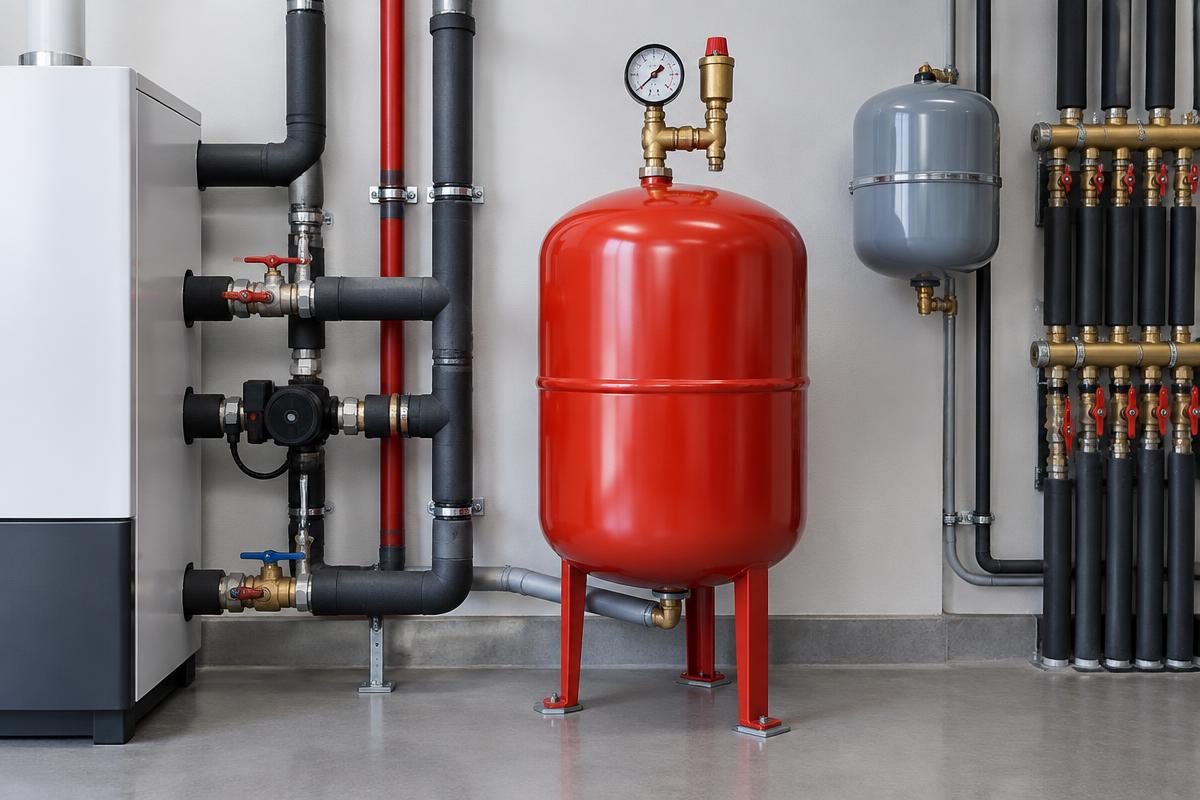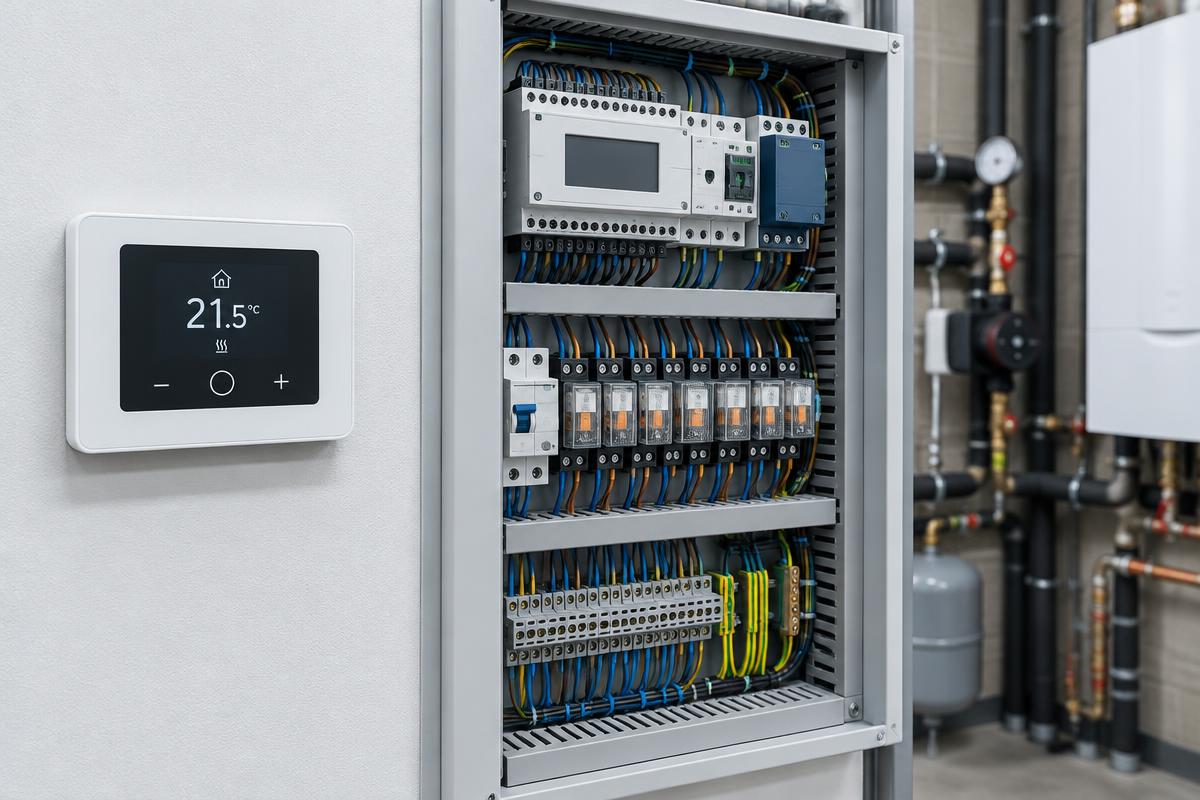
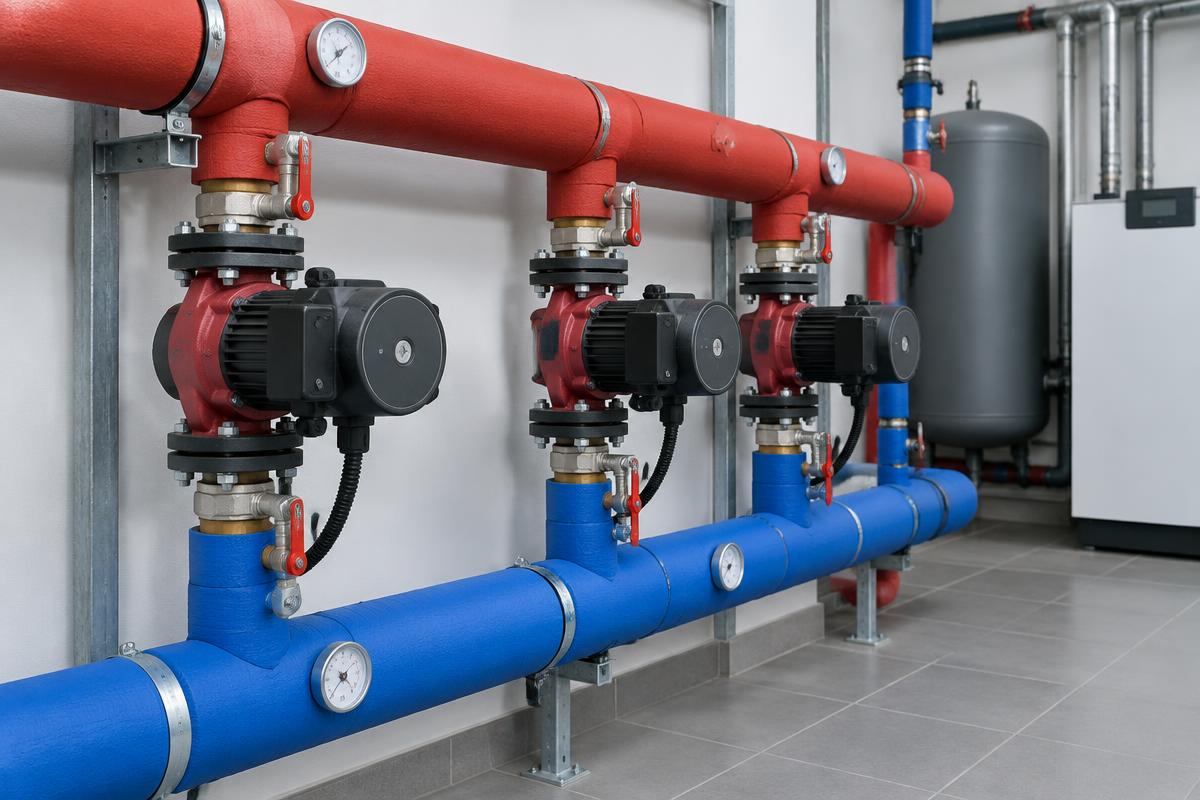
Heat pump circulator: Operation and basic principles
The "Heat pump circulator" concerns maintaining the minimum required flow through the heat pump. Correct operation is not determined only by whether the circulator is turning, but by whether the network receives the required flow with reasonable consumption.
Key technical points
ΔT, buffer tank (where present), circulator mode, and minimum flow are checked. These link the electrical operation to the actual hydraulic result.
Valuable measurements
Useful measurements are flow alarms, m³/h, ΔT, and ΔP. Values are compared under similar load conditions.
Where deviations occur
Deviations may be related to air, an incorrect setpoint, low flow, or a dirty filter. Insufficient flow can affect efficiency, defrost, and reliability.
Measurement and recording points
- Flow alarms.
- M³/h.
- Δt.
- Δp.
Practical observation
Insufficient flow can affect efficiency, defrost, and reliability. For an accurate comparison, we note which zones were open, the water temperature, and the operation mode.
Safety
Before any electrical or mechanical intervention, ensure safe isolation of the power supply and confirm the absence of voltage. In a hot circuit, take the water pressure and temperature into account before opening any component.
Conclusion
Regarding the "Heat pump circulator," the actual status is proven by a combination of flow, pressure, temperatures, and electrical readings. Proper adjustment covers the load without unnecessary consumption and noise.